
A Heartland Sanctuary: The Nelson-Atkins Museum of Art
Nestled within the vibrant heart of Kansas City, Missouri, the Nelson-Atkins Museum of Art isn’t merely a repository for artistic treasures; it's a living testament to vision, philanthropy, and the enduring power of art to shape communities. Founded in 1933 by the remarkable couple William Rockhill Nelson, a visionary railroad magnate, and Mary McAfee Atkins, a dedicated educator—a bequest that poured the entirety of Nelson’s vast estate into fostering artistic appreciation for generations to come—the museum arose from an extraordinary legacy. This initial endowment, coupled with Mrs. Atkins' foresight, laid the foundation for a collection that has since grown to encompass over 34,500 works spanning five millennia and virtually every corner of the globe. More than just its impressive size, however, it’s the museum’s deeply ingrained commitment to accessibility—its remarkably free admission policy—that truly distinguishes it as a beacon of cultural inclusivity, inviting all to experience the profound beauty and intellectual stimulation art offers.
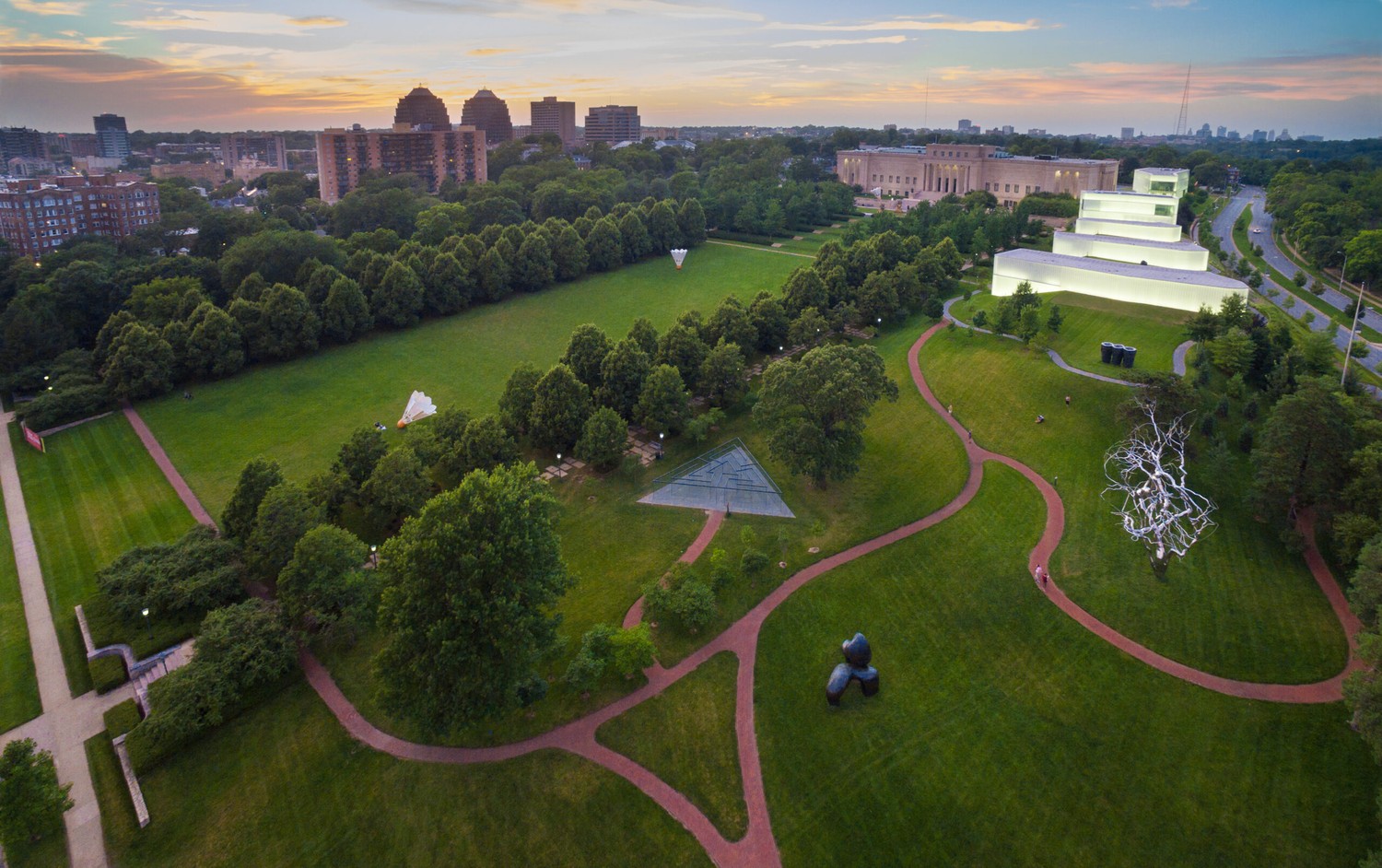
The story of the Nelson-Atkins is inextricably linked to the architectural landscape of Kansas City itself. The original building, designed by Wight and Wight in 1933, embodies the principles of Beaux-Arts architecture—a style characterized by its grand scale, symmetrical design, and meticulous attention to detail. Evoking a sense of timeless elegance, the structure’s classical proportions and stately facade immediately transport visitors to a realm of artistic reverence. The building's terraces cascading down towards Brush Creek, originally designed as a tranquil outdoor space for contemplation, now serve as a vibrant extension of the museum’s collection, hosting seasonal exhibitions and offering breathtaking views of the surrounding landscape. But the Nelson-Atkins’ narrative didn’t end there; in 2007, the arrival of the Bloch Building—a strikingly modern structure by Steven Holl Architects—significantly reshaped the museum's identity. This bold addition, a shimmering cascade of translucent “lenses,” stands in deliberate contrast to the Beaux-Arts building, creating a dynamic dialogue between past grandeur and future vision. The Bloch Building’s ethereal spaces, flooded with natural light, have earned it widespread acclaim – including recognition from *Time* magazine as one of the world's best new architectural marvels.
Collection Highlights: A Journey Through Time and Culture
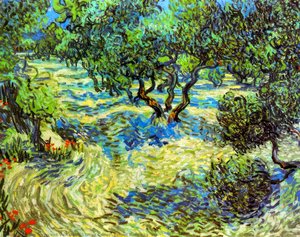
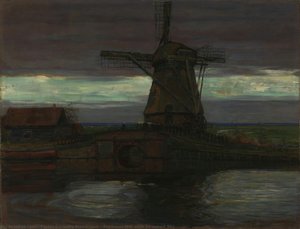
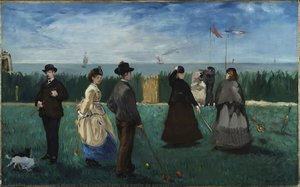
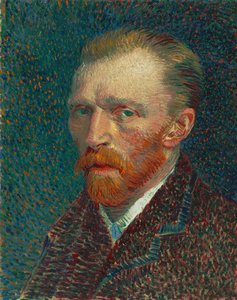
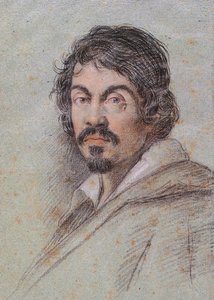
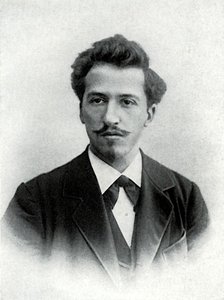
Prepare to be captivated by masterpieces spanning centuries! The Nelson-Atkins’ collection is a breathtaking tapestry woven from diverse artistic traditions. From Caravaggio’s dramatic *Saint John the Baptist in the Wilderness*, a masterpiece of Baroque intensity, capturing the saint's solitary contemplation against a stormy sky, to Piet Mondrian’s geometric *Passion Flower*, a seminal work of early 20th-century abstraction, exploring the essence of form and color through pure lines and hues, explore iconic artworks that define artistic movements and individual genius. The museum boasts an unparalleled collection of Asian art—Chinese landscapes rendered with exquisite detail, evoking serene mountains and flowing rivers; Indian sculptures embodying spiritual power, depicting deities in dynamic poses; and Japanese prints capturing fleeting moments of beauty, from cherry blossoms to geishas in elaborate kimonos. Within the European galleries, you’ll find Renaissance masterpieces alongside Impressionist delights, offering a comprehensive overview of Western art history—Botticelli's *Birth of Venus*, a symbol of classical beauty and rebirth; Monet’s *Impression, soleil levant*, capturing the ephemeral effects of light and atmosphere; and Van Gogh’s *Starry Night*, pulsating with emotion and vibrant color. Don't miss the museum's impressive holdings of American paintings, including works by Gilbert Stuart, whose portraits of George Washington are renowned for their realism; John Singer Sargent, a master of portraiture and landscape painting; and Andrew Wyeth, known for his haunting depictions of rural life in Maine.
Architectural Harmony: A Dialogue Between Past and Present
Marvel at the juxtaposition of Beaux-Arts elegance and Holl Building innovation. The Bloch Building's five translucent lenses bathe galleries in natural light, fostering contemplation and celebrating architectural brilliance—a deliberate contrast to the more enclosed spaces of the original building. The original building, a testament to classical design principles, provides a grounding counterpoint to the modern addition, creating an engaging visual conversation for visitors. Walking through the museum is akin to traversing time itself—from the grand formality of the Beaux-Arts structure to the airy, light-filled spaces of the Bloch Building, each area offers a unique sensory experience. The integration of outdoor spaces – particularly the sculpture park, featuring monumental works by artists like Henry Moore and Auguste Rodin – further enhances this sense of harmony, blurring the boundaries between interior and exterior art. The sculpture park is a tranquil oasis within the city, inviting visitors to contemplate these powerful forms in natural light.
Beyond Art: Kansas City’s Artistic Heritage
Delve into an encyclopedic collection showcasing Asian art—Chinese landscapes, Indian sculptures, Japanese prints—and European paintings from the Renaissance to Impressionism. But the Nelson-Atkins' story extends beyond its permanent holdings. The museum is deeply committed to celebrating Kansas City’s artistic heritage through engaging exhibitions and programs. Wilbur Niewald’s representation of the city’s visual arts scene provides a fascinating glimpse into the local creative landscape, while ongoing initiatives support contemporary artists and foster community engagement. The museum actively seeks to connect with its surrounding community, offering educational programs for all ages—from family workshops to lectures by renowned art historians—and creating opportunities for dialogue and appreciation. The Nelson-Atkins is more than just a museum; it’s a vibrant hub of artistic expression and community life, dedicated to inspiring curiosity and fostering a lifelong love of art.
Resources:
- Website: https://nelson-atkins.org/
- Wikipedia: https://en.wikipedia.org/wiki/Nelson-Atkins_Museum_of_Art
Additional Research:
- Museums Database: Explore art from around the world at The Nelson-Atkins Museum of Art! Discover an encyclopedic collection, stunning architecture & free admission in Kansas City.
- Wikipedia Search: The Nelson-Atkins Museum of Art is an art museum in Kansas City, Missouri, known for its encyclopedic collection of art from nearly every continent and culture, and especially for its extensive collection of Asian art.
- Internet Search: The Nelson-Atkins Museum of Art is internationally recognized for its outstanding collection of more than 33,500 objects. From ancient times to modern day, this encyclopedic museum is one of the best in the country, offering visitors the opportunity to explore civilization through the eyes of painters, sculptures, craftsmen, and many other artists.
- Wikipedia Search: Kansas City, Missouri, abbreviated KC or KCMO, is the largest city in the U.S. state of Missouri by population and area. It is located on the Missouri River at its confluence with the Kansas River, within Jackson, Clay, Platte and Cass counties.
- Wikipedia Search: The Kansas City metropolitan area is a bi-state metropolitan area anchored by Kansas City, Missouri. Its 14 counties straddle the border between the U.S. states of Missouri (9 counties) and Kansas (5 counties).