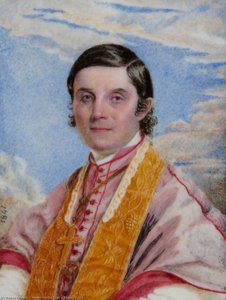
A Life of Devotion and Artistry
The story of Agnes Xavier Trail is a profound tapestry woven from the threads of spiritual vocation and exceptional creative talent. Born Ann Agnes Trail in 1798 in Panbride, Angus, her early years were marked by a unique familial legacy, as her lineage was deeply rooted in the leadership of the Scottish church. Though she was educated within the intimacy of her home, her childhood responsibilities were significant; in exchange for her instruction, she served as a teacher to her ten siblings. This early immersion in pedagogy and discipline likely laid the groundwork for the meticulous patience required by her later artistic pursuits. Before 1824, Trail had already begun to cultivate her skills as an artist, eventually embarking on a transformative journey through Europe that would forever alter the course of her life.
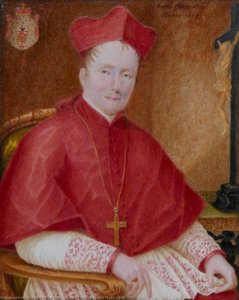
Her travels took her to the great artistic hubs of Italy, where she sought inspiration in Florence and Venice, and twice returned to the eternal beauty of Rome. It was during this period of wandering that her path converged with the Catholic Church. Following a pivotal encounter with Augustine Baines, a missionary bishop, Trail felt a calling that transcately her identity as a mere painter. In 1828, while still in Italy, she was received into the Catholic Church by Cardinal Carlo Odescalchi—a figure who would later become a subject of her artistic devotion. This spiritual transition led her to the Ursuline monastery at Chavagnes, France, where she adopted the religious name Agnes Xavier, a title that would come to represent both her faith and her artistic legacy.
The Mastery of the Miniature
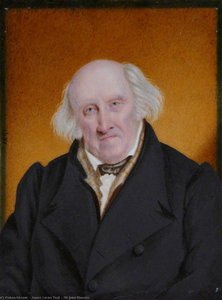
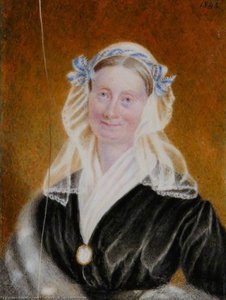
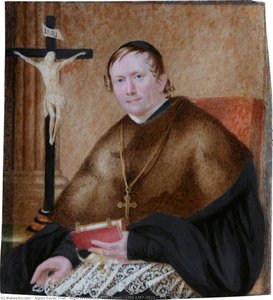
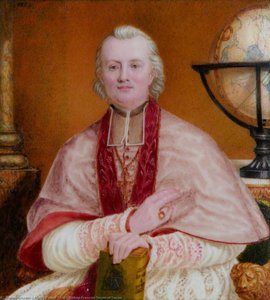
Upon returning to Scotland in 1834, Trail played a foundational role in establishing St Margaret's Convent in Edinburgh, the first Catholic convent in Scotland since the Reformation. Within the quiet, contemplative walls of the convent, her art flourished, finding a unique expression through the medium of miniature painting. This technique, characterized by its incredible precision and intimacy, allowed her to capture the subtle nuances of human emotion and the profound weight of religious symbolism. Her work often focused on portraits of prominent ecclesiastical figures and evocative biblical scenes, rendered with a delicate touch that commanded reverence.
Trail’s aesthetic was defined by a sophisticated use of color and composition, often favoring a palette of muted, soulful tones:
- Earthy Hues: The frequent use of browns, creams, and golds created an atmosphere of solemnity and timelessness.
- Intricate Detail: Her mastery lay in the ability to render fine textures, from the heavy folds of clerical vestments to the soft light hitting a subject's expression.
- Symbolic Depth: Every brushstroke served a higher purpose, embedding spiritual meaning within the very fabric of her portraits.
Legacy and Historical Significance
The significance of Agnes Xavier Trail extends far beyond the borders of her convent walls. She was not merely a nun who painted, but an educator and a pioneer who helped re-establish Catholic institutions in Scotland during a period of great religious transition. Her ability to navigate the worlds of high-society portraiture—having completed commissions for clients in London—and the cloistered life of an Ursuline nun makes her a singular figure in Victorian art history. Her portraits, such as those of Bishop Gillis and Cardinal Odescalchi, remain vital historical documents that capture the essence of the 19th-century religious landscape.
Through her miniature works, Trail bridged the gap between the earthly and the divine, using the small scale of her canvases to invite viewers into a vast, spiritual contemplation. Today, her legacy is preserved not only in the archives of the Scottish Catholic Archives but also in the enduring admiration for an artist who found her greatest inspiration at the intersection of her brush and her belief.
Küsimused ja vastused
Mis on Agnes Xavier Trail pseudonüümid või alternatiivsed nimed?
Agnes Xavier Trail tuntub ära ka nime all Ann Agnes Trail.