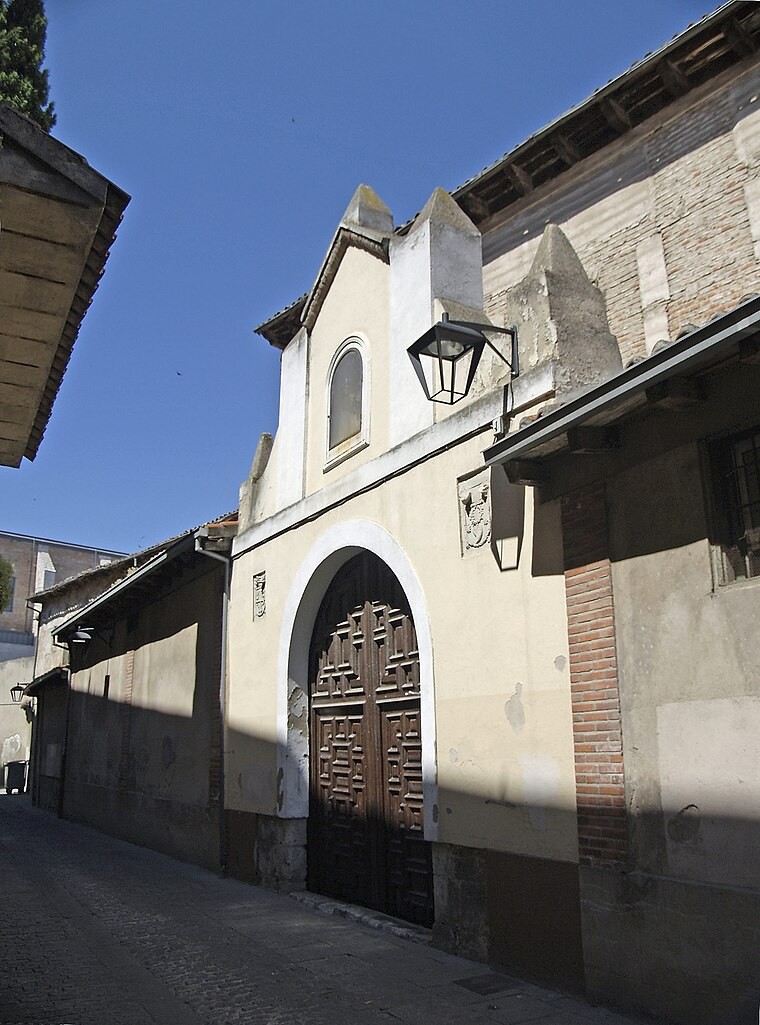
Convent of Santa Catalina

Olulisim info

  • Location: Valladolid, Spain
  • Alternate names:
    • Convent of Santa Catalina
    • Santa Catalina Convent
    • Convent of Santa Catalina in Valladolid, Spain
    • Convent of St. Francis
    • Santa Catalina
  • Featured artists: Juan de Juni
  • Works on APS: 1

A Sanctuary of Baroque Splendor

In the heart of Valladolid’s historic Old Town, where the echoes of the past linger in every cobblestone, the Convent of Santa Catalina stands as a profound testament to the enduring power of faith and artistic patronage. This sacred site, which traces its origins back to the 13th century under the noble gaze of Doña Violante, wife of King Alfonso X, offers much more than a mere architectural relic; it is a living repository of Spanish Baroque culture. To wander through its halls is to walk alongside history itself, perhaps even near the final resting place of Christopher Columbus, whose presence imbues the church with a sense of global significance and religious fervor that transcends time. The convent serves as a bridge between the medieval foundations of Spain and the dramatic, emotive heights of the Baroque era, inviting visitors into a space where every shadow tells a story of devotion.

Architectural Evolution and the Baroque Facade

The very stones of the convent tell a story of stylistic metamorphosis, reflecting the shifting aesthetic tides of Spain across the centuries. While the original Romanesque foundations have largely faded into memory, they left behind a legacy that paved the way for Gothic and Renaissance influences, eventually culminating in the dramatic grandeur of the Baroque era. The most striking testament to this period is the Arco de Santa Catalina, designed in 1697 by Pedro Calderón Herrera. This magnificent arch serves as a breathtaking introduction to the convent, its intricate façade adorned with sculptural reliefs that depict saints and biblical scenes with such vitality that they seem to breathe within the sunlight. For the discerning eye, this architectural mastery provides a perfect study in how ornamentation can elevate a structure from a place of worship to a monumental work of art, offering a sense of theatricality that is essential to the Baroque spirit.

The Masterpieces of Devotion

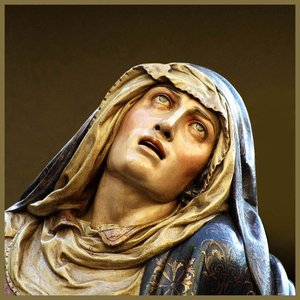
For collectors and lovers of fine art, the true heart of the convent lies within its unparalleled collection of sacred works, most notably those by the legendary sculptor Gregorio Fernández. His ability to breathe life into alabaster is nothing short of miraculous; his monumental altarpieces, featuring the Virgin Mary and Child, command the space with a spiritual weight that is both humbling and awe-inspiring. These sculptures, characterized by their emotional depth and meticulous detail, are complemented by the haunting beauty of Francisco de Zurbarán’s Entierro de Santa Catalina. In this masterpiece, Zurbarán employs the dramatic technique of tenebrismo, using stark contrasts between light and shadow to create an immersive experience of grief and piety. The way light dances across the textures of fabric and the serene faces of the figures offers a masterclass in naturalism, making the convent not just a museum, but an emotional journey through the heights of Spanish Baroque genius. To witness these works is to understand how art can serve as a window into the soul, capturing the delicate balance between human mortality and divine grace.

Kunstiviktoriin

Iga küsimuse kohta on ainult üks õige vastus.

Küsimus 1:
What is the primary religious art collection housed at the Convent of Santa Catalina?
Küsimus 2:
Who is believed to be buried within the convent’s church?
Küsimus 3:
Gregorio Fernández's sculptures are central to what aspect of the Convent of Santa Catalina’s appeal?
Küsimus 4:
The convent’s architectural style reflects influences from which periods?
Küsimus 5:
What distinguishes the Convent of Santa Catalina from other religious sites in Spain?
© 2026 mus3ums.com