


The History and Origins of Museum Het Valkhof
Museum Het Valkhof is an archaeology and art museum located in Nijmegen, Netherlands. The institution was established in 1999 through the merger of two distinct entities: the G. M. Kam museum of archaeology and the Commanderie van St. Jan museum of classical and modern art. This union brought together specialized collections to form a single institution focused on both historical artifacts and artistic expression.
The museum occupies a site of significant historical continuity. It is situated on the edge of the Valkhof park, a location that once housed a Roman army camp and a citadel built by Charlemagne. This site sits upon the former northern border of the Roman Empire, a geographic position that has shaped the development of the region for millennia. The physical presence of the museum reflects this layered history, bridging the gap between ancient settlements and modern cultural preservation.
The current museum building was designed by the Dutch architect Ben van Berkel. Its architecture is integrated into the landscape of the Kelfkensbos, where the museum continues to manage its collections of local Roman archaeological finds and modern art. The institution remains a central point for studying the intersection of human history and artistic development in the Nijmegen area.
A Diverse Collection of Art and History
The museum holds more than 40,000 objects within its care. This collection spans from the prehistory of the region to the present day. A significant portion of these holdings consists of modern art. These works are presented alongside a large and important collection of local Roman archaeological finds. These artifacts provide a physical record of the area's history on the northern border of the Roman Empire.
Archaeological remains from the Roman period are central to the museum's identity. These finds include items such as the Roman 'Loden Lady' (Lead Lady). The collection also features various works of art that reflect the changing landscape of Nijmegen. The museum's holdings include:
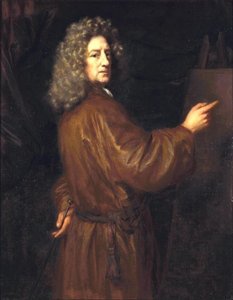
- Portrait of Sara Crucius, 1675
- Structural II, 1924
- Grey (Bark), 1973
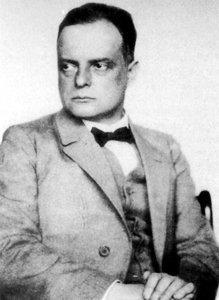
- Portrait of Michael van Everdingen Jr., 1936
The arrangement of these objects allows for a direct comparison between ancient material culture and modern artistic expression. The presence of Roman artifacts provides a foundation for understanding the site's long-standing significance. This continuity between the archaeological and the contemporary defines the museum's scope.
Exhibitions and Current Programs
The museum is currently undergoing a significant period of transformation. Due to a large-scale renovation and sustainability project, the main building at Kelfkensbos has been closed to the public since 1 October 2022. This process is expected to continue until the summer of 2026. During this interim period, the museum maintains its presence through a temporary exhibition space located at Keizer Karelplein, which opened on 1 March 2023.
The programming during this transition focuses on historical intersections and social reflection. The exhibition Bittere Oogst examines the shared history of slavery between Suriname and the Netherlands. Relatedly, the art project Draden van ons Nederlandse slavernijverleden offers a specific perspective on these historical connections. Other current installations include Offeren aan de goden in Herwen-Hemeling and the Radboud Erfgoed-ladekast. The museum also hosts the participatory art project Ernst en Luim.
- Bittere Oogst
- Offeren aan de goden in Herwen-Hemeling
- Radboud Erfgoed-ladekast
- Ernst en Luim
- Draden van ons Nederlandse slavernijverleden
The Human Experience on the Border
The exhibition The human on the border examines thousands of years of history through the lens of division and connection. It is organized into eight chapters that trace how borders arise, shift, and are eventually broken. These boundaries are not limited to the physical lines between countries or the movements of armies; the narrative extends to the social and societal lines that define human groups. It explores the friction between different worlds, ideas, and ways of life.
Complementing this historical perspective is the exhibition Van binnenuit, which focuses on the internal landscape of human emotion. This installation features work by five contemporary artists: Narges Mohammadi, Kader Attia, Mette Sterre, Nick Verstand, and FreelingWaters. Their contributions use space to investigate the fundamental emotions that exist within the individual.
The museum's location on the former northern border of the Roman Empire provides the physical context for these inquiries. By examining the Roman Limes, the collection connects ancient geopolitical shifts to modern social structures. This approach seeks to show how historical boundaries continue to influence contemporary identity.
Visiting the Museum and Its Facilities
Museum Het Valkhof attracts between 75,000 and 100,000 visitors annually. The museum is currently undergoing a significant transformation. While the main building at Kelfkensbos is closed for renovation until summer 2026, the institution maintains an active presence through a temporary location. This interim space is situated in a former bank building in the heart of Nijmegen.
The ground floor of the museum provides essential amenities for those visiting the collections. A colorful shop is located on this level. Visitors can also use the light café, which includes a terrace for outdoor seating. These facilities are designed to accommodate the steady flow of people through the museum's various programs and exhibitions.


