

About the Museum of John Paul II Collection
The Museum of John Paul II Collection, also known as the Porczyński Gallery or Carroll-Porczyński Collection, offers a unique and often debated glimpse into European art. Located in Warsaw, Poland, this museum houses an intriguing collection amassed by Zbigniew and Janina Porczyński.
History & Establishment
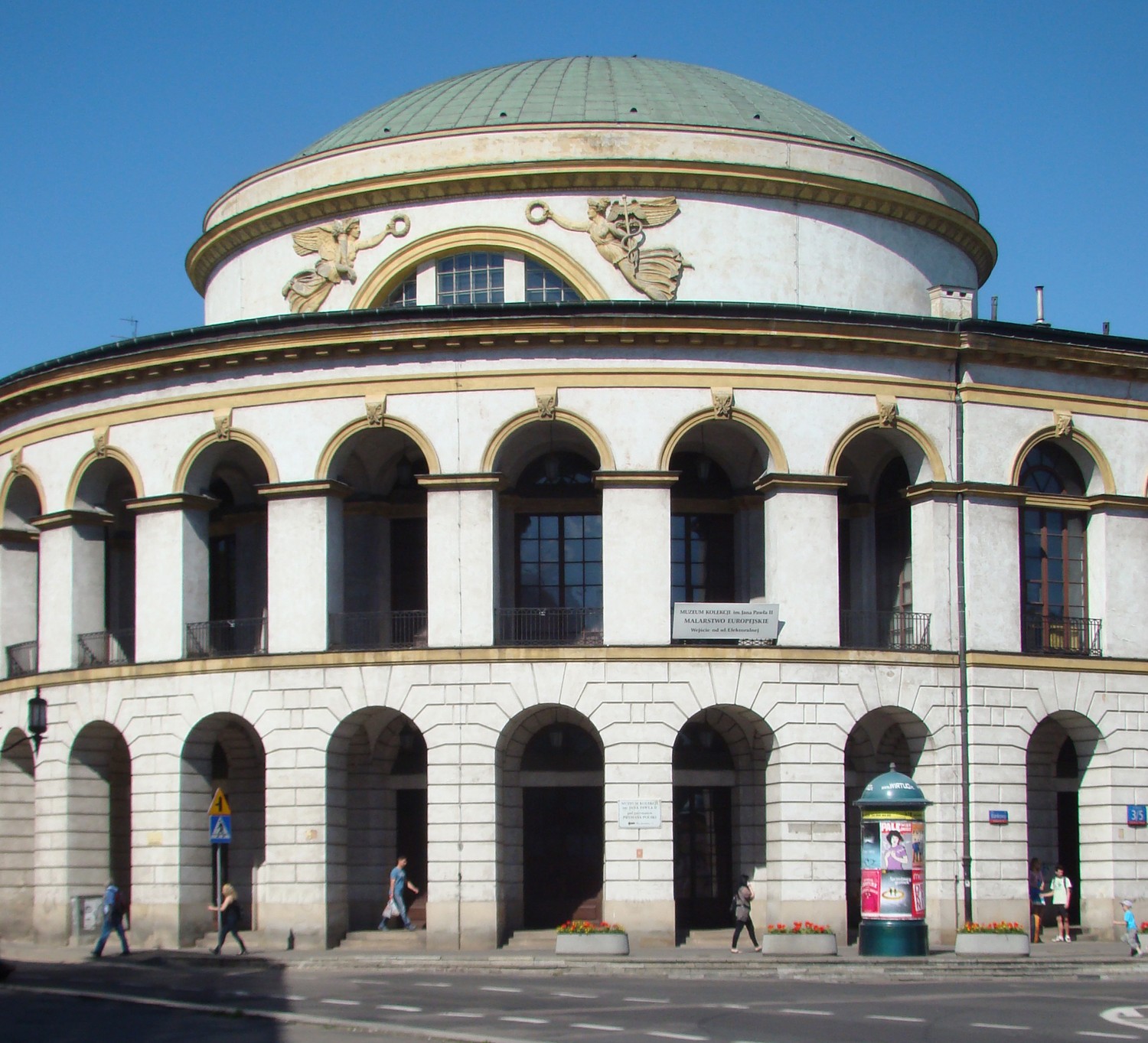
The story of the museum begins in 1981 with the Porczyńskis’ dedication to building their art collection. Initially focused on biblical themes, it expanded to include portraits and Impressionistic works. In 1986, they generously transferred approximately 400 exhibits to the Archdiocese of Warsaw and the Polish nation, establishing a foundation for its preservation. The museum itself was formally created in 1989, finding a permanent home in a historic building – the former stock exchange rebuilt after World War II.
Architecture & Setting
The museum is housed within an impressive structure designed by Antonio Corazzi in 1825. This building, once the heart of Warsaw’s financial district, provides a grand and historically significant backdrop for the art collection. Its reconstruction after the devastation of WWII stands as a testament to Poland's resilience.
Collection Highlights
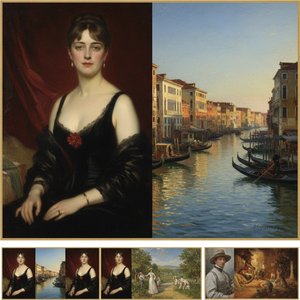
- European Paintings: The core of the museum’s holdings comprises over 400 European paintings, spanning various periods and styles.
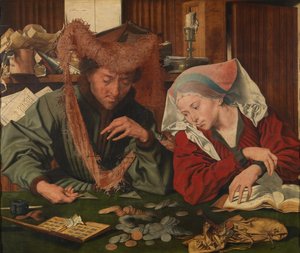
- Impressionism & Old Masters: Visitors can explore works reminiscent of Impressionist masters alongside pieces attributed to earlier Old Master painters.
- Thematic Arrangement: The collection is thoughtfully arranged into eight thematic rooms, including sections dedicated to mythology, portraits, mothers and children, biblical scenes, still lifes, landscapes, and a prominent display for Wojciech Gerson’s monumental painting, Baptism of Lithuania (1889).
- Sculptural Elements: Beyond paintings, the museum features bronze casts by Julien Dillens and Auguste Rodin, as well as a sculpture by Salvador Dalí.
What Makes it Unique?
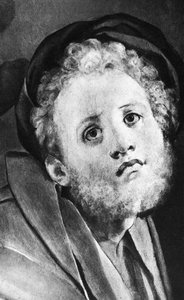
The Museum of John Paul II Collection is distinguished not only by its diverse collection but also by the controversies surrounding the authenticity of some of its key pieces. Art historians have raised questions about several works, including a painting attributed to Alfred Sisley, which has been identified as a forgery by Tom Keating. This adds an intriguing layer to the visitor experience – prompting reflection on art history, attribution, and the complexities of collecting.
Notable Aspects
- Controversial Authenticity: The ongoing debate about the genuineness of certain artworks makes this museum a fascinating case study for art enthusiasts and scholars.
- Diverse Representation: The collection showcases works from artists across Europe, including British, Dutch, French, German, Italian, Spanish, and Swiss masters.
- Cultural Significance: The museum’s history is intertwined with the cultural landscape of Poland and its post-war recovery.
A visit to the Museum of John Paul II Collection offers a compelling blend of artistic appreciation, historical context, and intellectual curiosity. It's a destination that encourages visitors to look beyond the surface and engage critically with the world of art.