


A Glimpse into Naples’ Baroque Soul
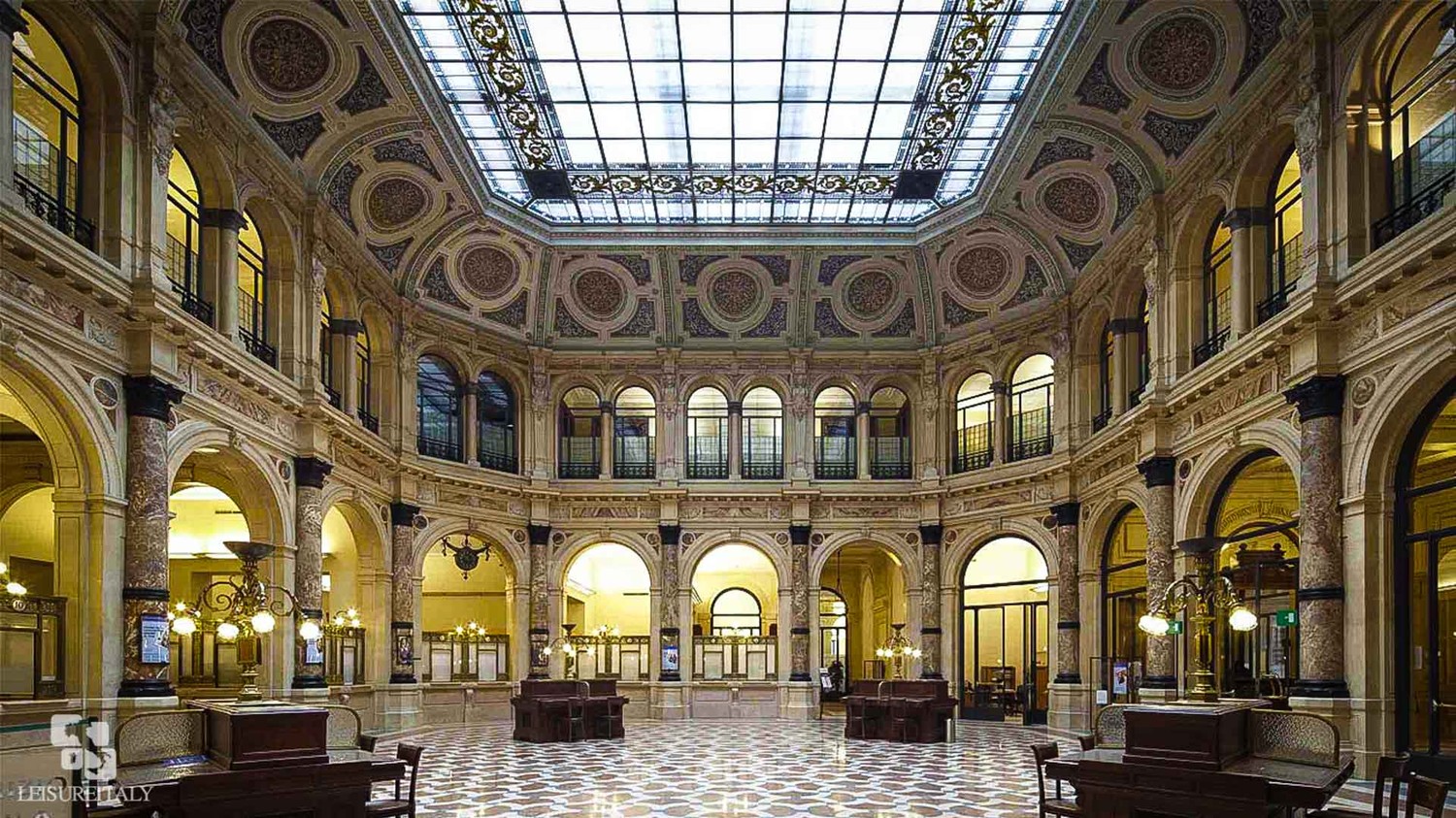
Nestled within the vibrant heart of Naples, Palazzo Zevallos Stigliano isn't merely a museum; it’s a meticulously preserved time capsule, a whispered narrative of Neapolitan art and aristocratic life. Stepping through its grand entrance is akin to entering a stage set for a lavish drama – a testament to centuries of shifting fortunes, artistic patronage, and the enduring spirit of Southern Italy. The palace's façade, a harmonious blend of Baroque grandeur and subtle historical echoes, immediately captivates, hinting at the treasures concealed within. Its evolution—from a noble residence reflecting the ambitions of its early patrons to a public institution dedicated to preserving its legacy – is itself a compelling story woven into the very fabric of the building.
Commissioned in 1637 by Giovanni Zevallos, Duke of Ostuni, the palace’s construction unfolded under the masterful hand of Cosimo Fanzago. The initial design established a foundation for what would become a remarkable architectural statement. However, it was Jan van den Eynde's subsequent acquisition and extensive renovations in 1653 that truly shaped the palazzo into the opulent space we see today. Van den Eynde, a wealthy Flemish merchant with an insatiable appetite for art, transformed the palace into a veritable gallery, amassing a collection of masterpieces from across Europe – a reflection of his own wealth and refined taste. The subsequent additions and alterations throughout the centuries—including Giuseppe Cammarano’s frescoes and Luigi Platania's adaptation to a bank—speak volumes about Naples’ dynamic history and its ability to absorb and reinterpret artistic influences.
Caravaggio’s Final Masterpiece: The Martyrdom of Saint Ursula
At the heart of Palazzo Zevallos Stigliano lies arguably its most celebrated treasure: Caravaggio's “Martyrdom of Saint Ursula.” This painting, believed to be the artist’s final work, is a profoundly moving and intensely dramatic scene. The composition—a stark contrast between the serene figure of the saint and the brutal violence surrounding her—is executed with Caravaggio’s signature tenebrism: pools of light illuminating key figures against a backdrop of deep shadow. The painting's power resides not just in its technical brilliance but also in its palpable sense of sorrow, loss, and the enduring strength of faith. It is a deeply personal work, offering a rare glimpse into Caravaggio’s evolving style and emotional depth.
A Symphony of Styles: Baroque Splendor and Beyond
Beyond Caravaggio's masterpiece, the museum boasts an impressive collection spanning from the 17th to the early 20th centuries. The palazzo’s specialization lies in Neapolitan painting, offering a rich representation of local artistic traditions. Visitors will encounter a diverse range of styles and techniques – from the dramatic Baroque paintings by artists like Bernardo Cavallino and Francesco Guarini, showcasing the era's opulent theatricality, to the serene landscapes by Hendrick de Somer and Giuseppe Fabozzi, capturing the beauty of the Campania region. Still life canvases by Paolo Porpora and Giovan Battista Ruoppolo reveal a meticulous attention to detail and an appreciation for the natural world. The collection also includes works by lesser-known but equally talented artists like Gaspare Traversi and Anton Sminck Pitloo, providing a comprehensive overview of Neapolitan artistic production.
More Than Just Art: A Palace’s Enduring Legacy
Palazzo Zevallos Stigliano's significance extends beyond its remarkable art collection. It stands as a unique cultural institution—a noble residence reborn as a public museum, deeply intertwined with the history of Naples and the broader Italian artistic landscape. Its connection to Intesa Sanpaolo, through its association with other museums in Milan and Vicenza, underscores its importance within Italy’s cultural heritage. A visit here is not simply an art appreciation experience; it's a journey through time, offering insights into the lives of the noble families who once called this palace home, the artistic movements that shaped Neapolitan culture, and the enduring legacy of Naples as a center of creativity and innovation. The palazzo itself—with its monumental staircase, lavish frescoes, and meticulously restored interiors—is a work of art in its own right, inviting visitors to lose themselves in its beauty and historical significance.