
A Jewel of Budapest: Unveiling the Szépművészeti Múzeum
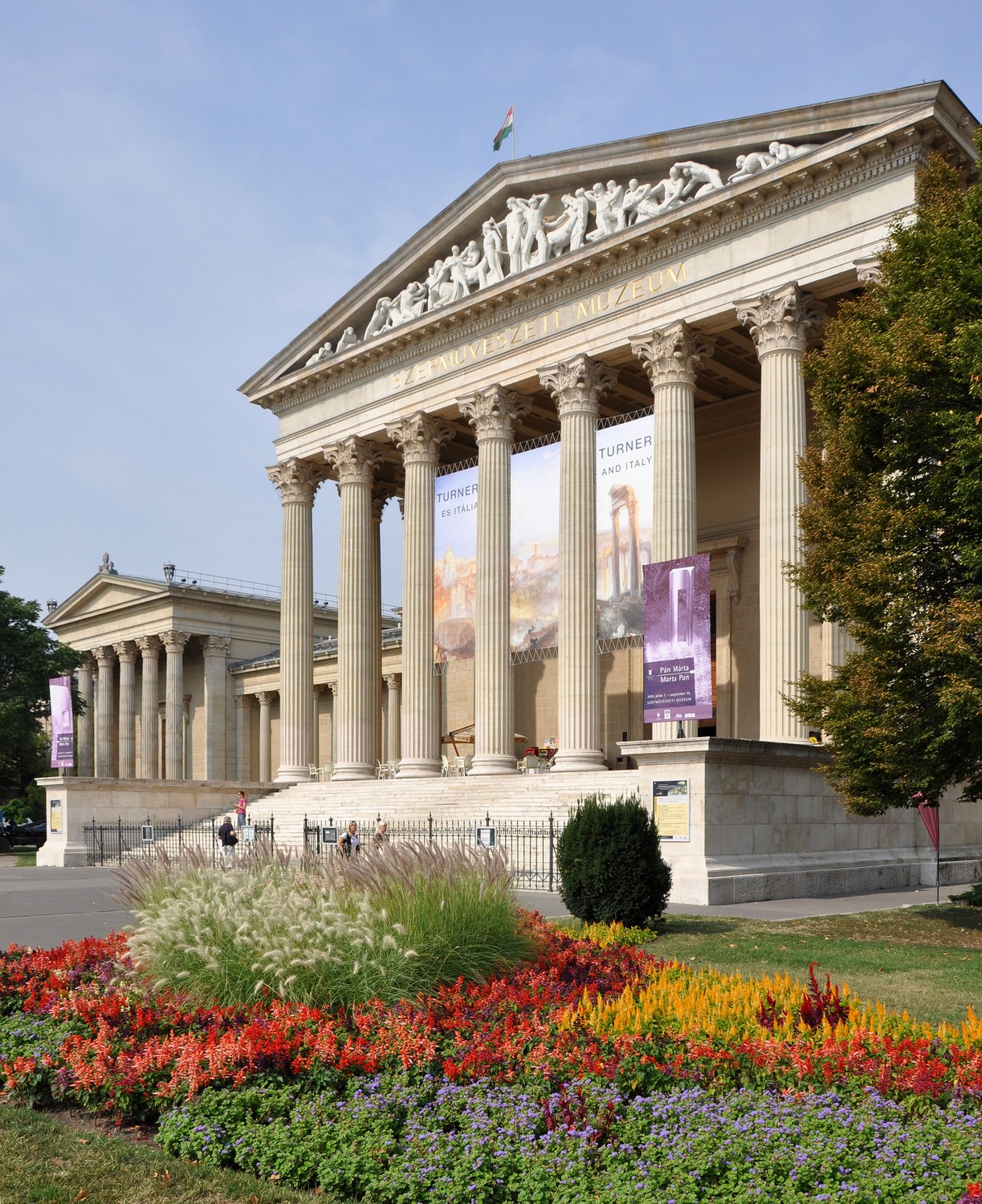
Budapest’s Szépművészeti Múzeum – or Museum of Fine Arts – stands as a testament to Hungarian artistic ambition and European cultural exchange. Located within the magnificent Heroes’ Square, this neoclassical palace isn't merely a collection of artworks; it’s a carefully crafted narrative spanning millennia.
Completed in 1906 by Albert Schickedanz and Fülöp Herzog, the museum immediately captivates visitors with its sheer scale. Stepping inside feels like entering a realm of opulent grandeur – a deliberate echo of Austro-Hungarian imperial splendor. The building itself is an architectural marvel, designed to celebrate historical progression through Romanesque arches, Renaissance halls adorned with vibrant mosaics, and Baroque rooms transporting you back to an era of aristocratic elegance.
A Collection Spanning Millennia
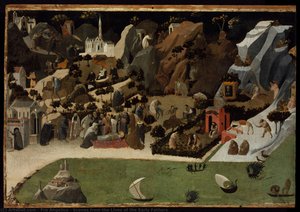
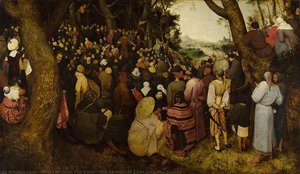
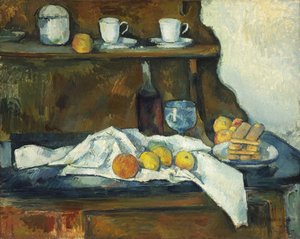
The Szépművészeti Múzeum boasts a breathtaking assemblage of artistic treasures. From ancient Egyptian sarcophagi brimming with hieroglyphs to sculptures from antiquity and masterpieces from the 19th and 20th centuries, there’s something here to inspire every connoisseur.
Early highlights include “Budapest Dancer,” a marble figure embodying classical ideals – a poignant reminder of the museum's dedication to showcasing the pinnacle of human creativity. Egyptian artifacts offer glimpses into ancient beliefs and rituals, while Roman sculptures provide insight into imperial artistic sensibilities. The museum’s holdings extend through the Renaissance, Baroque, and Neoclassical periods, culminating in significant works by Hungarian masters like Ferenc Salgó.
Architectural Significance: A Symphony of Styles
The museum's façade exemplifies eclectic neoclassicism—a deliberate fusion of styles designed to inspire awe. Its interior spaces are equally remarkable, featuring Romanesque arches and Renaissance halls embellished with colorful mosaics – a carefully orchestrated composition reflecting the museum’s diverse collection.
Notable Exhibitions and Contemporary Appeal
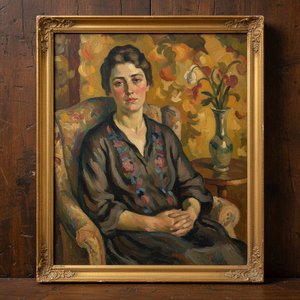
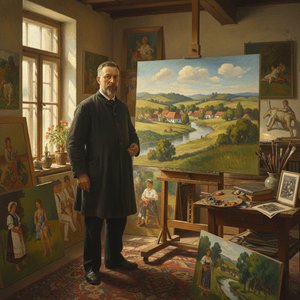
The Szépművészeti Múzeum actively engages with contemporary artistic trends through rotating exhibitions showcasing works by internationally acclaimed artists like Gustav Klimt, Egon Schiele, and Alfred Gaudier-Brzeska. Currently, the museum hosts a captivating exhibition exploring Ferenc Salgó’s unique artistic vision.
More than just its impressive collection and architectural grandeur, what truly distinguishes the Szépművészeti Múzeum is its unwavering commitment to community engagement – guided tours, educational workshops, and events fostering appreciation for art within Budapest and beyond.