
A Glimpse into Noble History: Exploring the Kunstsammlungen Graf von Schönborn
Nestled within the imposing walls of Schloss Weissenstein in Poppenhausen, Germany, lies a treasure trove rarely found – a privately-held museum brimming with centuries of artistic legacy. The Kunstsammlungen Graf von Schönborn isn’t merely a collection of paintings; it's a tangible window into the lives and tastes of one of Bavaria’s most influential noble families, offering an intimate and profoundly rewarding experience for art enthusiasts and history buffs alike. This remarkable museum, born from generations of discerning patronage, presents a remarkably comprehensive survey of Old Master painting and Baroque artistry, all housed within a breathtaking architectural setting.
The Schönborn family's dedication to the arts began in the 18th century with Prince-Bishop Lothar Franz Graf von Schönborn. Recognizing the power of art to reflect status and cultivate intellectual pursuits, he initiated a systematic collection that would evolve into one of Europe’s most significant private holdings. This wasn’t simply about acquiring beautiful objects; it was a deliberate act of cultural preservation, ensuring that artistic excellence would endure through time. The museum stands as a testament to this commitment, meticulously assembling a diverse range of works spanning several centuries and reflecting the family's deep appreciation for both Italian, Dutch, and German artistic traditions.
A Baroque Masterpiece: Highlights of the Collection
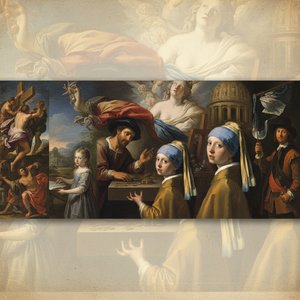
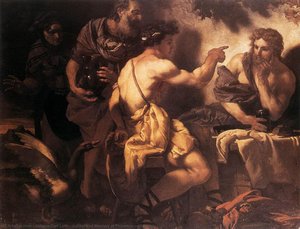
The heart of the Kunstsammlungen Graf von Schönborn’s collection resides in its extraordinary assemblage of Old Masters. Visitors will immediately be drawn to works by renowned figures such as Breughel, whose vibrant depictions of everyday life offer a captivating glimpse into 16th-century Flemish society; Rubens, with his dynamic compositions and masterful use of color; and van Dyck, the court painter who defined the elegance of the Elizabethan era. Beyond these titans, the collection boasts an impressive array of lesser-known but equally significant artists, showcasing a remarkable breadth of stylistic influences and technical skill.
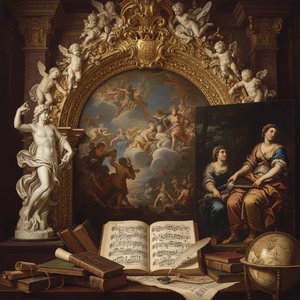
The Baroque period receives particular emphasis within the museum’s holdings. The dramatic lighting, opulent textures, and emotionally charged narratives characteristic of this era are vividly represented through numerous paintings depicting religious scenes, portraits of prominent figures, and allegorical compositions. Notable examples include works by Tizian, whose rich color palettes and masterful rendering of human form continue to inspire admiration, alongside a wealth of other significant artists from the period. The sheer depth and variety within these collections provide an unparalleled opportunity to trace the evolution of artistic styles and techniques over time.
Schloss Weissenstein: An Architectural Setting for Artistic Treasures
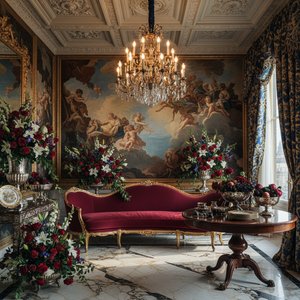
The Kunstsammlungen Graf von Schönborn is inextricably linked to Schloss Weissenstein, a magnificent Franconian Baroque palace that serves as both its home and a stunning backdrop for the art within. While detailed architectural plans are not readily available, the castle’s imposing presence immediately establishes an atmosphere of grandeur and historical significance. The building's design reflects the prevailing aesthetic sensibilities of the 18th century, incorporating elements of symmetry, ornamentation, and classical influences.
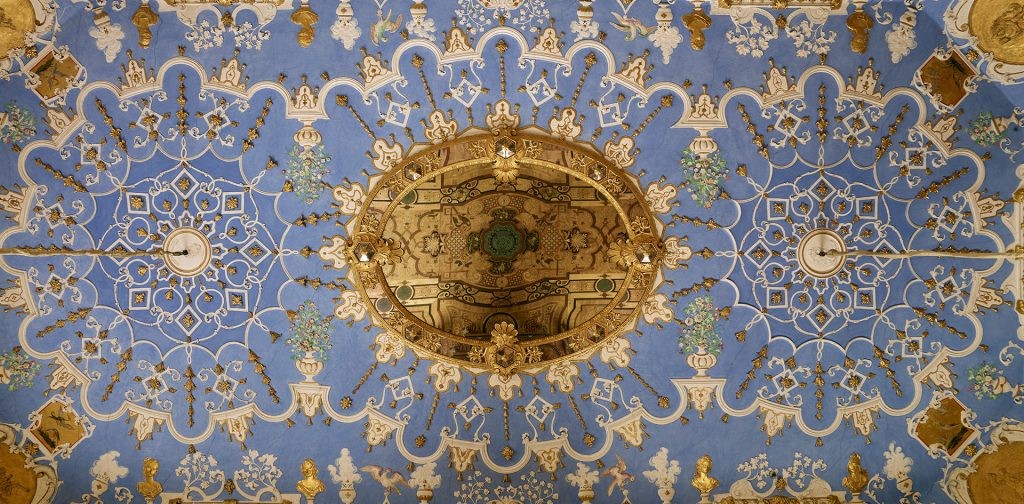
A particularly noteworthy feature is the ‘rock room,’ or Felsenkammer – a unique space within the castle adorned with natural rock formations, shells, and crystals. This remarkable chamber reflects the Schönborn family’s fascination with nature and their appreciation for its beauty. The integration of this natural element into the architectural design further enhances the museum's immersive experience, creating a harmonious blend of art and environment.
A Private Collection, A Unique Perspective
What truly distinguishes the Kunstsammlungen Graf von Schönborn from many public museums is its status as a largely private endeavor. This unique arrangement allows for a more intimate and personal approach to art appreciation, free from the constraints of institutional mandates. The collection’s breadth – encompassing diverse artists and styles within the Old Master period – is exceptional for a privately held museum, offering visitors an unparalleled opportunity to explore a vast range of artistic expressions.
A visit to Schloss Weissenstein isn't simply a viewing of paintings; it’s stepping into a world of aristocratic history, artistic passion, and cultural heritage. The intimate setting within the castle walls fosters a connection with the art that is rarely found in larger, more impersonal museums. The Kunstsammlungen Graf von Schönborn offers an unforgettable experience for art lovers seeking to immerse themselves in the beauty and legacy of Old Master painting.