
The Oratorio dei Crociferi
Located in a marshy area of Venice near Campo dei Gesuiti, the Oratorio dei Crociferi is an integral part of the Ospizio Zen. This structure, which includes a central corridor and seven rooms with small kitchens, reflects its historical function as a place of refuge. The building was originally established as a hospital and a church dedicated to the Virgin Assunta. Following a fire in 1214, the church was rebuilt in a larger form. The site has undergone significant changes, including a period of closure due to flood damage in 1966, before reopening to the public in October 1984.
The history of the site is tied to the religious order of the Crociferi, who utilized the area for the reclamation of land. They provided hospitality to merchants, soldiers, and pilgrims traveling toward the Holy Land. In 1268, Doge Renier Zen bequeathed much of his property to the order, ensuring the continued support of the infirm through the revenues of his estates.
The Artistic Cycle of Palma il Giovane
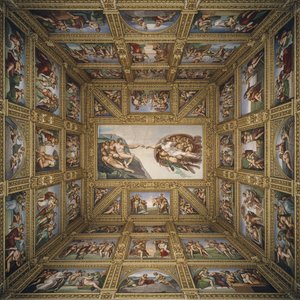
The interior of the Oratorio is defined by a significant cycle of paintings executed by Palma il Giovane between 1583 and 1592. This work was commissioned primarily by Doge Pasquale Cicogna and covers the walls of the Oratorio as well as the ceiling of the small hall. The paintings depict essential events from the history of the Crociferi, providing a visual record of the order's activities and significance. The collection held within the Oratorio includes:
- Pasquale Cicogna Hearing Mass Celebrated In The Oratory Of The Crociferi - Palma il Giovane
- Pasquale Cicogna In Dogal Robes Visiting The Church And Hospital Of The Crociferi - Palma il Giovane
- Pasquale Cicogna In The Church Of The Crociferi Receives News Of His Election To The Dogeship - Palma il Giovane
Architectural and Historical Context
The architecture of the Oratorio reflects its dual purpose as a place of worship and a site for social assistance. The layout of the rooms and the central corridor speaks to the practical needs of the hospital and the pilgrims it once housed. While the original church of Santa Maria Assunta dei Crociferi was destroyed during the suppression of the order, the remaining structures preserve the memory of the site's religious and social functions. The presence of the paintings by Palma il Giovane ensures that the specific history of the Crociferi remains visible within the Venetian urban fabric.