
San Sigismondo: A Renaissance Jewel of Cremona
Nestled just outside the historic heart of Cremona, Italy, lies San Sigismondo – a remarkably preserved monastery that offers an intimate and profoundly moving journey into the artistic and religious landscape of 15th-century Lombardy. More than simply a museum, it’s a tangible link to a pivotal moment in Italian history: the union between the powerful Visconti and Sforza families, symbolized by its very foundation. This architectural marvel, a testament to both military engineering and devout faith, invites visitors to step back in time and experience the grandeur of the Renaissance firsthand.
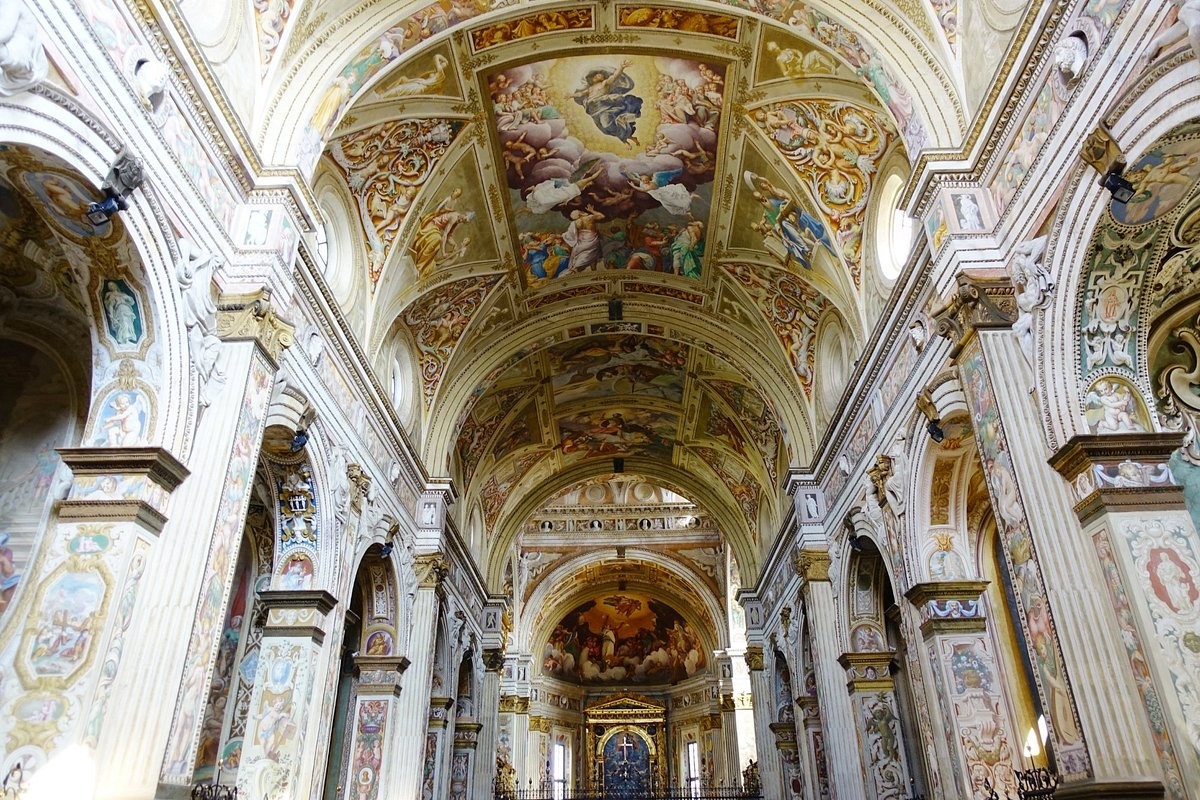
The monastery’s origins trace back to 1463, commissioned by Francesco Sforza, Duke of Milan, as a grand celebration of his marriage to Bianca Maria Visconti. Designed by Bartolomeo Gadio, a renowned military engineer in the service of Ludovico il Moro, the building seamlessly blends elements of Gothic and Renaissance styles. The façade, divided into two stories with Doric columns and a rose window, immediately establishes a sense of imposing beauty. Inside, the layout follows a classic Latin Cross plan, culminating in a richly decorated high altar that speaks to the importance of this historical event. The meticulous attention to detail – from the sculpted Corinthian capitals to the delicate tracery of the windows – reveals the skill and ambition of its creators.
A Symphony of Frescoes: Masterpieces by Campi and Boccaccino
San Sigismondo’s true treasures reside within its walls, primarily in the breathtaking cycle of frescoes that adorn the main chapel. These vibrant works, executed between 1520 and 1530, are considered among the finest examples of Lombard Renaissance painting. The most celebrated artists involved were Giulio Campi, a prominent figure in Cremona’s artistic scene, and his son, Camillo Boccaccino. Campi's frescoes depict scenes from the life of Christ and the Virgin Mary with remarkable dynamism and emotional intensity – particularly the dramatic “Adulteress,” a powerful portrayal of human fallibility and divine judgment. Boccaccino’s contributions are equally captivating, showcasing his mastery of color and composition in works such as "Resurrection of Lazarus," which demonstrates an impressive understanding of perspective and light.
Beyond these iconic pieces, the chapel is filled with a multitude of smaller scenes, each meticulously rendered and brimming with detail. The frescoes offer a fascinating glimpse into the artistic conventions of the time – the use of rich pigments, the emphasis on narrative clarity, and the skillful depiction of human anatomy. The overall effect is one of overwhelming beauty and spiritual resonance, transporting viewers to a world where art served as both a devotional tool and a reflection of humanist ideals.
Beyond the Frescoes: Religious Art and Lombard Heritage
While the frescoes are undoubtedly the star attraction, San Sigismondo’s collection extends far beyond this single chapel. The museum houses a diverse array of religious artworks, including sculptures, altarpieces, and devotional panels, reflecting the spiritual life of the monastic community throughout the centuries. These pieces offer further insights into the artistic traditions of Lombardy during the Renaissance period.
Furthermore, San Sigismondo provides a valuable window into the broader history of the region. Artifacts within the museum’s collection – from liturgical vestments to household objects – illuminate the daily lives and customs of the monks who resided here. The building itself stands as a testament to Lombardy's rich architectural heritage, showcasing the evolution of design styles over several centuries. The presence of elements reflecting both medieval and Renaissance influences underscores the region’s complex and layered past.
A Unique Experience: Intimacy and Artistic Immersion
What truly distinguishes San Sigismondo is its intimate scale and carefully preserved atmosphere. Unlike grand, sprawling museums, this monastery offers a sense of quiet contemplation and personal connection with the art it houses. The relatively small size of the building allows visitors to fully appreciate the details of the frescoes and sculptures, fostering a deeper understanding of their artistic merit. The combination of historical architecture and artistic masterpieces creates an immersive experience that is both intellectually stimulating and emotionally rewarding.
San Sigismondo isn’t merely a museum; it's a portal to another era – a place where the echoes of history, faith, and artistic genius resonate through the centuries. A visit here promises not just a sightseeing excursion but a profound encounter with one of Italy’s most hidden gems.