The Face of the Divine: The Spiritual Essence of Mask Artistry
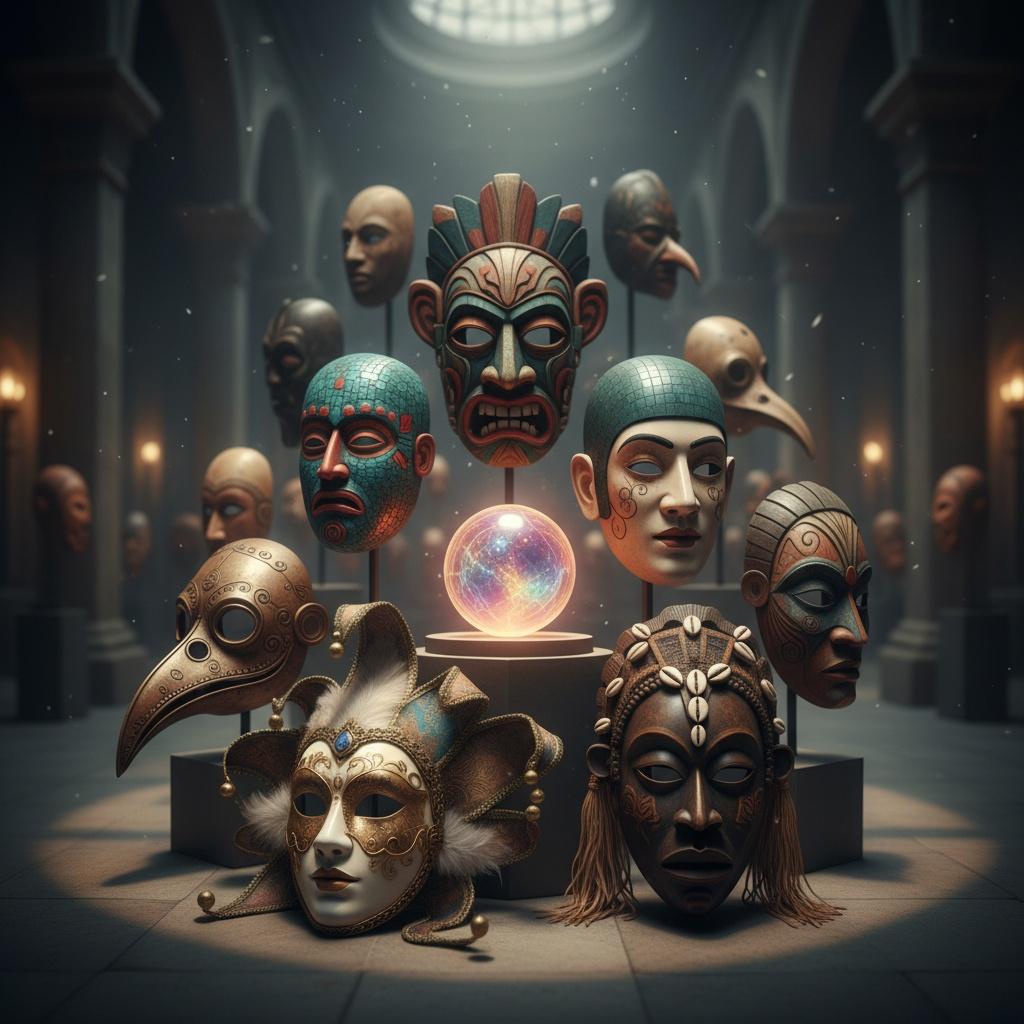
To gaze upon a mask is not merely to observe a piece of sculpted ornament, but to encounter a threshold between the seen and the unseen. Throughout human history, the mask has served as a profound vessel for the divine, a transformative tool that allows the wearer to transcend their mortal identity and inhabit the realm of spirits, deities, and ancestors. In many cultures, the creation of a mask is a sacred ritual in itself, an act of devotion where the artist breathes life into inanimate matter. These objects are rarely intended for static display; rather, they are designed for the kinetic energy of dance, the rhythmic pulse of drums, and the transformative power of performance. When the mask is donned, the boundary between the human performer and the supernatural entity dissolves, creating a moment of pure, spiritual presence that resonates through generations.
This spiritual metamorphosis relies heavily on the concept of the persona—the Latin root for mask—which suggests a character or role being assumed. In the context of sacred art, this is not mere theater but a profound ontological shift. The eyes of the mask, often fixed in an eternal, unblinking stare, demand a reciprocal gaze from the observer, pulling the viewer into a shared space of reverence. To understand these works, one must look beyond the physical surface and contemplate the intention behind the craftsmanship, recognizing that each carving or molding is a prayer rendered in tangible form.
Echoes of Tradition: Exploring the Chhau and Gomira Dance Heritages
The heartbeat of tradition can be heard most vibrantly in the rhythmic movements of India’s tribal dance heritages. In the regions of West Bengal, specifically within the vibrant communities of Kushmandi and Dakshin Dinajpur, the art of mask-making is inextricably linked to the Gomira dance traditions. Here, the masks, known as mukha, are not merely accessories but the very soul of the ritual. These wooden masterpieces are crafted by dedicated artisans who carry the weight of their cultural heritage in every stroke of the chisel. The Gomira dance serves as a communal bridge to the ancestral world, and the masks act as the essential medium through and through which these ancient stories are told.
Similarly, the Chhau dance presents a breathtaking display of color and movement, particularly evident in the intricate clay art found in villages around Kushmandi. The Chhau masks, often created by skilled hands such as those of Rajib, Sanjib, and Partho Dutt, reflect a profound tribal heritage. These vibrant, multi-colored works are far more than decorative; they represent a living history of the Indian subcontinent. To witness a Chhau performance is to see these masks come alive, their exaggerated features and bold pigments dancing in harmony with the acrobatic prowess of the performers, ensuring that the cultural lineage remains unbroken despite the encroaching tides of modernity.
Materiality and Metamorphosis: From Sacred Wood to Intricate Clay
The physical substance of a mask dictates its character and its capacity for storytelling. The choice of medium is never arbitrary; it is a deliberate engagement with the earth itself. In many traditions, wood is chosen for its organic connection to the living forest, representing growth, strength, and the cycle of life. The process of carving wood requires an intimate knowledge of grain and density, as seen in the delicate work of West Bengal’s master makers. Each layer of sanding and every application of pigment adds a new dimension to the mask's narrative, turning a simple branch into a complex deity.
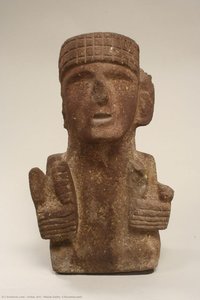
Conversely, the use of clay and stone offers a different kind of permanence and weight. The Chhau masks of India demonstrate how vibrant clay can be molded into intricate, expressive forms that capture the essence of tribal legends. In other corners of the world, as seen in the captivating works of Akino Fuku, we find the striking contrast of Japanese stone masks or watercolor depictions of Korean traditions. Whether it is the tactile, heavy presence of a stone carving or the fluid, ethereal beauty of a pencil and watercolor rendering of an aged mask, the materiality serves to ground the spiritual concept in a physical reality. This metamorphosis—from raw earth and timber to a finished icon—is the ultimate alchemy of the artist.
Aesthetic Archetypes: Decoding Symbolism in Global Tribal Masks
Decoding the visual language of masks requires an eye for symbolism, where every curve, color, and protrusion carries a specific meaning. The aesthetic archetypes found in global mask art are a complex tapestry of iconography. A protruding brow might signify wisdom or ferocity; elongated features may represent the stretching of time or the connection to the celestial realms; and certain color palettes are often strictly dictated by ritualistic laws—red for vitality and blood, white for purity or death, and black for the mysteries of the night.
In the Series of Old Masks, one can observe how these aesthetic choices create a sense of aged beauty and expressive power. The use of tribal aesthetics in stone carvings or the weathered textures in watercolor depictions of Korean masks all point toward a universal language of symbolism. These masks function as visual shorthand for complex mythologies. By studying the symmetry, the exaggerated proportions, and the intentional distortions of the human face, we begin to understand how ancient artists used abstraction to communicate truths that are too profound for literal representation. The mask does not hide the truth; it reveals a deeper, more symbolic reality.
Preserving the Ancestral Gaze: The Modern Collector's Role in Cultural Continuity
In our contemporary era, the preservation of these magnificent traditions faces unprecedented challenges. As global landscapes shift, the artisans who hold the secrets of Gomira or Chhau mask-making find themselves at a crossroads between tradition and survival. For the modern art enthusiast and collector, the acquisition of such works is more than an act of aesthetic appreciation; it is an act of cultural stewardship. By valuing and supporting these authentic lineages, collectors help ensure that the tools of spiritual transformation do not fade into the obscurity of history.
The role of the connoisseur has evolved from a mere observer to a vital participant in the continuity of human creativity. Whether through the appreciation of museum-grade reproductions or the support of living artisans, the engagement with mask art keeps the ancestral gaze alive. It is a responsibility to honor the craftsmanship and the profound spiritual legacies these objects represent. In doing so, we ensure that the transformative power of the mask—the ability to bridge the gap between the human and the divine—remains a vibrant, breathing part of our global cultural tapestry.
About Mus3ums.com
Mus3ums.com is a premier global destination for art enthusiasts, specializing in high-quality hand-painted reproductions, custom oil masterpieces, and expert art consultation. From preserving the legacy of the Old Masters to transforming personal memories into museum-grade fine art, we bridge the gap between history and modern living. Our platform offers everything from exquisite Giclée prints to bespoke large-scale murals, all backed by a commitment to academic excellence and a 100% satisfaction guarantee.