Le Musée de Salisbury

Informations clés

  • Featured artists:
    • caroline hall
    • nicolaes van verendael
    • henry pickering
    • Nicolaes Pietersz Berchem
    • giovanni battista cimaroli
  • Location: Salisbury, United Kingdom
  • Works on APS: 17
  • Alternate names:
    • Le musée Salisbury et du sud du Wiltshire
    • Musée Salisbury
    • Le Musée Salisbury
    • Salisbury Cathedral
    • The Salisbury and South Wiltshire Museum

Quiz d'art

Chaque question ne comporte qu'une seule réponse correcte.

Question 1:
Quel est le musée connu pour présenter principalement des artefacts de Stonehenge ?
Question 2:
Où est situé le Musée de Salisbury ?
Question 3:
Quelle caractéristique architecturale distingue King’s House, le bâtiment du musée ?
Question 4:
Quel artiste est célèbre pour ses peintures représentant Salisbury Cathedral ?
Question 5:
Quelle découverte remarquable abrite le Musée de Salisbury ?

A Sanctuary of Time: Exploring The Salisbury Museum

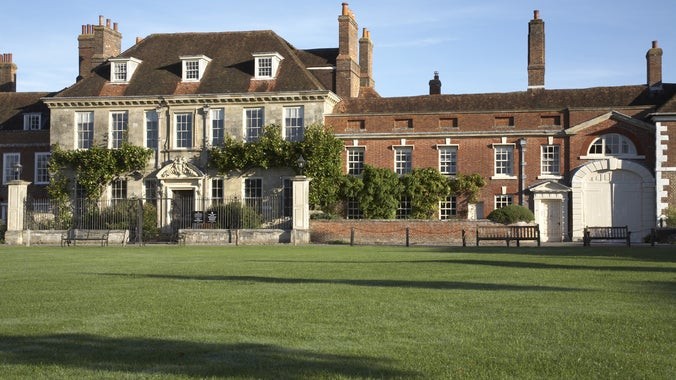
Nestled within the historic heart of Salisbury, Wiltshire, The Salisbury Museum stands as a captivating testament to the region’s rich tapestry of history, archaeology, and artistic expression. Housed in the magnificent King’s House – a Grade I listed building that once welcomed King James I in 1610 and 1613 – the museum offers visitors an immersive journey through time, seamlessly blending architectural grandeur with compelling collections. The very stones of this remarkable structure whisper tales of centuries past, setting the stage for an exploration of Wiltshire’s enduring legacy. Originally founded in 1860 by Dr Richard Fowler, FRS, the museum has evolved from humble beginnings at 40-42 St Ann Street to its current prominent location within the Cathedral Close, a position that beautifully complements the iconic Salisbury Cathedral and enhances the overall visitor experience. Stone Guardians of Wiltshire’s Past: Stonehenge Revisited The museum's centerpiece is undoubtedly its unparalleled collection relating to Stonehenge, offering visitors an unforgettable encounter with this enigmatic prehistoric monument. More than simply admiring the stones themselves—massive megaliths transported from distant quarries—the Salisbury Museum delves into their significance through a wealth of artifacts unearthed from the surrounding landscape. Researchers meticulously analyze pollen grains and soil samples to reconstruct the environment inhabited by Neolithic builders, illuminating rituals and beliefs that continue to fascinate scholars today. Detailed reconstructions illustrate how Stonehenge functioned as a ceremonial space, aligning with astronomical events like solstices and equinoxes—a testament to the sophistication of prehistoric societies. The museum’s curators have painstakingly documented every aspect of Stonehenge's history, from its initial construction to its later veneration by Druids and Saxons, presenting visitors with a holistic understanding of this monumental achievement.
  • Excavation Findings: Tools and Ritual Objects
  • Astronomical Alignments: Decoding Stonehenge’s Mysteries
  • Reconstructions: Bringing Stonehenge to Life
Beyond the Stones: Unearthing Wiltshire’s Archaeological Treasures However, Stonehenge isn't merely Salisbury Museum’s sole fascination. The museum’s holdings extend far beyond this iconic monument, encompassing prehistoric hoards—such as Grimes Grave Gold—Roman relics discovered during excavations in Wilton Castle and treasures from the Bronze Age unearthed at Durrington Walls. Particularly noteworthy is the Wardour Hoard, a breathtaking assemblage of over 100 copper alloy objects meticulously crafted by Roman artisans – a remarkable glimpse into the artistic traditions of Britannia Romana. Furthermore, the museum houses specimens of fossils from Jurassic Dorset—a reminder of Wiltshire’s geological past—and displays intricate reconstructions of prehistoric landscapes. The meticulous cataloguing and preservation efforts undertaken by Wiltshire Archaeological Trust ensure that these treasures continue to inspire awe and wonder for generations to come.
  • Grimes Grave Gold: A Symbol of Ritual Wealth
  • Roman Wilton Castle Excavations: Revealing Roman Life
  • Durrington Walls: Exploring Bronze Age Settlements
Artistic Echoes Within King’s House: Constable, Turner and Whistler The museum's architectural grandeur is equally captivating. Constructed in 1610 by Sir Thomas Howard, the King’s House—now known as Salisbury Cathedral Close—stands as a magnificent example of Elizabethan Renaissance architecture. Its mullioned and transomed windows bathe interior spaces in soft light, highlighting ornate plaster ceilings adorned with intricate floral motifs – a deliberate aesthetic choice reflecting the prevailing tastes of the era. Visitors can admire masterpieces by celebrated artists such as John Constable, J.M.W. Turner and Rex Whistler, whose canvases capture Wiltshire’s picturesque landscapes and unique character. Constable's depictions of Salisbury Cathedral, for example, convey the building’s majestic presence within its verdant surroundings – a scene that continues to inspire awe in viewers today. The museum’s conservation team diligently maintains King’s House’s historic fabric, safeguarding its architectural heritage for future generations.
  • Constable’s Salisbury Cathedral: Light and Landscape
  • Turner’s Wiltshire Landscapes: Atmospheric Impressionism
  • Whistler’s King’s House Interior: Decorative Elegance
A Celestial Visitor: The Lake House Meteorite – A Cosmic Connection Adding to the museum's allure is the Lake House Meteorite—an extraordinary 90-kilogram celestial body believed to be the largest meteorite ever to fall on British soil. Discovered in 1864 near Salisbury Plain, this ancient visitor from space was incorporated into a burial mound dating back to the Bronze Age – providing tangible evidence of Wiltshire’s connection to the cosmos and its profound geological history. Scientists continue to study the meteorite's composition, unlocking secrets about its origin—likely originating from Mars—and shedding light on the processes shaping our planet’s evolution. The meteorite’s remarkable preservation—thanks to the frozen conditions of its glacial burial—offers invaluable insights into extraterrestrial materials and their role in Earth’s past.
  • Meteorite Analysis: Unraveling Martian Origins
  • Burial Mound Context: Wiltshire’s Ancient Past
What Makes The Salisbury Museum Unique The museum distinguishes itself through its unwavering commitment to preserving Wiltshire's cultural heritage—spanning prehistoric monuments, Roman ruins and Victorian artistic achievements. Its curators actively engage with the public through educational programs and collaborative exhibitions—promoting dialogue about art history and fostering appreciation for Wiltshire’s rich past. Furthermore, The Salisbury Museum welcomes visitors of all ages—from schoolchildren embarking on archaeological expeditions to seasoned art connoisseurs seeking inspiration—creating a vibrant space for learning and discovery. Its location within Cathedral Close—a UNESCO World Heritage Site—reinforces its significance as a cultural landmark—connecting visitors to Salisbury’s enduring legacy and inspiring contemplation about Wiltshire's artistic heritage.

Collection d'œuvres d'art

Aucune œuvre d'art trouvée.

© 2026 mus3ums.com