
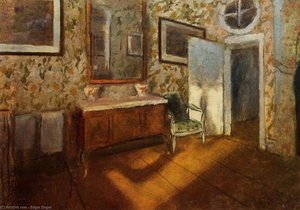

The Strategic Canvas: Art as a Pillar of Corporate Brand Identity
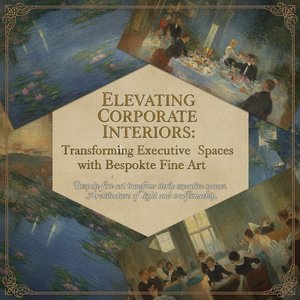
In the contemporary landscape of high-end hospitality and corporate architecture, the distinction between a mere building and a landmark lies in the soul of its interior. For the discerning hotel designer, every element serves as a silent ambassador of the brand's ethos. We are moving far beyond the era where art was treated as an afterthought or simple decoration; today, it has emerged as a fundamental pillar of strategic branding. When a guest enters a lobby, they are not merely entering a room, but stepping into a curated narrative. The thoughtful selection of fine art allows a corporation to communicate its values—be it stability, innovation, or timeless elegance—without uttering a single word.
A well-chosen masterpiece acts as a visual anchor, grounding the brand's identity in a sense of permanence and prestige. By integrating works that resonate with the company’s mission, designers can create a cohesive sensory experience that links corporate branding to profound cultural experiences. This is not about filling empty walls; it is about the intentional deployment of aesthetic power to transform a sterile environment into a prestigious destination that commands respect and recognition on a global scale.
Curating Atmosphere: Enhancing Employee Wellbeing and Productivity through Visual Stimuli
The psychological impact of the built environment cannot be overstated. In the modern workspace, where the boundaries between professional rigor and personal wellness are increasingly blurred, art serves as a vital tool for emotional regulation. The sterile, monochromatic corridors of traditional offices often contribute to cognitive fatigue, yet a curated selection of fine art can act as a restorative force. Research into environmental psychology suggests that engaging with complex visual stimuli—such as the deep textures of an impasto landscape or the rhythmic patterns of abstract forms—can significantly reduce stress and stimulate creative thought.
For the designer, this presents an opportunity to use color theory and composition to influence the energy of a room. A vibrant, textured piece in a communal lounge can spark spontaneous interaction and vitality, while more serene, light-drenched compositions in executive suites can foster deep focus and tranquility. By treating art as a functional element of wellness, designers do more than beautify; they actively engineer environments that boost morale, enhance productivity, and nurture the mental wellbeing of every individual who inhabits the space.
Architectural Synergy: Integrating Large-Scale Murals and Bespoke Installations into Modern Design
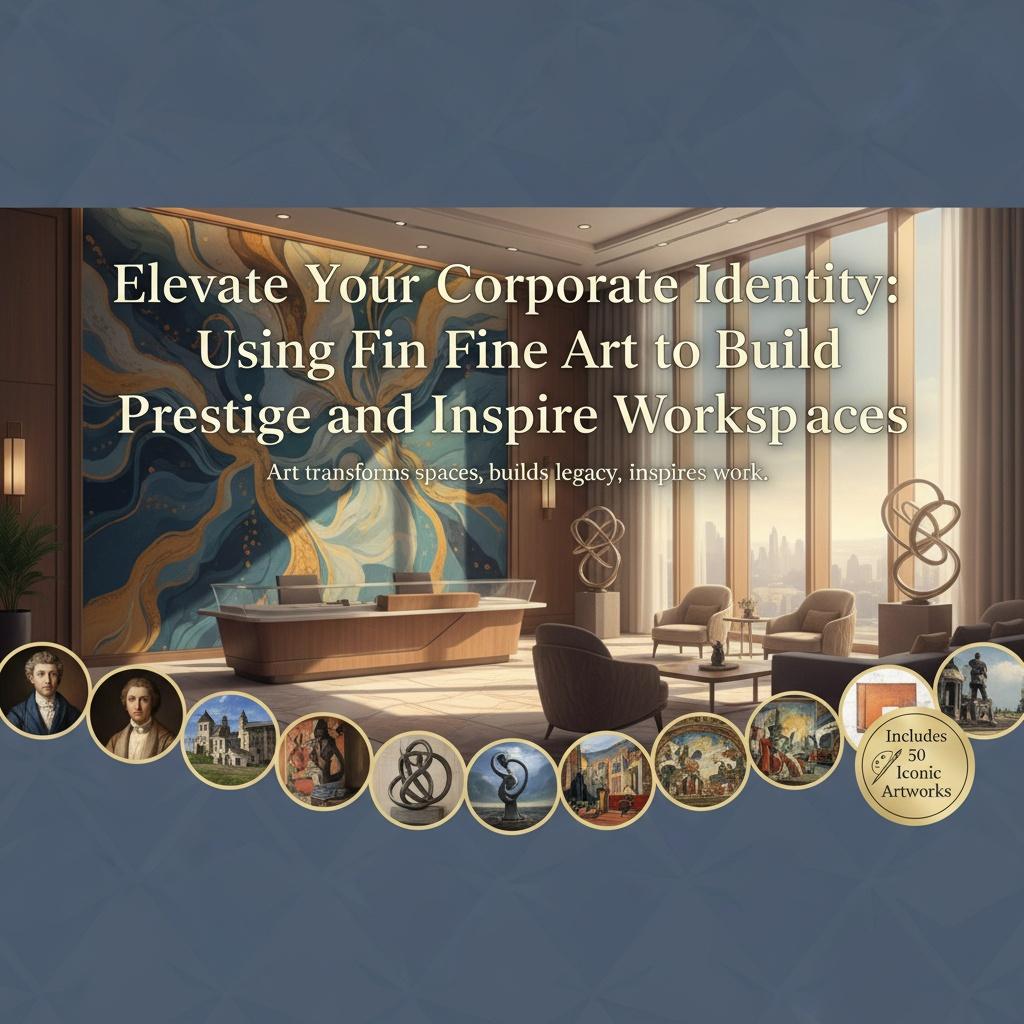
True luxury is found in the seamless integration of art and architecture. The most impactful designs are those where the boundary between the wall and the artwork becomes indistinguishable. For large-scale projects, such as grand hotel atriums or expansive corporate lobbies, the use of architectural art—including massive canvas murals and ceiling frescoes—allows for a monumental scale of expression. These installations do not merely sit upon a surface; they redefine the very volume of the space, drawing the eye upward and creating a sense of awe that is essential to high-end hospitality.
The technical possibilities are as vast as the imagination. Imagine a ceiling reimagined with the grandeur of a Renaissance fresco, or a feature wall transformed by a contemporary mural painted on massive canvas rolls. These works can be installed with the precision of high-end wallpaper, yet they possess a tactile, living quality that mass-produced decor can never replicate. When art is scaled to match the architectural ambition of a project, it creates a sense of bespoke luxury, making the space feel uniquely crafted for its specific location and purpose.
The Language of Texture: Utilizing Impasto and Materiality to Command Presence in Luxury Spaces
In an age dominated by flat, digital imagery, there is a profound longing for the tactile. This is why the resurgence of impasto techniques—where thick, visible brushstrokes create a three-dimensional topography on the canvas—is so critical in luxury design. The interplay of light and shadow across a textured surface adds a dynamic energy to a room; as the time of day changes and natural light shifts through a window, the artwork itself appears to evolve. This "living" quality ensures that the art remains a focal point of interest, inviting closer inspection and deeper engagement.
The use of materiality, such as gold leaf accents or the heavy application of oil pigments, introduces a sense of richness and weight. Whether it is the bold, earthy tones of a terracotta and olive abstract or the sophisticated shimmer of metallic highlights, texture commands presence. It provides a sensory depth that complements high-end materials like marble, velvet, and polished wood. By selecting works with significant physical depth, designers can create layers of visual interest that make a space feel opulent, complex, and undeniably premium.
From Concept to Commission: Navigating the Art Procurement Process
Executing a vision of this magnitude requires more than just aesthetic taste; it requires a sophisticated approach to procurement and project management. The journey from an initial concept to the final installation is a meticulous process of curation, customization, and technical coordination. For designers working on complex commissions, the ability to "remix" art history or tailor works to specific color palettes is invaluable. This might involve transforming a modern photograph into a classical oil masterpiece or splitting a single panoramic image across multiple panels to suit a wide architectural feature.
Success in this realm relies on transparency and precision. From the initial digital mockup—which allows designers to visualize the composition within their specific space before a single drop of paint touches the canvas—to the final approval of the drying work, every step must be managed with professional rigor. The ultimate goal is to achieve a seamless transition from idea to reality, ensuring that the final installation not only meets the highest academic standards of fine art but also perfectly aligns with the architectural and branding objectives of the project.
Mus3ums: A Global Legacy in Art Excellence
At Mus3ums.com, we specialize in bridging the gap between historical mastery and modern corporate needs. With a legacy dating back to 2004, we provide a global platform for high-end art reproductions and bespoke commissions that serve the world's most prestigious designers and institutions. Our artists, many of whom hold degrees from the world's most esteemed Fine Arts academies, utilize traditional techniques—such as multi-layered oil painting and impasto textures—to create works that possess the soul and depth of museum masterpieces.
Whether you are seeking large-format murals for a luxury hotel, custom portraits to celebrate corporate milestones, or Giclée prints designed for long-term preservation, we offer unparalleled transparency through our digital management systems. We understand the complexities of international design, offering worldwide shipping, customized framing solutions, and even support for VAT and customs duties. At Mus3ums.com, we do not just provide art; we provide the tools to transform your architectural visions into enduring cultural landmarks.