


The Poetics of Light: Defining the Ethereal Aesthetic in Fine Art
To encounter ethereal art is to step beyond the boundaries of the tangible world and enter a realm where light becomes a protagonist rather than a mere medium. In the grand tradition of fine art, the ethereal aesthetic is defined by a delicate tension between presence and absence, where forms emerge from soft shadows and dissolve into luminous atmospheres. This quality is not found in the sharp, clinical precision of realism, but rather in the subtle gradations of tone that suggest something much larger than what the eye can immediately grasp. It is an invitation to contemplation, a visual whisper that speaks of the ephemeral nature of beauty and the fleeting moments of grace that define our existence.
Historically, this pursuit of the intangible has been mastered through the manipulation of luminosity. When we observe the way light dances upon a surface or how it seems to emanate from within the canvas itself, we are witnessing the artist's ability to capture the soul of a subject. This aesthetic does not demand attention with loud, jarring colors; instead, it seduces the viewer through a quiet, rhythmic interplay of brilliance and obscurity. It is an art form that celebrates the mystery of the unseen, making the intangible feel profoundly intimate.
Atmospheric Interiors: How Impressionist Softness Creates Emotional Depth
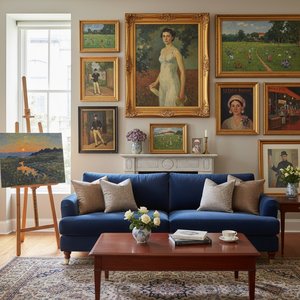
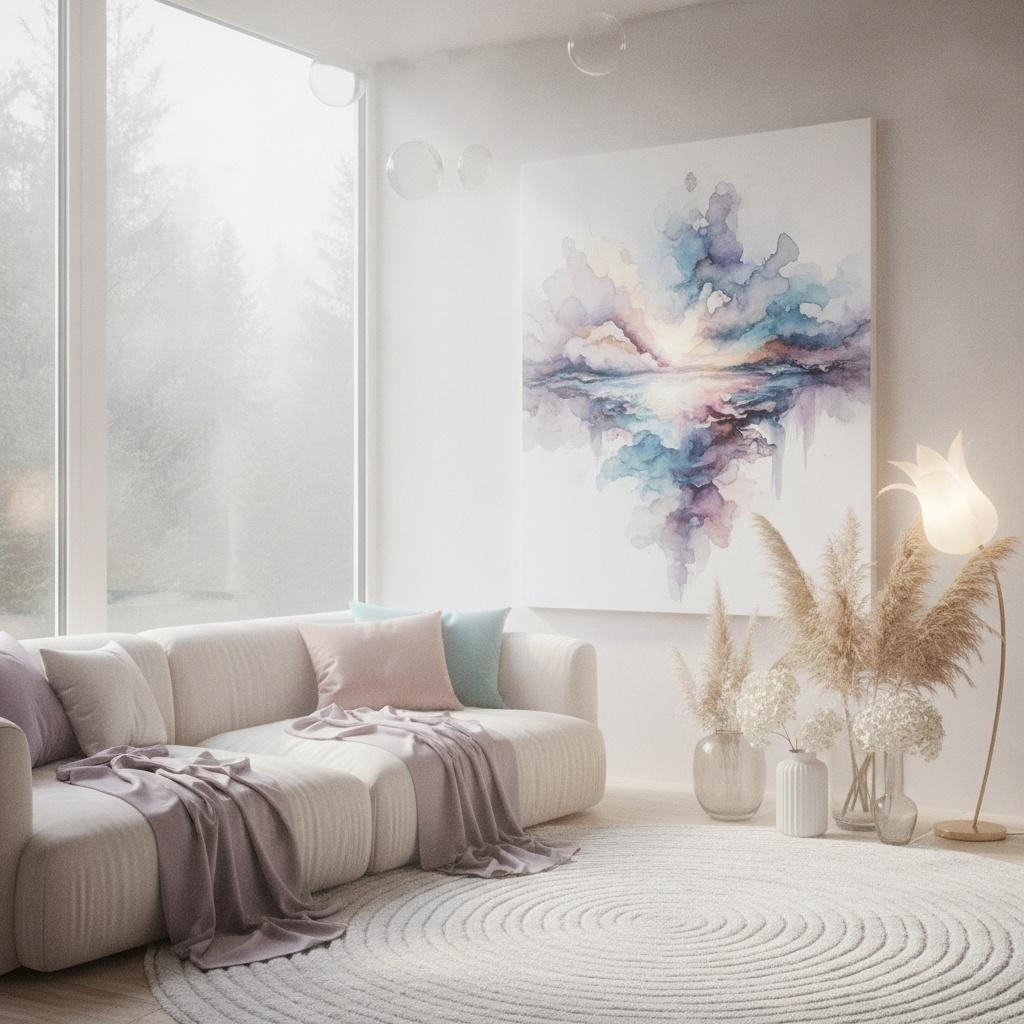
When these dreamlike qualities are brought into the sanctuary of the home, the transformation of a living space is nothing shortave of profound. An interior adorned with Impressionist-inspired works undergoes a shift in emotional temperature. The soft, blurred edges and the lack of rigid outlines found in masterpieces like those of William Merritt Chase allow a room to breathe. In such spaces, the art does not merely sit upon the wall; it radiates an atmosphere of serenity and introspection. A painting depicting a woman lost in thought, captured with subtle light and gentle brushstrokes, can instill a sense of domestic tranquility that anchors the entire room.
This emotional depth is achieved through what designers often call atmospheric layering. By introducing works that prioritize mood over literal representation, a collector creates a dialogue between the architecture of the room and the spirit of the art. The soft focus of an Impressionist landscape or a quiet interior scene acts as a visual buffer against the frenetic energy of the modern world. It invites the inhabitant to slow down, to linger, and to find a sense of peace within the subtle shifts of color and light that define the room's character.
Beyond the Frame: Curating Dreamlike Masterpieces for Modern Living Spaces
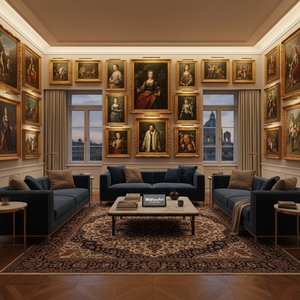
Curating a collection of ethereal art requires a sophisticated understanding of balance and placement. To truly integrate these dreamlike elements into a modern interior, one must look beyond the physical frame and consider how the artwork interacts with the surrounding environment. The challenge lies in selecting pieces that complement contemporary architecture without being overwhelmed by it. For instance, a large-scale, multi-panel arrangement can serve as a breathtaking focal point for a wide wall or a grand staircase, allowing the fluid brushstrokes to flow seamlessly across the architectural divide, creating a sense of continuous movement.
The modern collector often seeks to bridge the gap between historical reverence and contemporary lifestyle. This might involve placing a classical-style oil painting in a minimalist setting, where its rich textures provide a necessary counterpoint to clean lines and neutral tones. The goal is to create a curated experience where each piece feels like an intentional part of a larger narrative—a narrative of elegance, history, and personal taste. When done with expertise, the art becomes an extension of the home's very soul, turning a mere living space into a gallery of personal meaning.
The Tactile Dream: The Transformative Power of Hand-Painted Texture and Impasto
There is a profound difference between seeing a dream and feeling one. In the realm of fine art, this distinction is found in the tactile reality of the medium itself. While digital reproductions may capture the color of a masterpiece, they often fail to replicate the physical presence of the paint. A true, hand-painted oil reproduction possesses a three-dimensional quality that is essential to the ethereal experience. The use of impasto—the thick, textured application of paint—allows light to catch on the ridges of every brushstroke, creating tiny shadows and highlights that change as one moves through the room.
This physical depth provides a sense of authenticity and "soul" that is impossible to achieve with flat prints. When an artist meticulously layers oils on 100% cotton canvas, they are building a landscape of texture that invites the eye to wander. The visible movement of the brush, the subtle ridges of pigment, and the way the light interacts with the raised surface all contribute to a sense of living art. This tactile dimension is what allows an ethereal painting to feel truly alive, bridging the gap between the two-dimensional image and the three-dimensional world we inhabit.
A Sanctuary of Color: Harmonizing Ethereal Palettes with Architectural Design
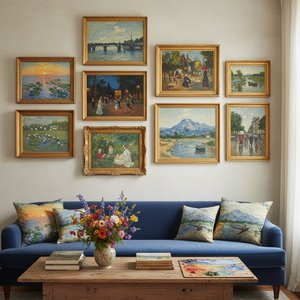
The final element in creating a dreamlike sanctuary is the harmonious integration of color. An ethereal palette often relies on subtle, sophisticated tones—soft creams, muted blues, and luminous golds—that evoke a sense of calm. To achieve a cohesive design, the colors within the artwork should resonate with the existing palette of the room. This does not mean the art must match the walls perfectly; rather, it should engage in a sophisticated dialogue with them. A painting featuring vibrant, impressionistic colors can provide a necessary burst of energy to a neutral room, while a more muted work can deepen the intimacy of a darker space.
For those seeking to customize their environment, the possibilities are endless. One might choose to have a personal photograph reimagined in the light-drenched style of Monet or even transform a modern memory into a 17th-century masterpiece through a period shift. By carefully selecting colors that harmonize with architectural elements—such as wood tones, stone textures, or metallic accents—the collector ensures that the art and the space are inextricably linked. In this careful orchestration of color, light, and texture, the home is transformed into a true sanctuary of elegance, where every corner tells a story of beauty and timelessness.
At Mus3ums.com, we are dedicated to making this level of fine art accessible to collectors worldwide. From bespoke hand-painted oil reproductions to custom portrait commissions that turn personal memories into museum-quality treasures, our mission is to help you curate a space that inspires. Whether you are looking for the textured depth of an Impressionist landscape or a large-scale mural to redefine your architecture, our master artists bring historical excellence to every canvas.