The Silent Vocabulary: An Introduction to Iconography and Visual Metaphor
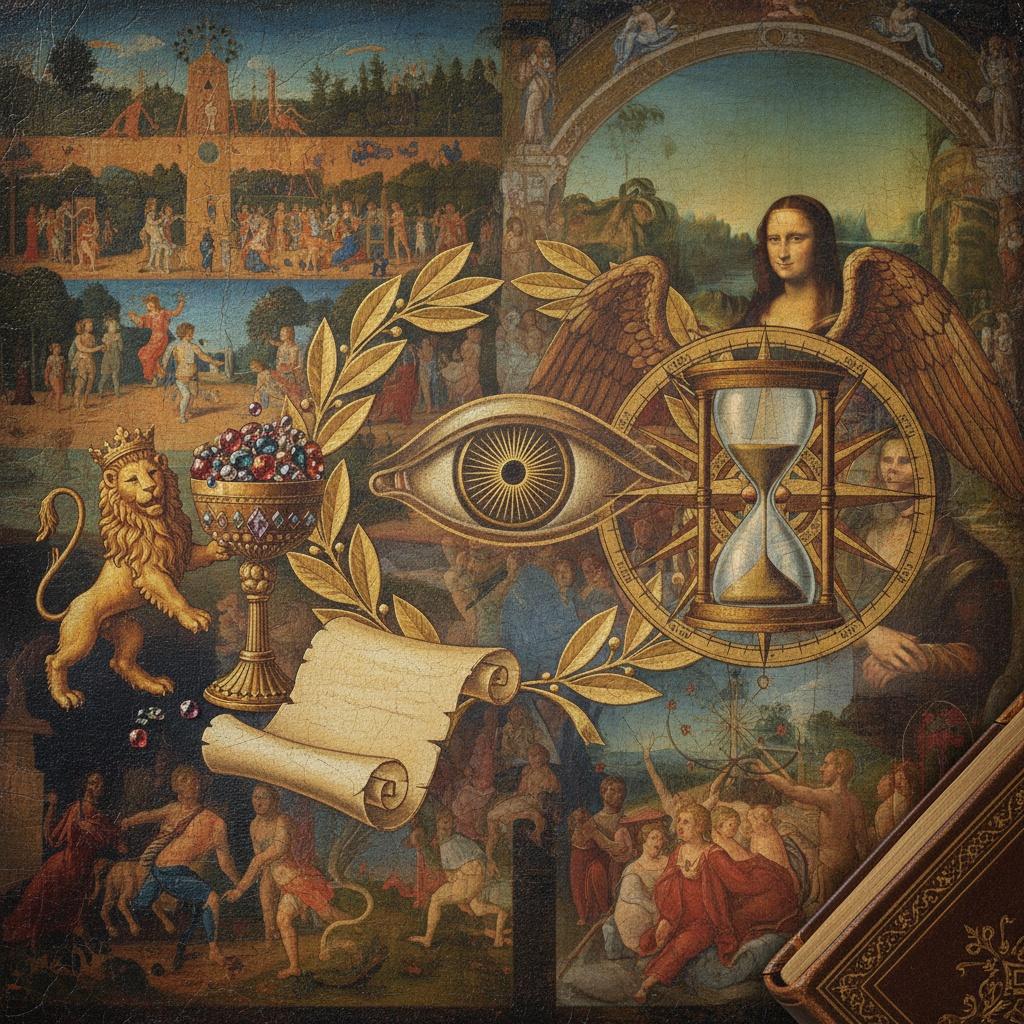
To the casual observer, a masterpiece may appear as a mere window into a bygone era, a beautiful arrangement of pigment and light captured upon canvas. Yet, for the discerning enthusiast, every brushstroke serves as a syllable in a profound, silent language. This is the realm of iconography—the study of symbols and images that convey complex theological, political, or personal narratives without the need for written text. When we stand before an Old Master painting, we are not merely looking at a scene; we and participating in a sophisticated dialogue with the artist’s intellect.
The power of visual metaphor lies in its ability to transcend time. A single object, placed with intentionality by a master, can shift the entire meaning of a composition. An overturned goblet might whisper of mortality, while a blooming rose speaks of ephemeral beauty. Understanding this vocabulary allows the viewer to move beyond surface-level aesthetics and enter a deeper state of contemplation, where the canvas becomes a text to be read, interpreted, and revered. It is an invitation to look closer, to question the placement of shadows, and to find the hidden truths tucked within the folds of painted drapery.
Celestial Narratives: Decoding the Sun, Moon, and Stars in Folk and Sacred Art
Since the dawn of human creativity, the heavens have served as the ultimate canvas for our highest aspirations and deepest fears. In many traditions, celestial bodies are far more than astronomical phenomena; they are potent symbols of the divine and the cyclical nature of existence. Consider the captivating folk art works, such as those seen in Marj Bond’s Eagle & Jaguar Warriors (Sun, Moon, Star). Here, the bold lines and textured surfaces do not merely depict a night sky, but rather weave a tapestry of cosmic balance. The sun represents the vital, life-giving force, while the moon offers a reflective, nocturnal counterpart, together creating a sense of eternal equilibrium.
This celestial symbolism extends into the sacred realms of art history, where the stars often represent guidance or the infinite reach of the divine. In many classical compositions, the presence of a star is not decorative but serves as a focal point for spiritual longing. When we observe these motifs, we are witnessing a universal human attempt to map our place within the vastness of the cosmos. By decoding these celestial markers, we gain insight into how ancient and modern artists alike have sought to harmonize the terrestrial experience with the eternal rhythms of the universe.
The Elegance of Allegory: Symbolism in Art Nouveau and the Secessionist Movement
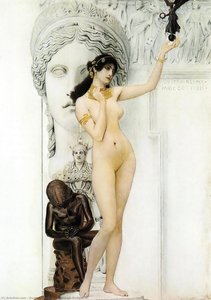
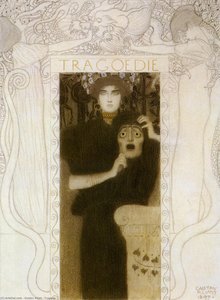
As we transition from the cosmic to the more intimate, refined movements of the late 19th and early 20th centuries, symbolism takes on a more melancholic and decorative elegance. The Art Nouveau movement, particularly within the Viennese Secession, utilized flowing lines and organic forms to express complex psychological states. In the exquisite Vignettes for the Secessionausstellung by Koloman Moser, we encounter a world of elegant lines and symbolic figures that evoke a sense of refined beauty intertwined with a subtle, haunting sadness. This was an era where art sought to unify all aspects of life through a cohesive, symbolic aesthetic.
In this period, the allegory became more fluid and ornamental. Artists like Raphael Kirchner, in works such as Girls with purple surrounds, utilized color and form to create atmospheric moods that suggest much more than what is visible. The use of specific hues—such as the deep, regal purples—can evoke themes of mystery, nobility, or even mourning. In these masterpieces, the symbol is no longer a static object but an integrated part of the very texture of the painting, inviting the viewer to lose themselves in a dreamlike state where the boundary between reality and metaphor becomes beautifully blurred.
Nature’s Hidden Language: Flora, Fauna, and the Subtext of the Natural World
The natural world has always been the primary lexicon for artists seeking to communicate the nuances of human emotion. Within the botanical and zoological elements of a painting, one finds a rich subtext of meaning. A lily is rarely just a flower; it is often an emblem of purity or the Virgin Mary. A hunting dog might represent fidelity, while a predatory bird could signify the ferocity of nature or the inevitability of fate. This botanical and faunal symbolism allows artists to ground their grander themes in the tangible, recognizable elements of the earth.
To study these natural symbols is to engage in a form of ecological reading. The way an artist renders the delicate veins of a leaf or the muscular tension of a beast provides clues to the underlying narrative. In many classical landscapes, the weather and the flora are not merely background scenery but active participants in the drama. By recognizing these subtle cues, the enthusiast can uncover layers of meaning regarding growth, decay, and the cyclical struggle for survival that mirrors our own human condition.
The Weight of Color: Emotional Resonance and Symbolic Pigmentation in Masterpieces
Beyond form and figure, color serves as one of the most potent tools in the artist's arsenal for symbolic communication. The chemistry of art—the very pigments used on the canvas—carries an inherent emotional weight. Blue, often achieved through the precious ultramarine, has historically been associated with the heavens, the divine, and a sense of profound tranquility. Conversely, deep reds can evoke passion, blood, or even the warmth of life itself. The intentional use of color temperature and saturation can direct the viewer's eye and manipulate their emotional response to the subject matter.
This symbolic use of pigment is particularly evident in works that utilize high contrast or dramatic lighting. An artist might use a sudden burst of gold to signify enlightenment or a heavy, dark shadow to suggest the presence of the unknown. The mastery of color lies in the ability to use these hues not just for realism, quite literally painting with emotion, but to create a psychological landscape that resonates long after one has left the gallery. It is through this chromatic language that the most profound truths of the human experience are often whispered to the soul.
A Curator's Perspective: How to Cultivate a Deeper Dialogue with Your Collection
For the dedicated collector, the journey of art appreciation does not end with the acquisition of a beautiful piece; rather, it is the beginning of a lifelong scholarly pursuit. To truly cultivate a collection is to build a library of visual narratives. It requires a commitment to looking beyond the surface and seeking out the intentionality behind every composition. Whether one is exploring through professional consultations or engaging with the historical context of a new acquisition, the goal remains the same: to foster a meaningful connection with the artists of the past.
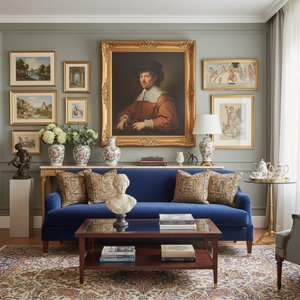
As you curate your space, consider how each piece contributes to a larger conversation. A collection of symbolic works can transform a home into a sanctuary of thought and reflection. By understanding the iconography, the allegories, and the chromatic secrets of your paintings, you elevate your role from a mere owner to a custodian of history. In this way, art becomes more than decoration; it becomes a living, breathing dialogue between the creator, the collector, and the eternal truths of the human spirit.
At Mus3ums.com, we are dedicated to preserving this profound connection to art history. Our mission is to make the beauty and depth of the Old Masters accessible to all through exquisite, hand-painted reproductions that honor the original artist's vision and symbolic intent. From custom portraits that reimagine your own history to large-scale murals that transform architectural spaces, we provide the expertise and craftsmanship necessary to bring the language of the masters into the modern home.