Pieter Bruegel Stariji

1525 - 1569

{# No brand feature-page sidebar (Commission/Spectral Index/Chronicle/ Mood Room/Palette Genome/3D Museum/Subject Atlas) here: none of these exist in mus3ums's scope — see DOC_MISC_SITES.md §3. #}

Kratki pregled

  • Color intensity: uravnoteženo
  • Best occasions: akcent
  • Died: 1569
  • Nationality: Nizozemska
  • Emotional tone: reflektivan
  • Works on APS: 247
  • Also known as:
    • Pieter Brueghel Veliki
    • Pieter Bruegel
    • Pieter Bruegel Iz Brugge
  • Copyright status: Public domain
  • Topics explored:
    • landscape
    • renaissance art
    • religious symbolism
    • renaissance
    • rural life
  • Lifespan: 44 years
  • Born: 1525, Breda, Nizozemska
  • Prikaži više…
  • Gift suitability: other-none
  • Corpus themes:
    • social commentary
    • religious allegory
    • flemish tradition
    • humanist ideals
    • religious symbolism
  • Typical colors: zemljani
  • Room fit: dnevni boravak
  • Movements: northern renaissance
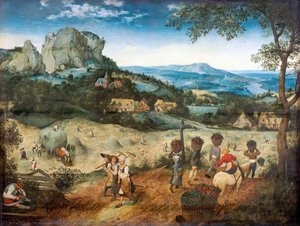
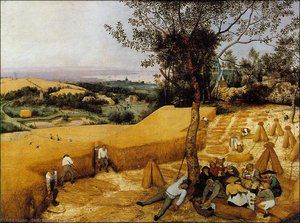
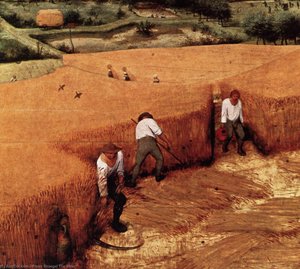
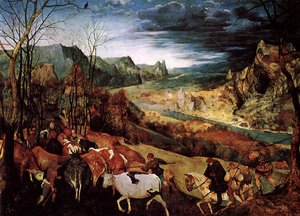
  • Top-ranked work: Žetva seljaka
  • Museums on APS:
    • Albertina
    • Alte Pinakothek
    • Kraljevski muzeji za lijepu umjetnost Belgije
    • Museum Boijmans Van Beuningen
    • Britanski muzej
  • Mediums: akril na platnu
  • Vibe:
    • mirnoća
    • dramatičan
  • Art period: Renesancija
  • Creative periods: mature period

Kviz o umjetnosti

Svako pitanje ima samo jedan točan odgovor.

Pitanje 1:
Ko je Pieter Bruegel Stariji?
Pitanje 2:
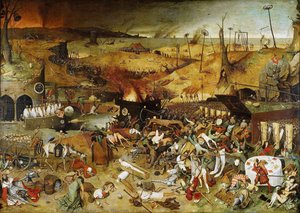
Kako se zove poznato djelo koje prikazuje smrt i ljudsku prazninu?
Pitanje 3:
Zašto je Pieter Bruegel Stariji bio važan umjetnik?
Pitanje 4:
Kako Bruegel prikazuje život običnih ljudi?
Pitanje 5:
Kako je Pieter Bruegel Stariji utjecao na druge umjetnike?

Pieter Bruegel the Elder (c. 1525–1569): Renaissance Master of Landscapes & Peasant Life

Pieter Bruegel the Elder emerged during a period of profound change, a time when the artistic landscape of Europe was shifting from the High Renaissance ideals of Italy towards the burgeoning complexities of Northern European expression. Born sometime between 1525 and 1530, likely in Breda – though details surrounding his early life remain somewhat elusive – Bruegel’s formative years unfolded amidst religious upheaval and a flourishing merchant culture. He began his artistic journey around 1545 as an apprentice to Pieter Coecke van Aelst, a respected Antwerp painter known for both his artistry and his designs for tapestries. This apprenticeship provided Bruegel with a solid grounding in the technical skills of oil painting and drawing, but perhaps more importantly, it exposed him to the humanist currents that were beginning to permeate intellectual circles. Van Aelst’s workshop was not merely a place of artistic instruction; it was a crucible where traditional techniques met new ideas, shaping Bruegel's future vision.

Early Life & Artistic Training

Bruegel’s initial artistic training took place in Antwerp, the undisputed center of Flemish art and commerce during his time. He studied under Pieter Coecke van Aelst, absorbing the master’s meticulous attention to detail and mastering the techniques of oil painting – a medium that was gaining prominence in Northern Europe as artists sought to emulate the luminous effects achieved by Italian Renaissance painters. However, Bruegel's artistic sensibilities were distinctly rooted in the traditions of Flemish art, characterized by a focus on realism, expressive color palettes, and a profound understanding of human psychology. This early exposure to humanist thought would profoundly influence his subsequent artistic endeavors, shaping his worldview and informing his creative choices.
Travels & Artistic Transformation

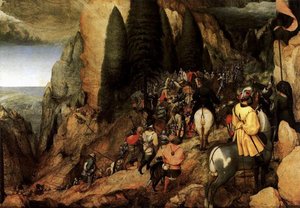
Following his apprenticeship, Bruegel embarked on extensive travels that would indelibly mark his artistic development. Between 1551 and 1553, he journeyed through France, Switzerland, and Italy – a daring undertaking for a young artist venturing into unfamiliar cultural landscapes. These expeditions were not merely sightseeing trips; they were deliberate explorations of artistic inspiration. While in Italy, Bruegel encountered the monumental works of Renaissance masters—Leonardo da Vinci, Michelangelo, Raphael—and absorbed their stylistic innovations. Yet, crucially, he resisted the temptation to adopt Italianate conventions wholesale. Instead, he internalized their influence and filtered it through his own unique temperament, resulting in a distinctive artistic style that blended Northern European realism with elements of Italian grandeur. The Alps, with their dramatic peaks and valleys, captivated Bruegel’s imagination and profoundly impacted the compositional structure and atmospheric perspective found in many of his later landscapes.

The Birth of a Unique Vision: Landscapes & Peasant Life

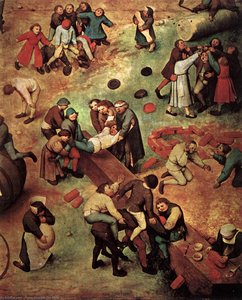
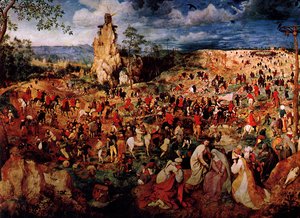
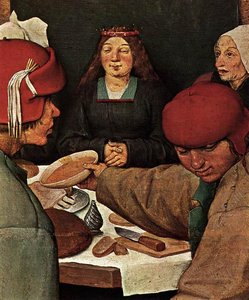
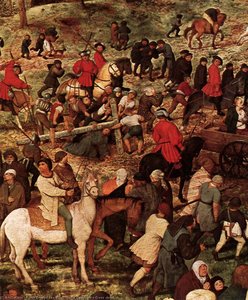
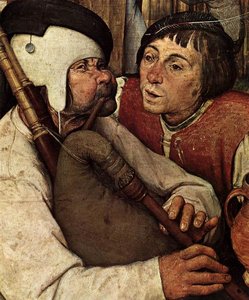
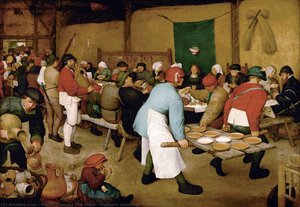
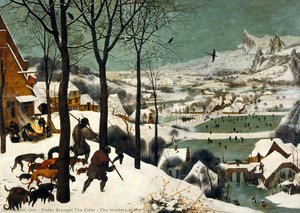
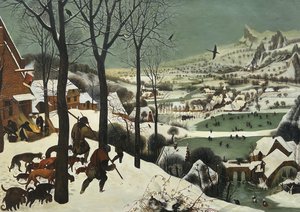
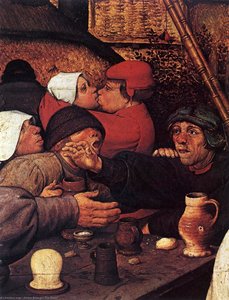
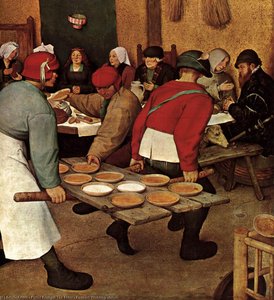
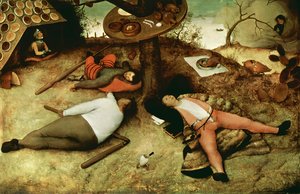
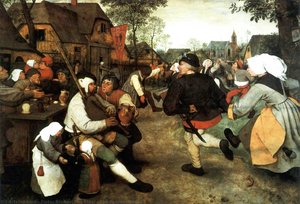
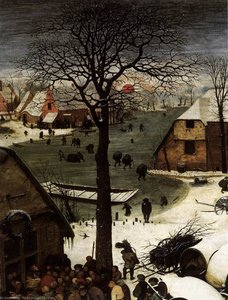
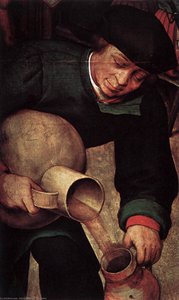
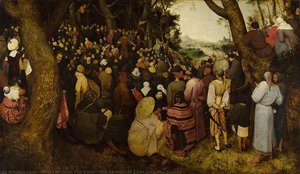
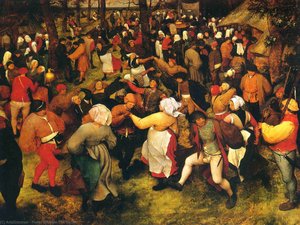
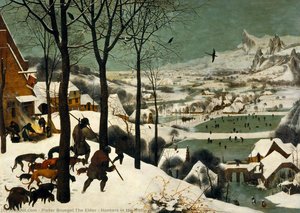
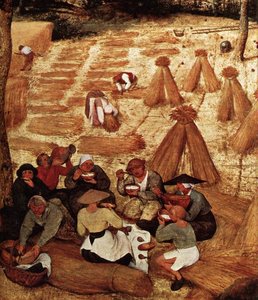
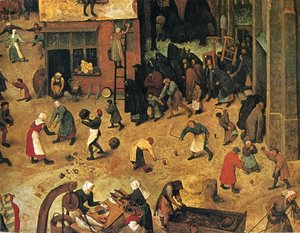
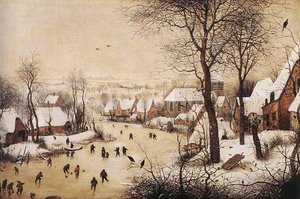
Bruegel's artistic breakthrough occurred when he turned his gaze inward—towards the everyday lives of Flemish peasants and villagers. Unlike many of his contemporaries who favored mythological narratives or religious iconography, Bruegel chose to depict scenes from rural existence with remarkable honesty and psychological insight. His landscapes were not merely decorative backgrounds; they were active participants in the narrative, imbued with symbolic meaning and reflecting a deep understanding of nature’s power and beauty. Paintings like *The Hunters in the Snow* exemplify his masterful command of atmospheric perspective—creating depth and realism through subtle gradations of color and tone—while *Peasant Wedding* captures the vibrant energy and social customs of a Flemish village with astonishing detail. Bruegel's artistic vision was characterized by a humanist impulse to portray humanity as it truly is—with its joys, sorrows, triumphs, and failures—without resorting to idealized representations or moralizing judgments.

Iconic Works & Lasting Influence

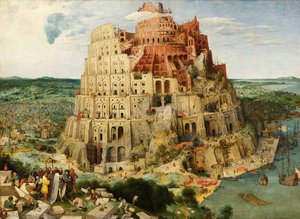
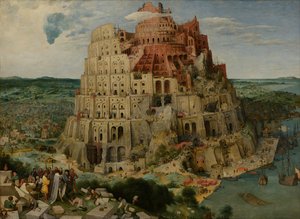
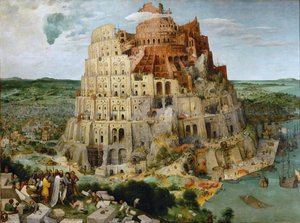
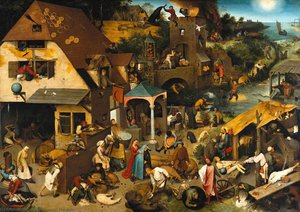
Pieter Bruegel the Elder’s legacy extends far beyond his individual paintings. He established himself as one of the foremost artists of his era, influencing generations of painters who followed him. His innovative approach to landscape painting paved the way for developments in the genre that would resonate throughout the Baroque period and beyond. Furthermore, Bruegel's unflinching portrayal of peasant life challenged prevailing artistic conventions and contributed to a broader cultural shift towards valuing vernacular culture and depicting human experience with psychological realism. Paintings like *The Tower of Babel*, *Landscape with the Fall of Icarus*, and *The Peasant Wedding* remain among the most celebrated works of art in history—testaments to Bruegel’s artistic genius and enduring influence on Western art. He died in Brussels in 1569 at the relatively young age of forty-three, leaving behind a body of work that continues to captivate audiences worldwide and cementing his place as one of the most important figures in the history of art.


© 2026 mus3ums.com