


The Soul of a Nation: Unveiling the Comédie-Française
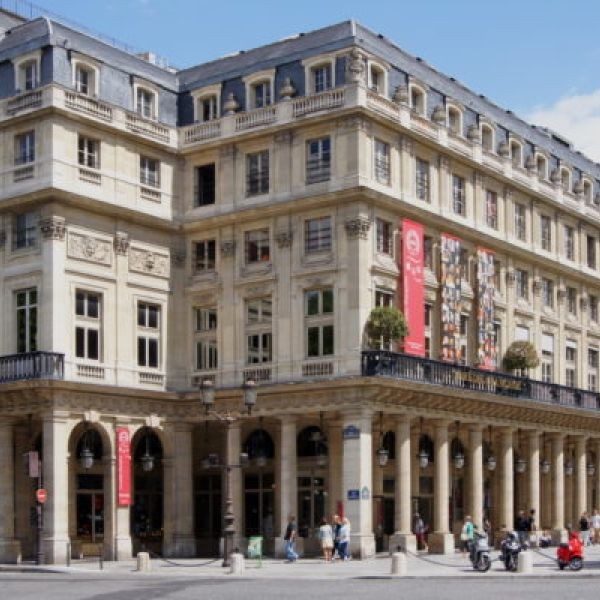
Stepping into the Comédie-Française is akin to entering a meticulously preserved portal – not merely to a theatre, but to the very heart of French cultural history. Founded in 1680 by Louis XIV, this institution isn’t simply a repository of theatrical tradition; it's an active, breathing embodiment of centuries of dramatic artistry and national identity. More than just a stage, the Comédie-Française stands as “La Maison de Molière,” a testament to the playwright whose wit, satire, and profound observations continue to resonate within its walls. The building itself, nestled within the historic Palais-Royal complex in Paris, is an architectural marvel – a stunning example of Italianate design dating back to the 18th century, meticulously maintained to evoke the grandeur and refinement of its era. The ornate façade, with its Corinthian columns and delicate balustrades, hints at the treasures held within, while the interior whispers tales of legendary performances and generations of actors who have graced its boards.
The Comédie-Française’s unique structure is rooted in a tradition known as the *Confrérie de la Passion*, a guild established in 1402 for the purpose of staging religious plays. This system, still in place today, ensures that membership – and therefore artistic leadership – is earned through years of dedicated service and exceptional talent. Actors progress through stages: first as *pensionnaires* (probationary actors), demonstrating their abilities over several years, then achieving *sociétaire* status – a lifelong honor signifying complete integration into the company and a commitment to upholding the highest standards of French dramatic performance. Around 30-40 actors comprise this esteemed group, acting not just as performers but as guardians of the theatre’s legacy, actively mentoring younger artists and contributing to its artistic direction. Their dedication is palpable, a living embodiment of the institution's core values – precision, passion, and an unwavering commitment to French theatrical excellence.
A Royal Patronage: The Birth of a National Institution
Established under Louis XIV’s reign, the Comédie-Française represents a deliberate effort to elevate French drama on an international stage. Prior to this consolidation, Parisian theatrical troupes were fragmented and often subject to the whims of the monarchy. Louis XIV recognized the importance of a centralized institution dedicated to fostering excellence in dramatic arts, believing that a strong national theatre could serve as a powerful symbol of royal authority and cultural prestige. The merger of existing companies – the Guénégaud and Hôtel de Bourgogne – under royal auspices created a unified force capable of presenting works both domestically and abroad, solidifying France’s position as a leader in theatrical innovation. This strategic move wasn't merely about consolidating power; it was an investment in shaping French identity through art, projecting an image of sophistication and cultural dominance to the rest of Europe.
Salle Richelieu: A Symphony of Sight and Sound
The theatre’s primary venue, Salle Richelieu, is designed not just for performance but as a visual declaration of France’s dedication to artistic excellence. Its soaring ceilings are adorned with frescoes depicting scenes from classic plays – vibrant works of art that capture the drama and emotion of Molière’s masterpieces. The meticulously restored seating creates an atmosphere of both grandeur and intimacy, fostering a connection between performers and audience that transcends time. The acoustics have been carefully calibrated over centuries to ensure optimal sound quality, contributing to the theatre's reputation as one of the world’s finest acoustic spaces. The hall is more than just a room; it’s a meticulously crafted stage for the senses, designed to immerse visitors in the world of French drama. Beyond its functional design, Salle Richelieu embodies the spirit of French theatrical tradition – a harmonious blend of elegance, artistry, and technical precision.
Treasures Within: Tapestries, Portraits, and Stage Sets
Beyond the stage itself, the Comédie-Française offers a wealth of visual references for collectors, interior designers, and art enthusiasts. The theatre’s collection includes exquisite tapestries depicting scenes from classic plays – vibrant works of art that capture the drama and emotion of Molière's masterpieces. Portraits of its most celebrated actors—many rendered with remarkable detail and capturing the essence of their characters—line the walls, offering a fascinating glimpse into the personalities who have shaped the theatre’s legacy. Furthermore, the museum houses original stage sets – carefully preserved examples of theatrical design from various eras – providing invaluable insights into the evolution of stagecraft and the artistry involved in bringing dramatic narratives to life. These artifacts are not merely relics of the past; they represent a tangible link to France's rich theatrical heritage.
The Comédie-Française’s enduring legacy stems from its unwavering commitment to preserving French theatrical tradition, fostering artistic excellence, and sharing its cultural treasures with audiences worldwide. Its history is interwoven with the lives of countless playwrights, actors, and patrons—a chronicle of creativity, ambition, and national pride.