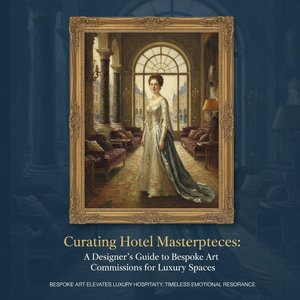
The Silent Ambassador: Establishing Brand Heritage Through Visual Narratives
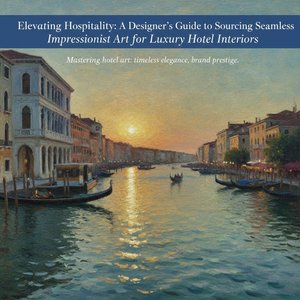 Elevating Hospitality: A Designer's Guide to Sourcing Seamless Impressionist Art for Luxury Hotel Interiors
The Silent Ambassador: Establishing Brand Heritage through Impressionist Narratives Timeless 19th Century Art Reproductions: A Strategic Procurement Guide for Hotel and Hospitality Interior Designers The Strategic Role of 19th Century Art in Hospital...
In the rarefied atmosphere of luxury hospitality, excellence has undergone a profound metamorphosis. For generations, the hallmark of a premier establishment was found in the predictable perfection of service and the opulent weight of fine linens. Yet, as we navigate an era of unprecedented accessibility to high-end amenities, the discerning traveler no and longer seeks merely a sanctuary for rest; they seek a sanctuary for the soul. Within this context, a hotel's visual narrative is far more than a mere collection of decorative accents; it serves as the silent ambassador of its very soul. For the visionary designer, every corridor, lounge, and suite presents an opportunity to weave a story of permanence and prestige.
When we look toward movements such as Impressionism—the luminous worlds of Monet, Renoir, and Pissarro—we find a profound tool for brand storytelling. These works do not simply occupy space; they anchor a property in an era of perceived elegance, transforming transient guest quarters into curated journeys of historical continuity. By integrating the soft, light-drenched landscapes of American Impressionism or the intimate, dappled sunlight found in Post-Impressionist interiors, a designer can evoke an immediate sense of established authority. Unlike the fleeting trends of contemporary abstraction, these historical aesthetics provide a psychological anchor for the guest, ensuring that the brand's identity feels deeply rooted in excellence and timelessness.
Neuroaesthetics in Hospitality: Art as an Emotional Anchor for the Modern Traveler
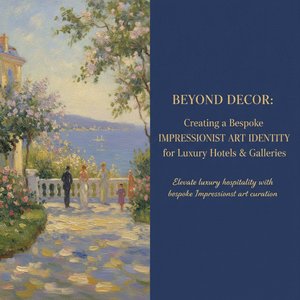 Beyond Decor: Creating a Bespoke Impressionist Art Identity for Luxury Hotels & Galleries
The Neuroaesthetics of Hospitality: Art as an Emotional Anchor for the Modern Traveler Elevate Hospitality: How Curated Impressionist Art Creates Unforgettable Luxury Guest Experiences The Psychology of Place: Art as an Emotional Anchor for the Moder...
The modern era of high-end hospitality is witnessing a shift toward what experts call neuroaesthetics—the science of how the brain responds to beauty. In the high-stakes arena of contemporary luxury, a guest's perception of prestige is forged within mere seconds of crossing the threshold. The modern hotel lobby is no longer a functional checkpoint for check-in; it is a curated sanctuary designed to trigger immediate emotional resonance. When a designer selects a piece that speaks to the soul, they are engaging in deep, visceral storytelling that bypasses the intellect and speaks directly to the emotions.
The science behind this connection lies in how well-encoded, well-chosen artwork triggers complex neurological responses. Consider the quiet symphony of light and atmosphere found in Impressionist works; such pieces can transform a transient passageway into a moment of profound stillness, releasing dopamine and fostering an instant sense of connection between the traveler and the space. By engaging the neurological pathways associated with pleasure and memory, art acts as an anchor, grounding the traveler in a specific moment and location. It provides a sense of stability amidst the movement of global travel, imbuing the hotel with an air of sophisticated calm that lingers in the memory long after departure.
Curating Continuity: The Strategic Role of 19th-Century Impressionism in Luxury Interiors
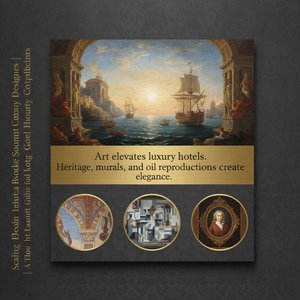 Scaling Elegance: Bespoke Art Solutions for Global Hotel Collections | A Thought Leadership Guide for Luxury Hospitality Designers
The Silent Ambassador: Establishing Brand Heritage through Curated Visual Narratives Elevating Hospitality: A Designer's Guide to Sourcing Seamless Impressionist Art for Luxury Hotel Interiors The Silent Ambassador: Establishing Brand Heritage throug...
Strategic procurement in luxury design requires a delicate balance between aesthetic prestige and operational efficiency. For the hospitality designer, sourcing seamless art that complements a brand's identity is a complex endeavor. The strategic role of 19th-century art in hospitality cannot be overstated; it provides a sense of "quiet luxury" that moves beyond mere ostentation toward intentional curation. When integrating classic portraiture or landscape reproductions, the goal is to create an environment where the art feels as though it has always belonged, contributing to a sense of established history even in new builds.
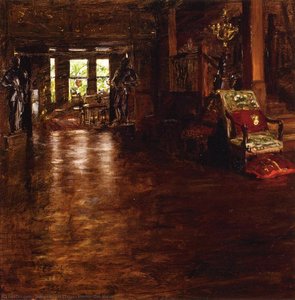
The Impressionist focus on light, color, and atmosphere offers a unique advantage for large-scale commercial interiors. A well-placed reproduction of a sunlit room, reminiscent of Vuillard’s quiet domesticity, invites a moment of peaceful contemplation, imbuing the hotel with an air of sophisticated calm. This approach allows designers to utilize the luminous worlds of the masters to create a cohesive atmosphere that transcends the physical boundaries of the room. By selecting works that emphasize texture and tonal depth, such as those featuring visible brushstrokes and rich impasto, designers can elevate a standard suite into a gallery-like experience that drives guest loyalty and social sharing.
Bespoke Solutions: Scaling Elegance with Custom Masterpieces and Multi-Panel Formats
 Curating Excellence: Bespoke Art Solutions for Luxury Hotel Interiors
The Neuroaesthetics of Hospitality: Engineering Emotional Resonance Through Masterworks Elevate Hospitality: Bespoke Art Curation & Custom Masterpiece Services for Luxury Hotels The Neuroaesthetics of Luxury: How Curated Masterpieces Drive Emotional ...
As architectural scales grow more ambitious, the demand for bespoke art solutions becomes paramount. For global hotel collections, the challenge lies in scaling elegance without losing the intimacy of the artistic touch. This is where the "multi-panel" trend offers a transformative solution for wide walls, grand staircases, or expansive lobbies. By splitting a single iconic composition across three, four, or five panels, designers can create a modern architectural look that maintains the integrity of the original masterpiece while adapting to contemporary spatial requirements.
Beyond mere scaling, the true luxury lies in customization and the ability to "remix" art history. The most sophisticated projects often require more than what is available in a catalog; they require works that are tailored to the specific color palette and lighting of a room. This might involve requesting a photo to be painted in the impasto style of Van Gogh or even a "period shift," where a modern element is reimagined through the lens of a 17th-century master. Such bespoke services allow for the creation of large-format murals and frescoes, painted on massive canvas rolls that can recreate historical ceilings like the Sistine Chapel in any contemporary space, ensuring that every corner of the property reflects a singular, unrepeatable vision.
The Designer’s Procurement Guide: Balancing Aesthetic Prestige with Operational Efficiency
 Interior design
Interior design is the art and science of enhancing the interior of a building to achieve a healthier and more aesthetically pleasing environment for the people using the space. With a keen eye for detail and a creative flair, an interior designer is...
For the professional interior designer, the procurement of fine art is a multifaceted process involving conceptual development, research, and execution. The challenge is to source high-quality reproductions that offer the prestige of an original while meeting the rigorous demands of hospitality logistics. This requires a strategic approach to sourcing—moving away from mass-produced prints toward hand-painted oil reproductions on 100% cotton canvas. These works provide a deeper tonal range and a tactile presence that computer printing simply cannot replicate, ensuring the artwork survives the scrutiny of the most discerning guests.
Successful procurement also necessitates a reliable partner capable of managing complex logistics, from custom sizing for large-scale projects to international shipping via DHL or FedEx. A professional-grade service must offer transparency through digital mockups, allowing designers to see the composition and color matching before the first brushstroke is applied. Furthermore, for B2B clients and hotel groups, the ability to access volume discounts, white-label shipping, and tax-compliant documentation is essential for seamless integration into larger project management workflows. Ultimately, the goal of art procurement in luxury hospitality is to find that perfect intersection where historical reverence meets modern operational excellence.