

What techniques make a contemporary creation valuable?
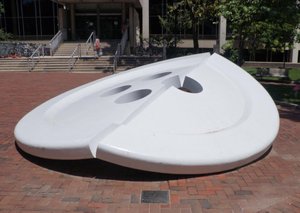
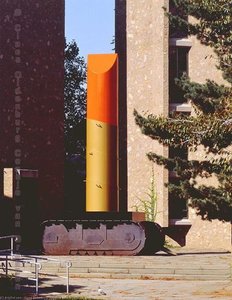
 Claes Oldenburg
. Swedish-born Pop Artist known for monumental, oversized sculptures and soft, yielding everyday objects like hamburgers and lipsticks.
Value in contemporary sculpture is driven by scale, precision of execution, and material durability. High-impact works utilize large-scale sculpting techniques and meticulous attention to form and color. The use of weather-resistant materials ensures the piece remains a resilient, striking presence in both indoor and outdoor environments.
Claes Oldenburg’s "Free" exemplifies this Pop Art approach. This monumental sculpture relies on smooth, rounded shapes and clean lines to achieve its visual impact. The technique involves specific production methods to ensure the work survives its intended setting:
- Use of durable, weather-resistant materials such as fiberglass or painted metal.
- Application of a glossy finish to enhance the vividness of bright hues like pink and red.
- Large-scale sculpting to create an oversized, energetic quality.
The ability of an artist to manipulate these modern materials to create a lasting, tactile presence is a primary driver of market interest. When a work can withstand the elements while maintaining its vibrant, saturated color, its long-term value is secured.
How do materials and craftsmanship impact the market price of a new work?
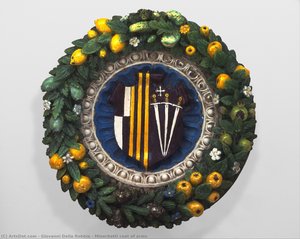
 Nativity
, Giovanni Della Robbia
Materiality and technical mastery are fundamental to an artwork's market appeal. The choice of medium—whether it be traditional terracotta or modern industrial metals—and the artist's ability to manipulate that substance to convey depth and meaning directly influence the perceived and actual worth of the piece.
Historical benchmarks for craftsmanship often set the standard for contemporary valuation. Giovanni della Robbia’s "Nativity" (c. 1521), currently held in the Museo Nazionale del Bargello, demonstrates how technical virtuosity elevates a medium. His development of polychrome glaze allowed him to achieve an enamel-like vibrancy within terracotta, creating a glow that seems to emanate from the clay itself.
In the contemporary era, this focus on materiality has expanded to include glass, light, and industrial metals. The value is found in how the material participates in the narrative, such as:
- The tactile depth of impasto, where thick brushstrokes create a three-dimensional topography.
- The use of glass to create immersive, surreal landscapes, as seen in the works of Tang Haiwen.
- The tension between the physical presence of oil on canvas and the limitless possibilities of digital media.
What role does provenance and artist technique play in modern art valuation?
Technique and a distinctive artistic identity are central to valuation. An artist's signature approach to form, color, and medium establishes a recognizable style that collectors prize. When these technical methods are well-documented and consistent, they form the foundation of a work's provenance and historical significance.
The intersection of tradition and innovation defines much of the current market. We see this in the way artists use digital visualization to meticulously plan compositions and refine color palettes before applying physical pigment to canvas. This allows for a level of precision that enhances the final hand-painted work.
The value of the "human touch" remains a cornerstone for serious collectors. While digital tools offer infinite variations, the physical presence of a work—with its visible brushstrokes and textural depth—retains an irreplaceable value. This is evident in the way modern artists reimagine classic imagery, such as the spirit of Pop Art seen in the works of Andy Warhol, which challenges conventional notions of authorship through bold, iconic execution.
Frequently asked questions
How did Giovanni della Robbia work with terracotta?
Giovanni della Robbia used polychrome glaze on terracotta.
What is the effect of impasto?
Impasto creates a three-dimensional topography through thick brushstrokes.
What materials are modern sculptures made from?
Modern sculptures can be made from fiberglass or painted metal.
How do artists plan their compositions?
Digital tools allow artists to plan compositions before painting.