Informazioni essenziali
- Art period: Contemporaneo
- Works on APS: 1
- Nationality: Giappone
- Museums on APS: MOA Museo d’Arte
- Altro…
- Born: 1969, Amagasaki, Giappone
- Copyright status: Under copyright
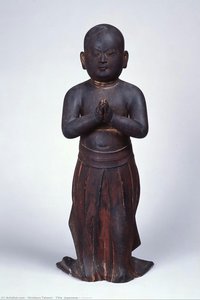
- Top-ranked work: Title (Japanese): 聖徳太子立像(重美)
- Also known as: Hiroharu Takami 高見宏治
Quiz d'arte
Per ogni domanda è presente una sola risposta corretta.
Domanda 1:
Chi è Hiroharu Takami?
Domanda 2:
Dove è nato Hiroharu Takami?
Domanda 3:
Quale professione aveva Hiroharu Takami prima di diventare scrittore?
Domanda 4:
Da quale competizione letteraria Battle Royale è stata rifiutata nel 1997?
Domanda 5:
Qual è il titolo del romanzo più famoso di Hiroharu Takami?
Articoli correlati

Timeless Elegance: Capturing the Spirit of Japanese Culture Through the Lens of Ukiyo-e Fine Art
Explore the profound beauty of Japanese Ukiyo-e art. Discover the legacy of Hokusai and the Utagawa school through an expert exploration of Edo-period aesthetics, seasonal motifs, and the enduring global influence of Japan's 'Floating World' on fine art history.


Beyond the Great Wave: The High-Impact Visual Revolution of Japanese Landscape Art
Go beyond Hokusai's Great Wave. Explore the high-impact, graphic world of Japanese Ukiyo-e landscapes and urban prints. Discover how these bold, vibrant woodblock masterpieces continue to shape modern pop culture and contemporary design aesthetics.
Floating Worlds: The Captivating Magic and Timeless Legacy of Japanese Ukiyo-e Art
Explore the ephemeral beauty of Japanese Ukiyo-e art. From the dynamic warriors of Kuniyoshi to serene landscapes, discover the profound history, masterful techniques, and global influence of these iconic woodblock prints in our deep cultural retrospective.