A Northern Sanctuary of Art: Discovering the Arkhangelsk Regional Museum of Fine Arts
Nestled in the historic city of Archangelsk, where the Northern Dvina River meets the White Sea, lies a cultural treasure trove – the Arkhangelsk Regional Museum of Fine Arts. More than just a repository of artworks, this institution is a gateway to understanding the soul of Russia’s North, a region steeped in history, folklore, and an enduring artistic spirit. Founded with the intention of preserving and showcasing the unique heritage of the area, the museum has blossomed into a vital cultural hub, drawing visitors into a world where ancient traditions meet innovative expression. The very air within its walls seems to whisper tales of explorers, merchants, and artists who have shaped this captivating corner of Russia.
A Tapestry Woven Through Time: Collection Highlights and Artistic Traditions
The museum’s collection, numbering over 30,000 pieces, is remarkably diverse yet united by a strong sense of regional identity. At its core lie treasures born from centuries of Orthodox Christian faith—ancient icons and religious artifacts that illuminate Russia's spiritual heritage. These aren’t merely devotional objects; they are masterpieces of craftsmanship, imbued with symbolism and painted with a reverence that transcends time. Consider the intricate detailing on icons depicting saints—each brushstroke meticulously placed to convey divine grace and spiritual contemplation. Alongside these sacred works reside captivating landscape paintings, capturing the raw beauty and often austere grandeur of the Arkhangelsk region – vast forests, winding rivers, and the ever-present expanse of the northern sky. Artists like Ivan Kramskoi skillfully utilized muted colors and atmospheric perspective to depict the solemn majesty of the boreal wilderness, reflecting the spiritual ethos of the era. But it is perhaps the museum’s renowned collection of Kholmogory bone carvings that truly distinguishes it from others—a testament to an extraordinary level of skill and artistry. Originating from the historic town of Kholmogory, these intricate creations transform humble materials into objects of delicate beauty and narrative power. The carvings often depict scenes from folklore, religious stories, or everyday life, offering a fascinating window into the beliefs and customs of the Russian North. These carvings are more than just decorative; they embody a tradition passed down through generations, reflecting the artistic sensibilities of a people deeply connected to their environment. Recent research has focused on analyzing pigments used in landscape paintings—revealing surprising connections between European artistic techniques and indigenous traditions.
A Building That Speaks Volumes: Architecture and Atmosphere
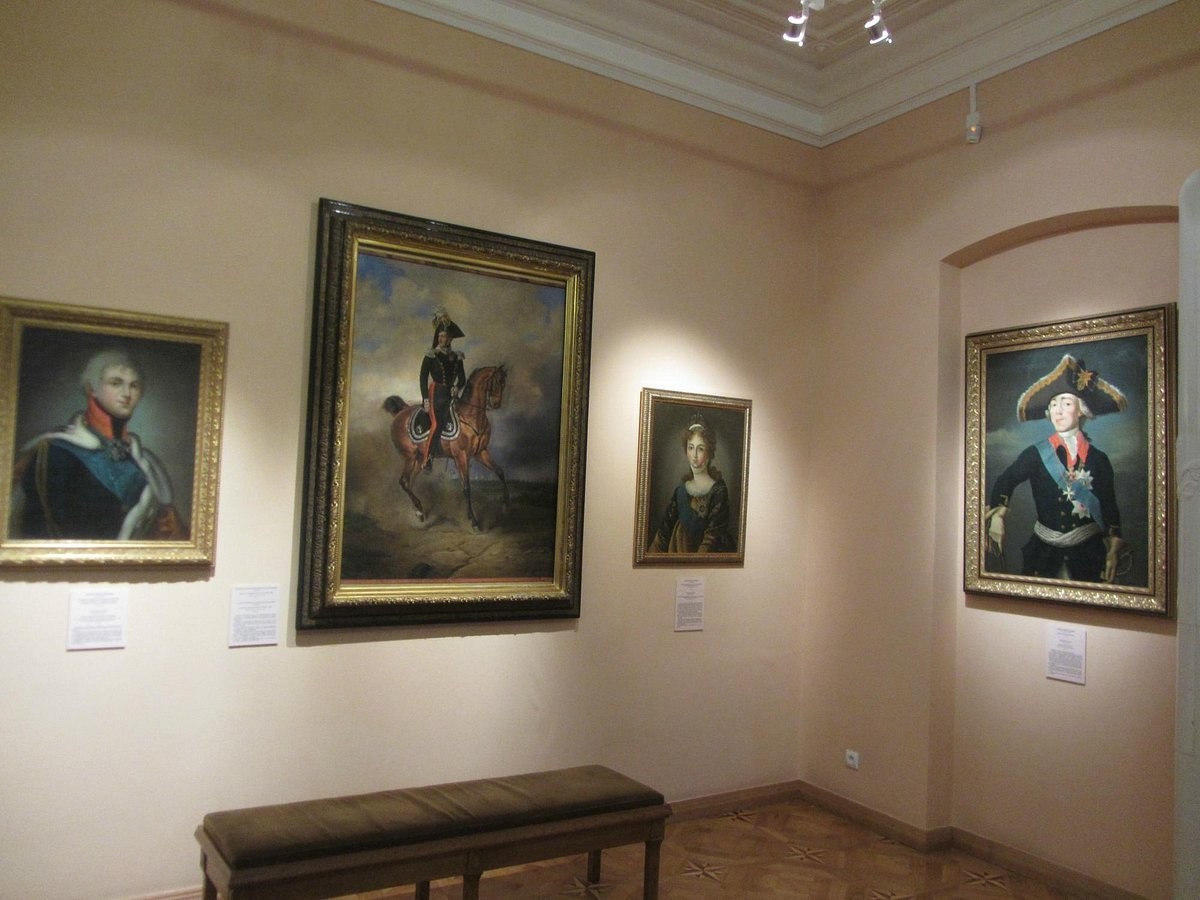
The museum itself is housed within a historic building that embodies the architectural traditions of Russia. Constructed in the late 19th century, the edifice stands as a testament to Imperial grandeur and artistic patronage. Its spacious galleries provide an inviting environment for contemplation, while serene courtyards offer moments of respite and connection with nature. The architecture isn’t merely a container for art; it actively contributes to the visitor experience, creating an atmosphere of reverence and historical immersion. Sunlight streams through arched windows illuminating masterpieces from across centuries—a deliberate design choice intended to foster appreciation for artistic heritage. Walking through its halls feels like stepping back in time, allowing one to fully appreciate the continuity between the artistic legacy preserved within and the cultural landscape that inspired it.
A Legacy Rooted in Preservation: History and Evolution
Founded with a singular purpose – safeguarding the artistic heritage of Archangelsk – the museum’s story is marked by resilience and unwavering dedication. From its modest beginnings as an exhibition showcasing local industries, through periods of upheaval during the Soviet era—including wartime evacuations—the institution has consistently served as a beacon of cultural preservation. Remarkably, curators painstakingly documented each artwork, ensuring its survival amidst turbulent times. The collections endured evacuation during World War II, returning safely to continue their role in educating and inspiring generations. Today, the museum continues to evolve, hosting temporary exhibitions that showcase both regional talent and works from across Russia and beyond. It remains committed to research and scholarship, deepening our understanding of the art and culture of the Russian North.
A Singular Vision: What Sets Arkhangelsk Apart
What distinguishes the Arkhangelsk Regional Museum of Fine Arts is its unwavering focus on northern Russian art and crafts—a distinctive aesthetic born from a profound connection with the region’s environment and cultural history. Artists like Nikolai Dmitrievich Kondakov captured the ethereal beauty of the White Sea landscape with masterful brushstrokes—a testament to the enduring influence of Northern Romanticism. For art lovers seeking something beyond the familiar, for collectors drawn to rare and exquisite craftsmanship, and for interior designers searching for pieces that evoke a sense of timeless elegance and regional character, the Arkhangelsk Regional Museum of Fine Arts offers an unforgettable journey into the heart of Russia’s artistic soul—a sanctuary where beauty transcends time and tradition illuminates the spirit.