

Una Finestra sull'Anima del Nottinghamshire
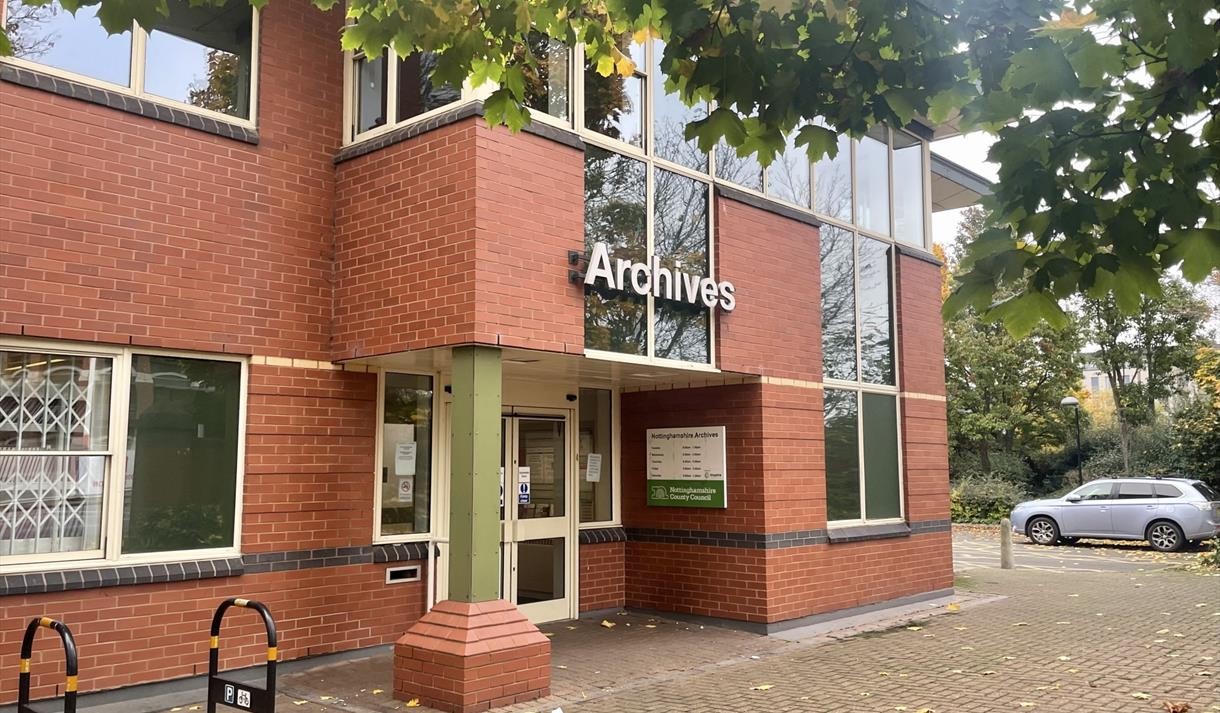
Varcare la soglia degli Nottinghamshire Archives significa attraversare un confine tra il ritmo frenetico della moderna Nottingham e un santuario profondo e silenzioso, dove il tempo stesso sembra sospendersi. Situata nel cuore della città, questa istituzione è molto più di un semplice deposito di carta e inchiostro; è una testimonianza viva e pulsante del potere duraturo della narrazione umana. Gli archivi fungono da scrigno per la memoria collettiva della contea, preservando i delicati fili dell'identità che sono stati intrecciati attraverso secoli di lotte, trionfi e vita quotidiana. Per l'amante dell'arte o lo storico, la collezione offre un'intimità senza pari, permettendo di toccare il battito stesso dell'evoluzione del Nottinghamshire.
La vera magia degli archivi risiede nel loro straordinario assemblaggio di materiali, dove ogni documento funge da pennellata in un ritratto storico molto più ampio. Tra queste mura, si può incontrare la meticolosa calligrafia dei privilegi medievali, che dettagliano antiche dispute fondiarie con una gravità che trascende il tempo, o imbattersi nella commovente corrispondenza manoscritta dei cittadini vittoriani, che offre una finestra sui paesaggi emotivi di un'epoca passata. Per coloro che sono attratti dalla stirpe di persone e luoghi, i registri parrocchiali rappresentano una miniera d'oro genealogica, fornendo i dettagli precisi necessari per ricostruire le storie familiari con una precisione mozzafiato. Questa collezione non riguarda solo i fatti; riguarda le trame della vita: il profumo della pergamena invecchiata e il peso di eredità preservate contro l'erosione dell'oblio.
Reverenza Architettonica e Viaggi Curati
L'architettura degli archivi accresce ulteriormente questo senso di reverenza accademica. Riflettendo le sensibilità estetiche della tarda epoca vittoriana, l'edificio presenta un'eleganza sobria che invita alla quieta contemplazione. La sua solida muratura in mattoni e i soffitti altissimi sono progettati per ispirare stupore, creando un'atmosfera in cui la grandezza del passato si percepisce fisicamente presente. Questa eredità architettonica fornisce un palcoscenico dignitoso per il contesto storico della regione, dagli insediamenti romani primordiali ai momenti cruciali della conquista normanna. Non ci si può esimere dal sentire gli echi della storia tra le sue sale, proprio come “View from Nottingham Castle” di John Rawson Walker cattura la grandezza atmosferica del paesaggio attraverso una lente romantica.
Oltre ai suoi possedimenti permanenti, gli archivi ospitano frequentemente mostre che illuminano aspetti specifici e vibranti del patrimonio locale. Questi percorsi curati hanno esplorato tutto, dall'ingegno industriale della rinomata industria del pizzo di Nottingham ai complessi e mutevoli paesaggi culturali plasmati dalle migrazioni. Tali esposizioni trasformano l'archivio da una camera statica in un dinamico catalizzatore culturale. Che si stia esplorando la serena nostalgia rurale presente in “Windmills on Nottingham Forest” di Henry Smyth o la bellezza naturale panoramica ritratta in “Nottingham Meadows from the Rock Cliff” di Richard Parkes Bonington, gli archivi forniscono il contesto essenziale che infonde vita a queste visioni artistiche. È questa capacità unica di colmare il divario tra la tangibile documentazione storica e il potere evocativo dell'arte a rendere i Nottinghamshire Archives una destinazione indispensabile per ogni cercatore di verità e bellezza.