Una Sinfonia Barocca tra Pietra e Stucco
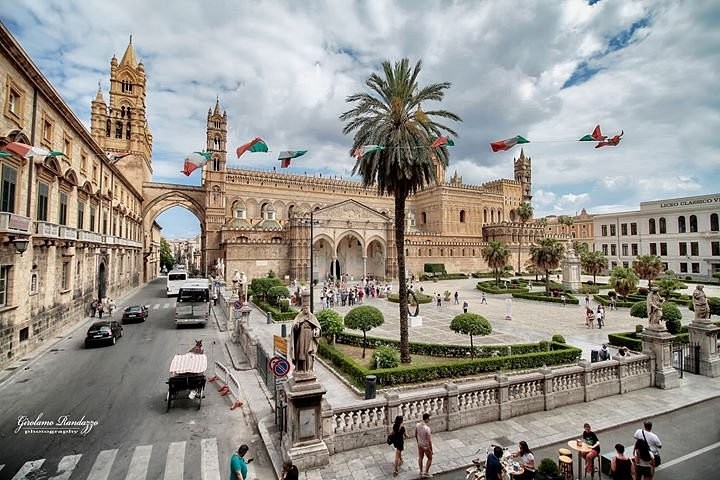
Nel cuore vibrante e inondato dal sole di Palermo, dove gli antichi echi del Cassaro incontrano la gravità spirituale della Cattedrale, giace un capolello nascosto della grandezza siciliana: Palazzo Asmundo . Questa residenza aristocratica del tardo Barocco è molto più di un semplice reperto architettonico; è una cronaca vivente di nobiltà, resilienza e trionfo artistico. Concepito originariamente nel 1615 per il Dottor Baliana, il palazzo ha attraversato un'evoluzione trasformativa durata oltre un secolo, raggiungendo finalmente la sua magnifica completezza nel 1767 sotto il lungimirante patrocinio di Giuseppe Asmundo. Varcare la sua soglia significa lasciare alle spalle il moderno fermento di via Vittorio Emanuele per entrare in un regno dove l'opulenza dell'aristocrazia siciliana rimane preservata in ogni dettaglio dorato e in ogni rilievo scolpito.
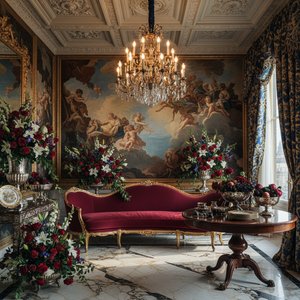
L'architettura del palazzo funge da palcoscenico drammatico per il gioco di luci e ombre, marchio distintivo dello spirito Barocco. La sua facciata, situata con sorprendente importanza vicino a Piazza Pretoria, presenta una mozzafiato giustapposizione di solennità religiosa e ambizione architettonica. All'interno, l'atmosfera muta dal monumentale all'intimo, mentre i visitatori vengono avvolti da un interno che respira l'arte dell'epoca. Le pareti sono adornate da squisiti stucchi, eseguiti dai talentuosi seguaci di Giacomo Serpotta . Questi intricati rilievi, che raffigurano scene mitologiche e figure allegoriche, possiedono una qualità delicata ed eterea che trasforma la pietra solida in qualcosa di apparentemente fluido e vivo, riflettendo il fervore intellettuale e gli ideali umanistici della Sicilia del XVIII secolo.
L'Luminosa Eredità di Martorana
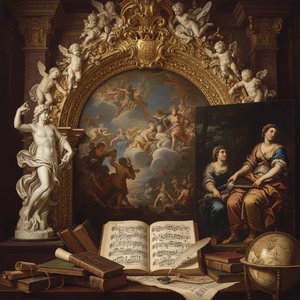
Sebbene gli stucchi conferiscano una profondità tattile alle stanze, sono gli affreschi dei soffitti a comandare veramente l'anima. L'interno del palazzo è onorato dalla mano magistrale di Gioacchino Martorana , un pittore il cui lavoro ha consolidato la reputazione di Palermo come centro primario per l'eccellenza Barocca. Le sue tele, intrecciate nella trama stessa dell'architettura, raffigurano narrazioni bibliche con una tavolozza luminosa e composizioni drammatiche che catturano l'essenza della luce divina. Per l'amante dell'arte, questi affreschi offrono un profondo coinvolgimento con l'iconografia religiosa; per il designer d'interni, rappresentano l'apice della narrazione decorativa, dove ogni pennellata contribuisce a un ambiente di splendore coeso e immersivo.
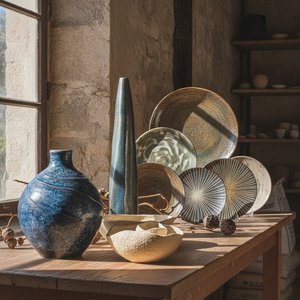
Oltre la grandezza delle sue pareti, Palazzo Asmundo custodisce una collezione eclettica e profondamente personale accumulata dalla famiglia Martorana. Questo tesoro offre una finestra sui gusti raffinati dell'élite siciliana, fondendo l'arte alta con reperti storici. I visitatori possono passeggiare in un mondo curato di ceramiche siciliane —pezzi che mostrano motivi regionali risalenti a millenni fa—e ammirare delicati esemplari di porcellana che riflettono le più ampie influenze europee dell'epoca. La collezione è ulteriormente arricchita da una affascinante esposizione numismatica, dove monete che recano i ritratti di sovrani ormai dimenticati offrono un legame tangibile con le correnti economiche e politiche che hanno plasmato la storia dell'isola.
Un Santuario di Storia e Memoria
Ciò che distingue veramente Palazzo Asmundo da molti musei d'Italia è la sua narrazione struggente e stratificata. Il palazzo non è stato solo un testimone della storia; ne è stato un protagonista. Un capitolo notevole della sua eredità include il suo ruolo di alloggio reale durante l'era napoleonica, ospitando specificamente la figlia di Re Ferdinando I delle Due Sicilie dopo l'esilio da Napoli nel 1806. Questa infusione di dramma politico nello spazio domestico conferisce al palazzo un senso di malinconia e importanza quasi palpabile, rendendo ogni corridoio simile a un passaggio attraverso il tempo.
Oggi, in quanto museo privato e spazio espositivo, il palazzo continua a servire come vitale arteria culturale per Palermo. Rimane una destinazione dove gli appassionati di storia possono tracciare lo sviluppo urbano attraverso antiche mappe e cartoline, e dove i collezionisti possono trovare ispirazione nella bellezza duratura dell'artigianato mediterraneo. Che si sia attratti dalla maestosità architettonica, dalla profondità spirituale degli affreschi o dai segreti sussurrati del suo passato reale, Palazzo Asmundo si erge come una testimonianza impareggiabile dell'anima eterna della Sicilia.