Un'eredità sacra nella pietra
La chiesa parrocchiale
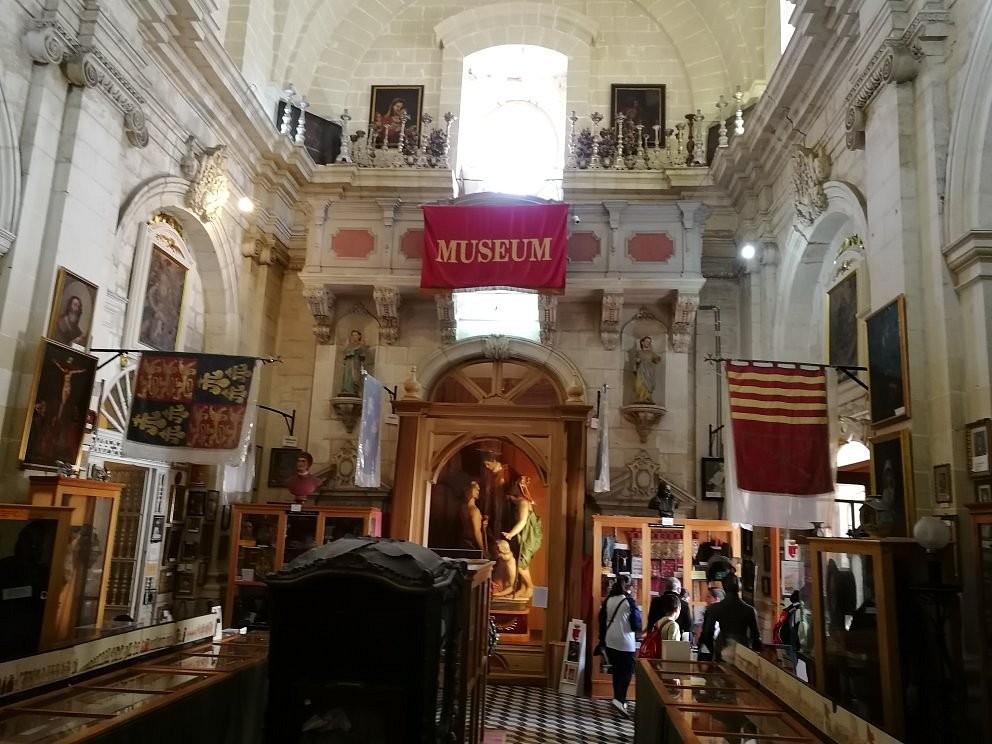
di Daroca si erge come una profonda testimonianza dello spirito incrollabile della fede e della storia stratificata della Spagna. Situato nell'antica provincia di Saragozza, questo luogo sacro è molto più di un semplice luogo di culto; è una cronaca vivente del complesso passato della regione. L'architettura stessa narra una storia di trasformazione, in cui le ossa di una struttura romanica del XII secolo rimangono visibili nell'abside principale, nonostante la chiesa si sia evoluta attraverso i secoli. Entrando, il peso della storia diventa palpabile, fondendo la robusta forza delle fondamenta medievali con l'eleganza raffinata delle epoche successive. La transizione dalle tradizioni romaniche a quelle rinascimentali e gotiche crea uno spazio in cui il tempo sembra ripiegarsi su se stesso, offrendo un santuario che è allo stesso tempo radicato nella terra e proteso verso il divino.
Il miracolo e l'arte
Oltre la sua grandezza strutturale, la chiesa è un sito di immensa importanza spirituale, celebre per il
miracolo eucaristico dei Corporali
avvenuto nel 1239. Questo evento, in cui le Ostie consacrate furono ritrovate macchiate di sangue nel caos del conflitto, ha imbevuto lo spazio di un'aura di profondo mistero e riverenza. L'arte custodita all'interno della chiesa riflette questo patrimonio miracoloso, in particolare attraverso la sua magnifica serie di opere sacre. I visitatori possono incontrare:
-
Un raro
retablo in pietra gotico francese
del XV secolo che adorna l'abside con dettagli intricati.
-
La
Puerta del Perdón
, un maestoso ingresso che funge da soglia verso il sacro interno.
-
Una collezione di preziosi reliquiari e opere d'arte raccolte specificamente a causa dell'importanza del miracolo eucaristico.
Per l'amante dell'arte o per lo storico, la chiesa offre un'esperienza immersiva in cui i confini tra architettura, reliquia e rituale si dissolvono. L'interazione della luce sulla pietra antica e la presenza di un peso storico così significativo rendono questa chiesa parrocchiale una destinazione singolare per coloro che cercano di toccare il cuore pulsante della devozione aragonese.