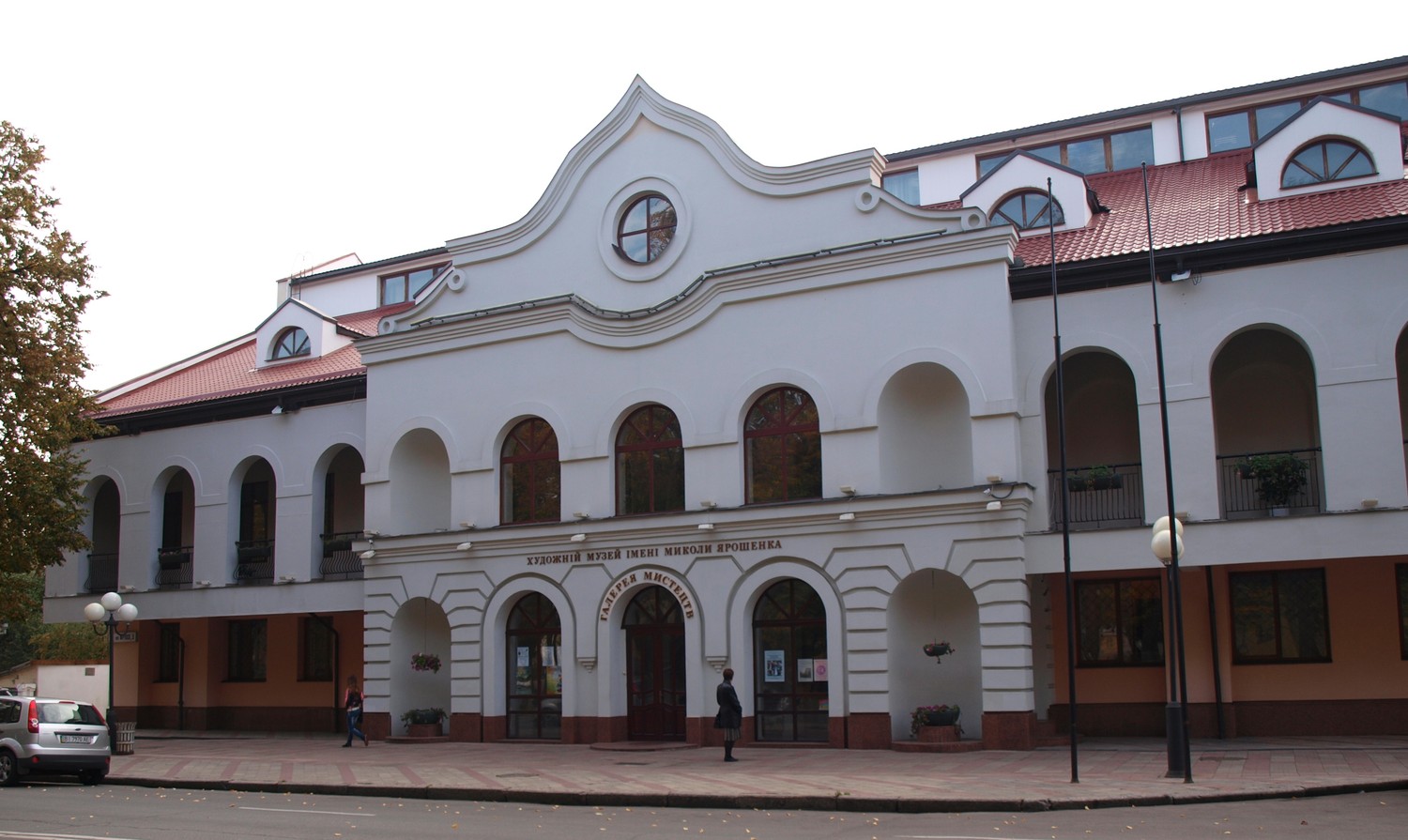
Museo Regionale d'Arte di Poltava

Informazioni essenziali

  • Alternate names:
    • Полтавський художній музей
    • Poltava Art Museum
    • Museo Regionale dArte di Poltava
    • PAM
  • Featured artists:
    • nikolai aleksandrovich yaroshenko
    • vasily maximov
  • Location: Poltava, Ucraina
  • Works on APS: 6

Quiz d'arte

Per ogni domanda è presente una sola risposta corretta.

Domanda 1:
Qual movimento artistico è associato alla fondazione del Museo d'Arte di Poltava?
Domanda 2:
Chi ha donato la collezione personale di Nikolai Yaroshenko alla sua città natale?
Domanda 3:
Qual stile architettonico caratterizza l'edificio che attualmente ospita il Museo d'Arte di Poltava?
Domanda 4:
Quale artista è famoso per il suo ritratto con sua moglie e affascinanti paesaggi caucasici?
Domanda 5:
La collezione etnografica del museo mostra le tradizioni culturali della regione di Poltava:

A Legacy of Artistic Vision: Exploring the Poltava Regional Art Museum

The Poltava Regional Art Museum stands as a testament to Ukraine’s enduring artistic spirit—a beacon illuminating the path through centuries of cultural evolution. Situated in the heart of Poltava, itself steeped in history as the birthplace of Ukrainian Romanticism and the site of Napoleon's devastating siege, this museum isn’t merely a repository of artworks; it’s a living chronicle of artistic movements and national identity. Founded in 1917 with a generous bequest from Nikolai Yaroshenko—a pivotal figure in the Itinerants movement—the museum began its journey as “The Museum of Arts,” embodying the fervent idealism of its inaugural era.

Origins Rooted in Romanticism: The Founding Vision

Yaroshenko’s gift, comprising his personal collection and a profound dedication to preserving artistic heritage, established a bedrock upon which Mikhail Rudynsky built the institution's foundation in 1919. Initially focused on showcasing Yaroshenko’s oeuvre alongside works by fellow Itinerants—artists who championed realism and emotional expression—the museum quickly broadened its scope, reflecting the dynamism of the interwar years. The early collection prioritized landscapes imbued with Romantic fervor, capturing the grandeur of Ukrainian wilderness and conveying a deep connection to the land's soul. These canvases – notably Shishkin’s “Pine Forest” – exemplify the movement’s preoccupation with sublime beauty and the artist’s role as interpreter of nature’s majesty. This initial artistic impulse continues to resonate within the museum’s core identity, reminding visitors of a formative period in Ukrainian art history.

A Diverse Collection Reflecting Artistic Crossroads

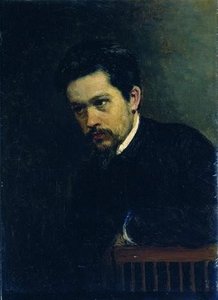
Today, the Poltava Art Museum boasts an astonishingly varied collection—a kaleidoscope of styles spanning Ukrainian art, Russian art from the 19th and 20th centuries, and significant pieces of Western European art. Among its treasures are monumental works by Giovanni Battista Tiepolo and Peter Paul Rubens – though sadly diminished due to wartime losses – alongside canvases by Ilya Repin (“Boris Godunov”) and Vasily Maksimov (“The Volga Boatmen”). The museum’s collection also includes masterpieces from the Impressionist movement, demonstrating Ukraine's engagement with European artistic trends. Furthermore, a dedicated room honors Nikolai Yaroshenko himself, featuring his iconic self-portrait alongside breathtaking depictions of Caucasian landscapes – an embodiment of Romantic idealism. This multifaceted panorama underscores the museum’s commitment to presenting art history in its broadest possible context.

Architectural Elegance: The Zemstvo Building’s Artistic Soul

The museum's current home is housed within a building originally conceived as a Zemstvo (regional government) edifice in 1903–1908, designed by Vasyl Krychevsky—a landmark of Ukrainian Art Nouveau architecture. This ornate structure exemplifies the stylistic trends prevalent at the time, characterized by flowing lines, floral motifs, and intricate ornamentation. The building’s façade speaks volumes about the aspirations of its era – a desire for beauty and grandeur that finds expression in every detail, from stained glass windows to sculpted reliefs. Krychevsky's vision prioritized harmony between form and function, creating an interior space that fosters contemplation and celebrates artistic craftsmanship. It serves as an integral part of the museum’s narrative, reminding visitors of the broader cultural context within which Ukrainian art flourished.

Beyond Preservation: Exhibitions and Ongoing Engagement

The Poltava Art Museum actively engages with contemporary audiences through thoughtfully curated exhibitions that illuminate connections between past and present artistic practices. These events explore themes ranging from Ukrainian national identity to explorations of color theory and artistic technique, fostering dialogue and enriching visitors’ understanding of art history. Moreover, educational programs cater to students and scholars alike, ensuring that the legacy of Ukrainian artistic heritage continues to inspire future generations. The museum's ongoing commitment to scholarship and outreach solidifies its position as a vital cultural institution—a place where beauty inspires reflection and knowledge expands horizons.
  • Visit: https://en.wikipedia.org/wiki/Poltava_Art_Museum
  • Explore Ukrainian & Foreign Art
  • Ethnographic Collection – Poltava Region Traditions

Elenco delle opere d'arte

Nessuna opera trovata.

© 2026 mus3ums.com