
Una Finestra sull'Anima Antica di Easter Ross
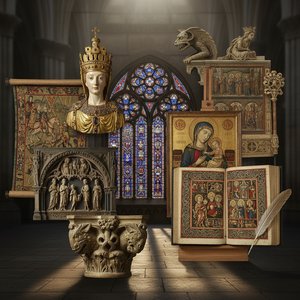
Immersa nel cuore storico di Inverness, la Tain Council Chamber si erge come una profonda testimonianza dello spirito resiliente della storia scozzese. È molto più di un semplice deposito di reperti; è una cronaca vivente di Tain, il borgo reale più antico della Scozia, fondato nel 1066. Varcare la soglia di questo spazio intimo significa entrare in un regno dove il passato medievale respira accanto al presente, profondamente intrecciato con le tradizioni di pellegrinaggio che un tempo onoravano San Duthac. La camera funge da ponte sacro verso un'epoca di fervore spirituale, offrendo ai visitatori uno sguardo senza pari sull'anima di Easter Ross e sulla sua duratura connessione con il più ampio panorama religioso europeo.
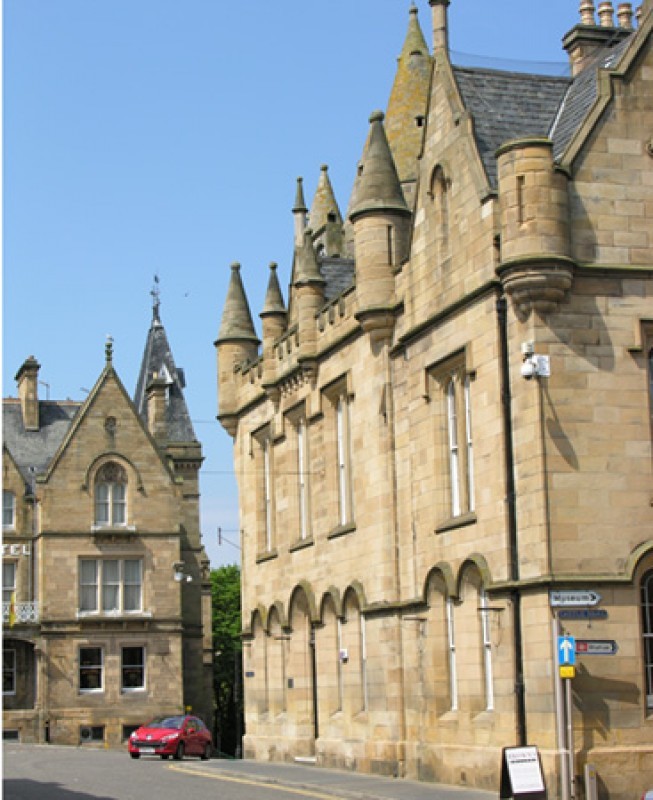
L'architettura della Council Chamber stessa offre un legame tangibile con la leggendaria eredità di Tain. Sebbene gran parte della sua precisa storia architettonica rimanga avvolta nel silenzioso mistero tipico delle antiche strutture delle Highlands, l'atmosfera è intrisa di una grandiosità discreta. Le pareti in pietra sembrano sussurrare racconti di privilegi reali e del calpestio dei pellegrini medievali. Questo senso di peso storico è ulteriormente arricchito dalla capacità della sala di ospitare dialoghi contemporanei, come mostre che esplorano la genealogia del Clan Ross e il folklore locale. Accostando questi tesori storici a interpretazioni moderne — incluse prospettive comparative su opere come la “Council Chamber” di Pieter de Hooch o “The Ruined Council Chamber” di John Piper — lo spazio crea un dialogo sofisticato tra diverse epoche della cultura visiva.
La Serie Tain Through Time: Ritratti e Paesaggi
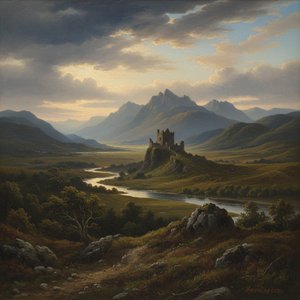
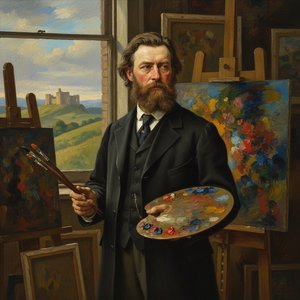
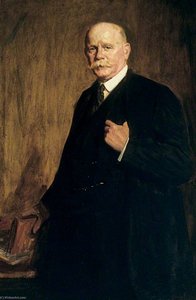
Il cuore del fascino della camera risiede nella sua magnifica serie “Tain Through Time” . Questa collezione di dipinti a olio è una lezione magistrale sull'identità locale, presentando una doppia narrazione fatta di leadership e paesaggio. Per l'amante dell'arte e il collezionista, queste tele offrono un ricco arazzo di tecniche, che spaziano dal ritratto classico a interpretazioni più atmosferiche ed emotive della natura selvaggia scozzese.
La galleria ospita due elementi tematici distinti ma armoniosamente connessi:
- Ritratti Evocativi: La collezione presenta i ritratti degli ex Provost, i cui volti fungono da sentinelle silenziose della governance locale e del dovere civico. Queste opere catturano l'essenza stessa di coloro che guidarono il borgo attraverso momenti storici cruciali.
- Paesaggi Aspri: Viste spettacolari ritraggono i loch sereni e le colline drammatiche di Easter Ross. Questi dipinti utilizzano una diversità stilistica che riflette secoli di tendenze artistiche in evoluzione, catturando la bellezza mozzafiato della regione.
Ciò che distingue veramente la Tain Council Chamber è la sua profonda intimità e il suo impegno verso l'autenticità. In un'epoca di grandi spettacoli impersonali, questo spazio sceglie la via della connessione personale, dando priorità alla preservazione dell'identità locale rispetto alla pura grandezza dimensionale. Rimane un partecipante attivo nella vita culturale delle Highlands, invitando storici e designer a confrontarsi con una storia che è allo stesso tempo profondamente personale e universalmente affascinante.