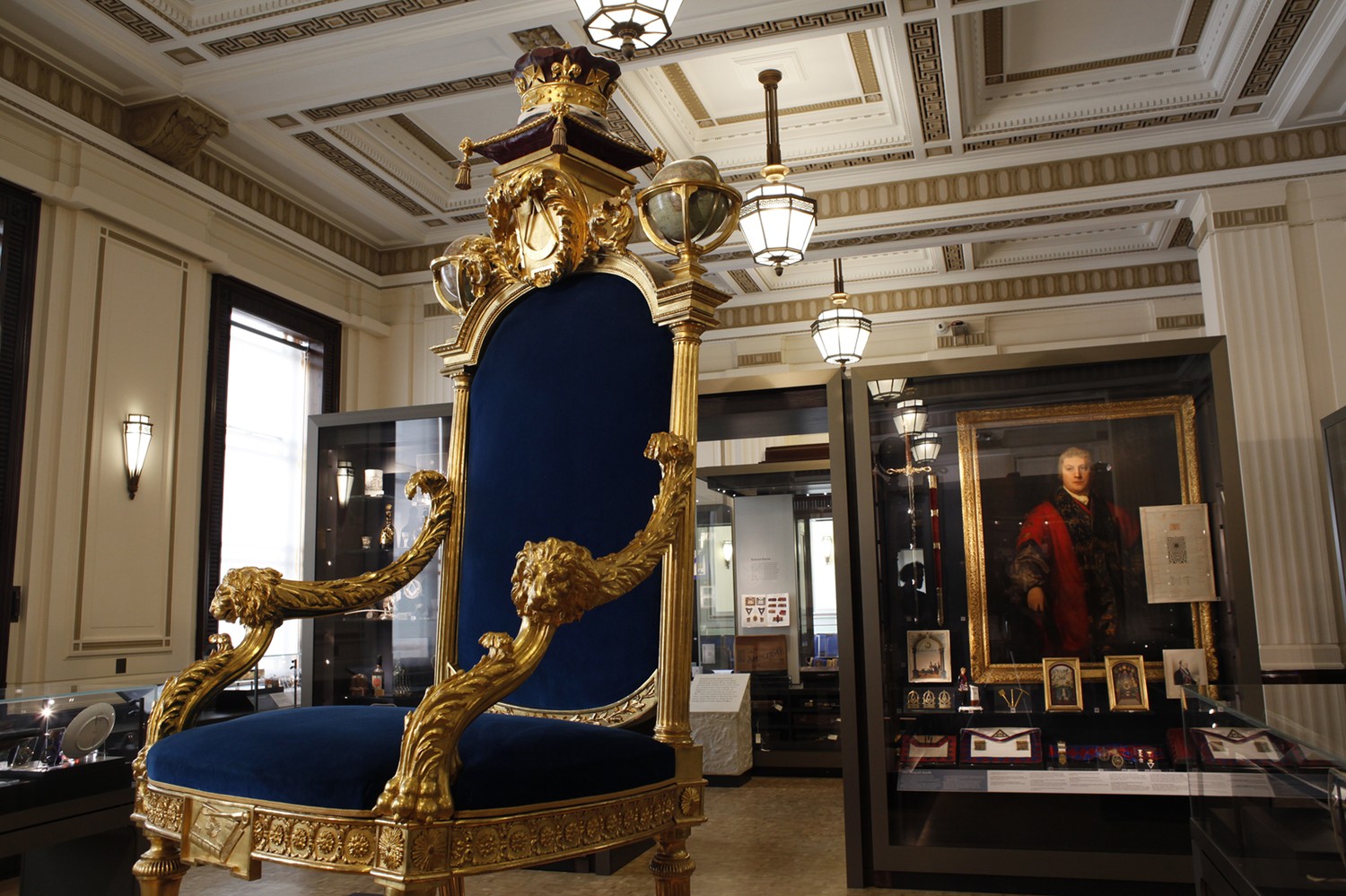
La Biblioteca e il Museo di Massoneria

Informazioni rapide

  • Mediums: acrilico su tela
  • Movements:
    • romanticismo
    • victorian realism
  • Works on APS: 52
  • Alternate names:
    • La Biblioteca e il Museo di Massoneria
    • Museo della Massoneria
    • Freemasons Hall
  • Espandi dettagli…
  • Location: Londra, United Kingdom
  • Featured artists:
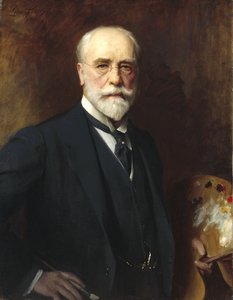
    • Samuel Luke Fildes
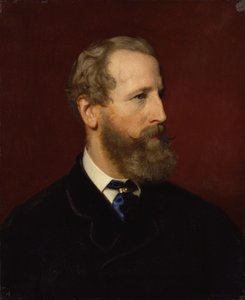
    • Stephen Pearce
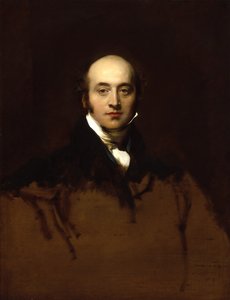
    • Sir Thomas Lawrence
    • Sir William Beechey
    • chevalier louis william desanges
  • Art types: opere da parete

A Sanctuary of Secrets: Exploring The Library And Museum of Freemasonry

Nestled in the heart of London, a world away from the bustling streets, lies The Library And Museum of Freemasonry – an institution that quietly safeguards centuries of history, symbolism, and artistry. More than just a repository of artifacts, it’s a portal into the enigmatic realm of one of the world's oldest fraternal organizations, offering visitors a rare glimpse behind the veil of Masonic tradition. The museum isn’t merely *about* Freemasonry; it embodies its spirit – a dedication to knowledge, craftsmanship, and the pursuit of enlightenment. A Legacy Etched in Stone: Architectural Grandeur and Historical Significance The building itself, Freemasons' Hall, is a testament to Masonic grandeur. Completed in 1933, this Art Deco masterpiece provides a fitting architectural frame for the mysteries within. Its imposing facade – crafted from Portland stone – rises majestically above Great Queen Street, reflecting the ambition and enduring values of its founders. Designed by Henry Victor Ashley and F. Winton Newman, the Hall’s symmetrical design incorporates geometric patterns and stylized ornamentation characteristic of the Art Deco movement, symbolizing harmony and order—principles central to Masonic philosophy. The interior spaces are equally impressive, featuring soaring ceilings adorned with intricate plasterwork and illuminated by stained glass windows depicting biblical scenes and Masonic symbols. These elements contribute to an atmosphere of solemn contemplation, inviting visitors to immerse themselves in the history of Freemasonry. Notably, the Hall’s location was deliberately chosen—adjacent to Westminster Abbey—a site steeped in royal tradition and representing Britain's spiritual heritage. This juxtaposition underscores Freemasons’ commitment to civic responsibility and their role as guardians of cultural values. A Treasure Trove of Masonic Artifacts: Illuminating Ritual and Symbolism The museum’s collection is remarkably diverse, encompassing ceremonial regalia that shimmers with intricate embroidery and symbolic detail. These aren’t simply costumes; they are visual narratives, each emblem and color imbued with layers of meaning understood by initiates. Among the most captivating pieces are Second Degree Tracing Boards—elaborate diagrams depicting Masonic teachings—executed with meticulous precision using pigments derived from natural sources. Alongside these visual representations of Masonic principles reside artifacts reflecting the daily life of Freemasons throughout history: antique clocks bearing Masonic insignia, exquisitely crafted silver tableware commemorating lodge events, and rare ceramics adorned with Masonic emblems. The museum’s curators have painstakingly documented each item, providing detailed descriptions and contextual information that illuminate the significance of Masonic symbolism. Visitors can marvel at regalia crafted from silk and gold—symbols of nobility and spiritual aspiration—and examine documents penned by prominent Freemasons, offering insights into their intellectual pursuits and social engagements. Exploring Masonic History Through Exhibitions: A Journey Through Time The Museum of Freemasonry distinguishes itself not only through its collection but also through its commitment to accessibility and education. Recent exhibitions have explored the role of Freemasons in shaping British society during the Victorian era, highlighting their contributions to philanthropy and artistic patronage—particularly their involvement in commissioning monumental sculptures by Auguste Rodin and Giovanni Fattori. These displays demonstrate that Freemasonry wasn’t merely a secretive brotherhood; it was an influential force driving cultural innovation and social reform. Interactive exhibits engage visitors with Masonic history, utilizing multimedia presentations and genealogical databases to trace the lineage of lodges across generations. Furthermore, ongoing research projects delve into unexplored aspects of Masonic lore—examining ancient texts and deciphering cryptic symbols—contributing to a deeper understanding of Freemasonry’s intellectual heritage. What Truly Sets The Library And Museum Apart: A Singular Vision of Knowledge and Craftsmanship What truly sets The Library And Museum of Freemasonry apart is its ability to offer exclusive insights into a society often shrouded in mystery. It’s a place where curiosity is rewarded, and preconceptions are challenged. Unlike many museums focused solely on material objects, this institution prioritizes the transmission of Masonic knowledge—preserving manuscripts documenting ritual practices and fostering scholarly dialogue about Masonic symbolism. The museum's dedication to preserving heritage ensures that Freemasonry’s legacy continues to inspire future generations. Visiting The Library And Museum of Freemasonry is more than just admiring beautiful artifacts; it’s embarking on a journey into the heart of Masonic tradition—a quest for understanding and appreciation of timeless values.

Quiz d'arte

Per ogni domanda è presente una sola risposta corretta.

Domanda 1:
Dove si trova The Library And Museum of Freemasonry?
Domanda 2:
L'edificio che ospita il museo, la Freemasons' Hall, è un esempio di quale stile architettonico?
Domanda 3:
Quale artista ha creato la Second Degree Tracing Board menzionata nella collezione?
Domanda 4:
In che anno è stato completato l'edificio della Freemasons' Hall?
Domanda 5:
I simboli del museo si basano principalmente sugli strumenti di quale gruppo di persone?
© 2026 mus3ums.com