
Salomeフランツ・フォン・シュトゥック · 1906
 Acrylic On Canvas
- WallArt
- German Symbolism
 1906
1906 92.0 x 114.0 cm
 レンバッハハウス
The Enigmatic Dance: Unveiling Franz Ritter von Stuck’s “Salome”
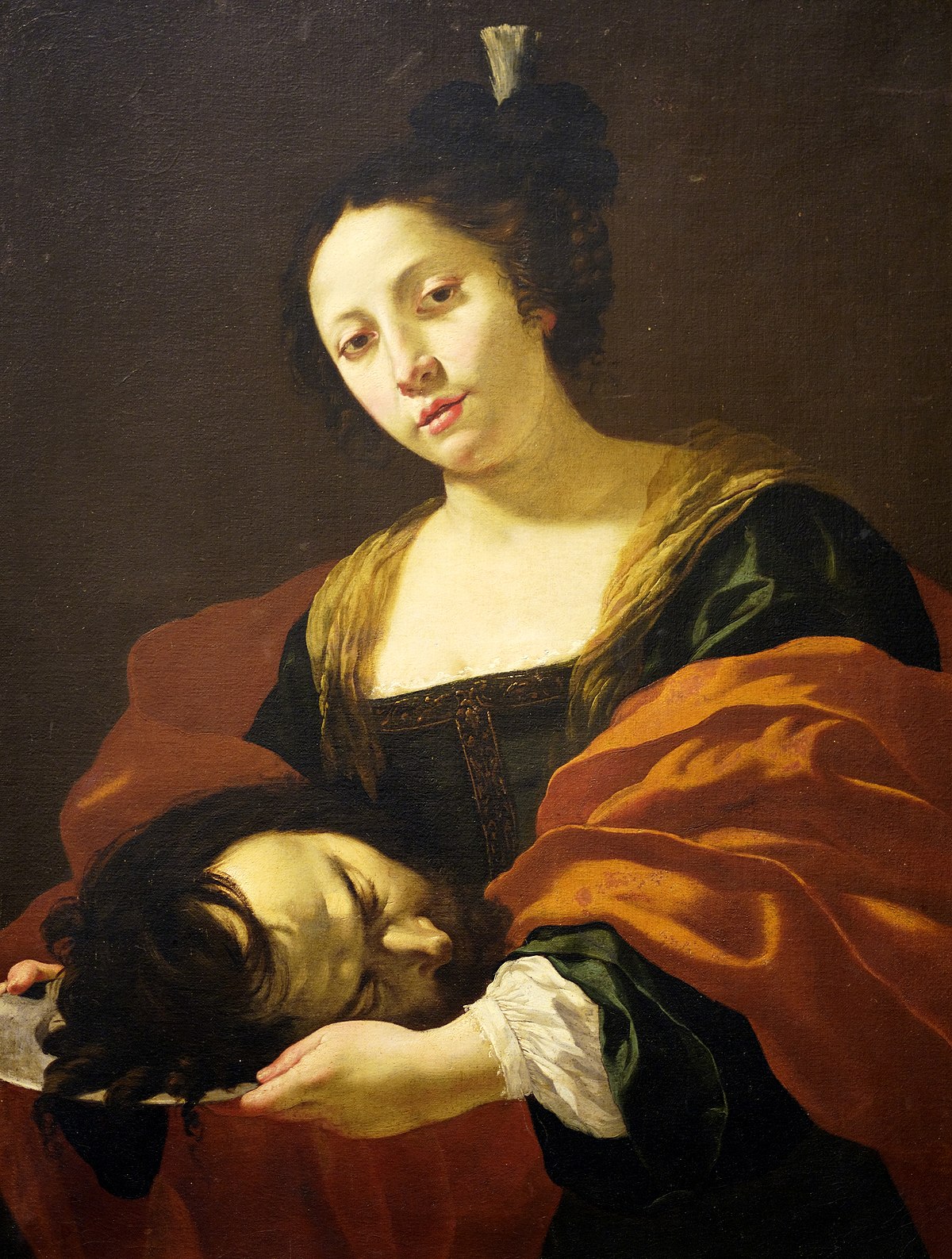
Franz Ritter von Stuck's 1906 painting, "Salome," is not merely a depiction of a biblical episode; it’s a profoundly unsettling and intensely symbolic exploration of desire, power, and the dark undercurrents of human nature. Emerging from the fertile ground of German Symbolism, Stuck masterfully blends classical precision with the dreamlike logic of the subconscious, creating an image that continues to captivate and disturb over a century later. The painting’s immediate impact lies in its dramatic composition – a carefully orchestrated tableau of figures poised on the precipice of violence and obsession. The scene unfolds within a shadowy, almost claustrophobic space, dominated by a towering, ornate architecture suggesting both opulence and impending doom. This isn't a straightforward narrative; it’s an atmosphere saturated with tension, inviting viewers to contemplate the motivations and fates of those involved.
A Symphony of Contrasts: Style, Technique, and Materiality
Stuck’s artistic style is immediately recognizable as a potent blend of Symbolism and Art Nouveau influences. The painting showcases his signature use of rich, jewel-toned colors – deep reds, emerald greens, and shimmering golds – applied with meticulous detail to create an opulent yet unsettling effect. His brushwork is deliberately expressive, employing visible strokes that contribute to the overall sense of drama and movement. Notice particularly the way he renders the textures: the velvet drapery, the polished surfaces of the architecture, and even the glistening skin of Salome herself – all are rendered with a tactile quality that draws the viewer into the scene. The painting was executed in oil on canvas, a medium that allowed Stuck to achieve both luminous color saturation and remarkable textural detail. The use of chiaroscuro—the dramatic contrast between light and shadow—further intensifies the emotional impact, highlighting key figures and obscuring others in an atmosphere of mystery and foreboding.
The Narrative Unfolds: Biblical Context and Symbolism
At its core, “Salome” depicts a pivotal moment from the New Testament – the fulfillment of Herodias’s vengeful plot against John the Baptist. However, Stuck doesn't offer a simple retelling of the story; instead, he delves into the psychological complexities of the characters and imbues the scene with layers of symbolic meaning. Salome herself is not portrayed as a seductive temptress but rather as a figure caught in a web of manipulation and driven by a primal desire for power. The presence of the dark servant, clutching John’s severed head on a platter, introduces an element of grotesque horror – a stark reminder of the brutal consequences of unchecked ambition. The architecture—a blend of Romanesque and Byzantine styles—suggests both grandeur and decay, mirroring the moral corruption at the heart of the narrative. The star-studded night sky serves as a backdrop to this drama, hinting at a realm beyond earthly concerns and perhaps suggesting a connection between life and death.
A “Prince of Art”: Stuck’s Legacy and Artistic Significance
Franz Ritter von Stuck was more than just an artist; he was a cultural phenomenon. Nicknamed the "Prince of Art" during his lifetime, he bridged the gap between academic tradition and the burgeoning currents of modernism. His work explored themes of sin, beauty, and the subconscious with a boldness and emotional intensity that resonated deeply with audiences at the turn of the 20th century. Villa Stuck, his own architectural masterpiece in Munich, stands as a testament to his artistic vision—a lavishly decorated space filled with sculptures, paintings, and intricate details reflecting his fascination with mythology, symbolism, and the darker aspects of human experience. “Salome” is arguably one of his most enduring works, demonstrating his mastery of dramatic composition, evocative color palettes, and profound psychological insight. It remains a powerful and unsettling image that continues to provoke discussion and inspire interpretation.
フランツ・フォン・シュトゥック(1863 – 1928)
ドイツ象徴主義の画家フランツ・フォン・シュトゥック。神話的で官能的な作品、ミュンヘン分離派での活躍で知られる。罪と美をテーマにした絵画は、見る者を魅了し続けています。
レンバッハハウス(ミュンヘン, ドイツ)
ミュンヘンのレナッハハウスを訪ねて:カンディンスキーやマルクなど、世界的に有名な「青騎士」の作品や19・20世紀の傑作が集結。歴史的なヴィラと現代建築が見事に融合した空間を探索しましょう。
この作品について
- 作品名: Salome
- 作家: フランツ・フォン・シュトゥック
- 制作年: 1906
- 原寸サイズ: 92.0 x 114.0 cm
- 形式: Square
- 著作権の状態: パブリックドメイン
- 展示場所: レンバッハハウス
- 動き: German Symbolism
- 技法・素材: Acrylic On Canvas
- 技法・素材: WallArt
作品情報
- Subject or theme: Biblical story, Temptation
- Movement: Symbolism
- Year: 1906
- Medium: Oil on canvas
- Location: Städtische Galerie im Lenbachhaus
- Influences: Arnold Böcklin
よくあるご質問
「Salome」は、どのような色調に寄っていますか?
フランツ・フォン・シュトゥック作「Salome」の主要な色調はGreen to Violet Spectrumです。この色調は、パレットの基調となるトーンを形作っています。
フランツ・フォン・シュトゥックによる「Salome」は、どの程度知られていますか?
フランツ・フォン・シュトゥック作「Salome」 の人気度は Recognized です。この分類は、その作品がどの程度広く知られているかを表しています。
「Salome」における光と影のバランスは、どのように表現されていますか?
「Salome」の全体的な明るさはdeep_shadowで、輝度はDarkです。