A Sanctuary of Stone and Spirit
Within the formidable, sun-drenched walls of Ávila, where history is etched into every granite block, lies a sanctuary that transcends the boundaries of a mere museum. The Ávila
Cathedral Museum is not simply a repository for relics; it is an immersive pilgrimage through the soul of medieval Castile. As one enters this
Gothic masterpiece, the heavy shadows of the Romanesque era seem to give way to a celestial brilliance, filtered through soaring
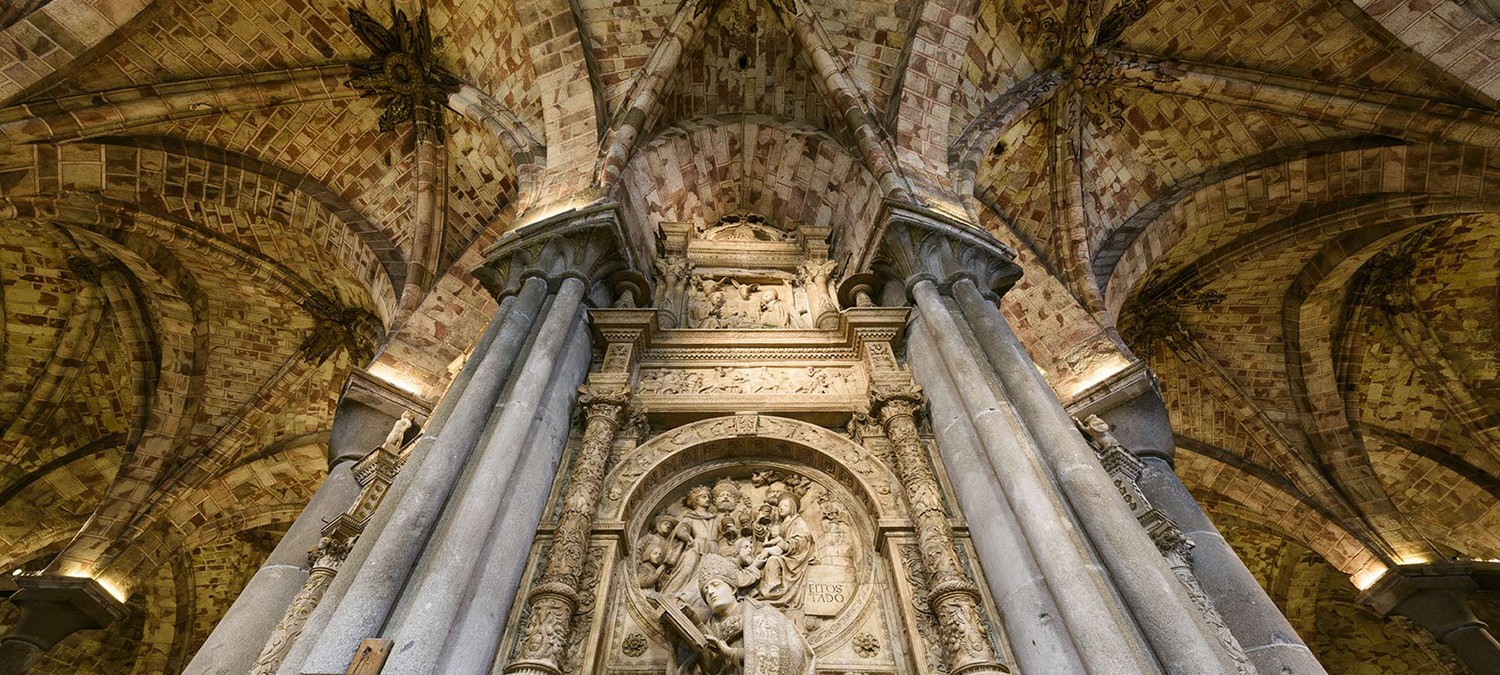
stained-glass windows that bathe the nave in an ethereal, transformative light. The architecture itself tells a story of resilience and devotion, with its
ribbed vaulting
and imposing scale serving as a testament to the engineering ambitions of a bygone age. Here, the cathedral is inextricably linked to the city’s very fortifications, embodying the dual identity of Ávila as both a bastion of defense and a beacon of faith.
Treasures of the Golden Age
To wander through these hallowed halls is to encounter the profound artistic fervor of the 14th to 16th centuries. The collection serves as a breathtaking window into the spiritual intensity of the Reconquista, where every brushstroke and chisel mark carries the weight of divine intention. At the heart of this treasury resides the
Nativity
by the Master of Avila, an
Early Netherlandish marvel from 1474 that captivates with its
meticulous detail and a palette of vibrant, jewel-like colors. This mastery of light and form is echoed in the emotive sculptures of Pedro de Mena, whose realistic depictions—most notably his hauntingly beautiful Saint Teresa of Ávila—possess a lifelike power that bridges the gap between the earthly and the divine. For the discerning collector or lover of fine craftsmanship, the museum also offers the delicate beauty of the
San Juan Hymnals
, 15th-century illuminated manuscripts where
gold leaf and intricate artistry illuminate the liturgical rhythms of the past.
An Unparalleled Artistic Journey
What distinguishes the Ávila
Cathedral Museum from the grand, often impersonal institutions of Europe is its profound intimacy. It offers a contemplative experience that cannot be replicated in a metropolitan gallery; it is an encounter with art in its original, sacred context. Whether one is drawn by the
humanist ideals found in the works of Fernando Gallego or the monumental
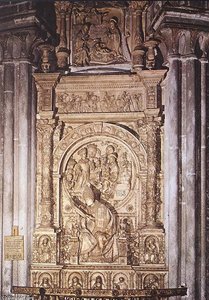
Renaissance spirit embodied in the sculptures of
Vasco de la Zarza
, the museum provides a rare opportunity to witness the evolution of Spanish identity through its aesthetic triumphs. For interior designers and art enthusiasts alike, the museum serves as an inexhaustible source of inspiration, where the interplay of texture, light, and
historical narrative invites a deeper understanding of how beauty can be used to fortify both the spirit and the state.