
St. Peter's Basilica - A Masterpiece of Faith and Art History
St. Peter’s Basilica stands as an unparalleled testament to human creativity and spiritual devotion, a beacon illuminating the path of Western art history for over fifteen centuries. Located in Vatican City, this monumental edifice transcends mere architectural grandeur; it embodies the very essence of Christendom—a pilgrimage destination revered by millions annually and a repository of artistic treasures unrivaled in their scale and beauty.
Its story begins humbly, with Constantine’s fourth-century chapel commemorating Saint Peter's burial site. However, ambition swiftly propelled its transformation into a Renaissance marvel spearheaded by Bramante, Michelangelo, Bernini, and Maderno—each architect striving to elevate the basilica to new heights of artistic excellence. The resulting fusion of Roman grandeur, Florentine idealism, and Baroque dynamism creates an experience unlike any other, inviting contemplation and inspiring awe.
- Early Foundations (4th Century): The initial structure, a modest church built by Emperor Constantine, served as a place of veneration for Saint Peter.
- Renaissance Transformation (15th-16th Centuries): Bramante’s revolutionary plan prioritized geometric precision and symmetry, reflecting Renaissance ideals of harmony and proportion. Michelangelo dramatically reshaped the basilica, introducing classical restraint alongside his artistic genius.
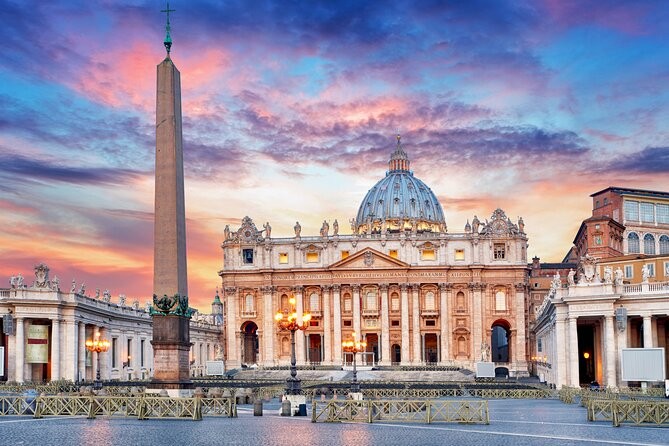
- Baroque Flourishes (17th Century): Gian Lorenzo Bernini's masterful additions—particularly the façade and colonnade—infused dynamism into the basilica’s appearance, creating an unforgettable spectacle of light and shadow.
Michelangelo’s Masterpieces: Expressions of Divine Beauty Within Vatican Walls
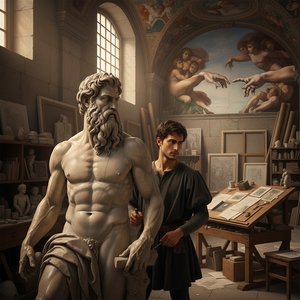
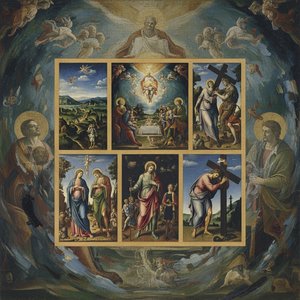
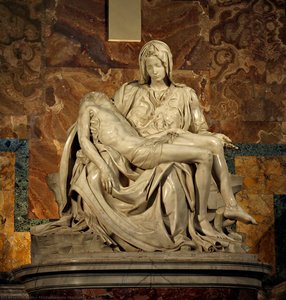
At the heart of St. Peter’s Basilica lies a collection of artistic treasures that exemplify Michelangelo's unparalleled skill in capturing both physical and spiritual realities. The *Pietà*, sculpted with breathtaking tenderness, depicts Mary cradling Christ’s lifeless body—a poignant meditation on grief and compassion. Beyond this iconic masterpiece, Michelangelo’s Crucifixion fresco in the Sistine Chapel showcases his mastery of light, shadow, and human anatomy, conveying both the agony of sacrifice and the triumph of redemption.
Notable highlights include: The *Pietà*, a sculpture depicting Mary cradling Christ’s lifeless body; Michelangelo’s Crucifixion Fresco – A dramatic masterpiece showcasing his command of light and shadow; Bernini's Statue of St. Peter - A monumental representation of papal authority radiating power and dignity.
Architectural Evolution: Layers of History Etched in Stone
St. Peter’s Basilica is not merely a building but a chronicle of architectural innovation—a layered narrative etched in stone over centuries. From Bramante's initial plan to Michelangelo's intervention and Bernini's Baroque embellishments, each phase reflects evolving artistic sensibilities and papal patronage. The soaring dome, designed by Michelangelo, stands as an engineering marvel—a testament to human ingenuity and a symbol of faith reaching towards the heavens.
The basilica’s façade, adorned with colossal columns and sculptures, embodies Roman grandeur while Bernini's colonnade creates a harmonious interplay of light and shadow. Ongoing preservation efforts ensure that this extraordinary monument remains accessible and inspiring for generations to come—a place where art transcends time, reminding us of humanity’s boundless creativity and spiritual devotion.
Notable Exhibitions & Artistic Legacy: Illuminating Faith Through Art
St. Peter's Basilica regularly hosts exhibitions exploring themes of faith, art history, and papal patronage, fostering dialogue between scholarship and artistic appreciation. These events showcase masterpieces from across centuries, enriching visitors’ understanding of Western culture and inspiring contemplation on timeless spiritual questions.
Unique Characteristics: A Sanctuary Unlike Any Other
St Peter's Basilica distinguishes itself as a sanctuary unlike any other—a place where art transcends time, embodying the enduring quest for transcendence. Its monumental scale, its intricate mosaics, and its sculptures convey profound theological symbolism, attracting pilgrims from around the globe who seek solace and inspiration within its sacred walls.