


The Manifesto of Form: Defining the Constructivist Revolution
To understand the seismic shift that occurred in the early 20th century, one must look beyond the traditional boundaries of the gilded frame and into the heart of a movement that sought to dismantle the very concept of "art for art's sake." Constructivism emerged not merely as a stylistic choice, but as a profound ideological rebellion. Born from the turbulent atmosphere of the Russian avant-garde, this movement rejected the decadent, ornamental traditions of the past in favor of a rigorous, structural logic. It was an era where the artist ceased to be a romantic dreamer and instead became a constructor—a visionary engineer of visual space.
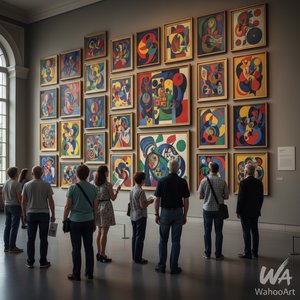
The essence of Constructivism lies in its rejection of illusionism. While the masters of previous centuries sought to trick the eye into perceiving depth on a flat surface, the Constructivists embraced the inherent flatness of the canvas and the raw reality of materials. They viewed the artwork as an object in itself, a construction of intersecting planes, lines, and volumes that demanded a new way of seeing. This was a period of intense intellectual fervor, where the boundaries between fine art, engineering, and social utility began to dissolve, creating a legacy that continues to resonate within the halls of modern museums and the private collections of the world's most discerning connoisseurs.
Geometry as Language: The Intersection of Abstraction and Industrial Utility
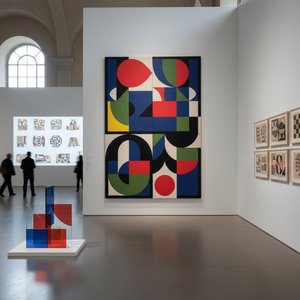
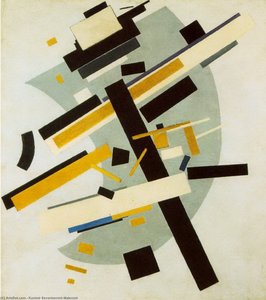
In the hands of the Constructivist master, geometry was far more than a mathematical tool; it was a universal language capable of communicating the pulse of a new, industrial age. The movement utilized the circle, the square, and the triangle not as mere shapes, but as fundamental building blocks of a new reality. This geometric abstraction served to strip away the anecdotal and the sentimental, leaving behind a pure, rhythmic composition that mirrored the precision of the machine. There is a profound tension in these works—a balance between the static weight of heavy forms and the dynamic energy of intersecting diagonals.
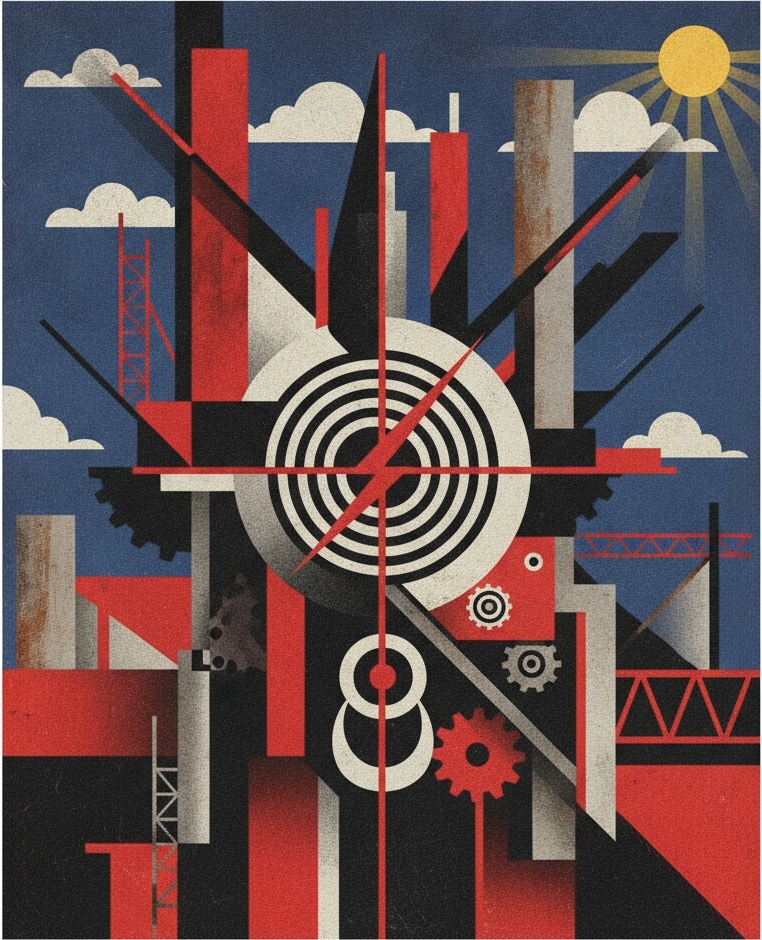
This aesthetic was deeply intertwined with the rise of industrialization. The movement celebrated the beauty of the factory, the strength of steel, and the efficiency of the locomotive. Artists looked toward the structural integrity of architecture and the clarity of technical drawings to inform their compositions. By adopting a visual vocabulary rooted in utility, they bridged the gap between high culture and the functional world. For the collector, these pieces offer more than aesthetic pleasure; they provide a window into a moment in history when art attempted to harmonize with the relentless progress of technology, creating a timeless dialogue between form and function.
From Canvas to Cloth: The Influence of Constructivism on Textile and Applied Arts
One of the most enduring legacies of the Constructivist movement is its radical expansion into the realm of applied arts. The revolution did not stop at the edge of the canvas; it spilled into the very fabric of daily life. This era saw a magnificent convergence where the principles of abstraction were applied to textiles, ceramics, and graphic design. A poignant example can be found in the works of artists like Vera Lotonina, whose textile designs embodied the spirit of the Russian avant-garde. Her patterns, featuring mesmerizing geometric motifs that evoked the strength of the Russian fleet, transformed utilitarian cloth into a medium for revolutionary ideals.
This democratization of art meant that the avant-garde aesthetic could be experienced not just in a gallery, but through the clothes one wore and the objects one used. The rhythmic repetition of patterns and the bold use of primary colors turned everyday items into mobile monuments of modernism. This integration of high art into the domestic sphere created a cohesive visual environment, where the boundaries between decoration and fine art were permanently blurred. For those who appreciate the intersection of history and design, these applied works represent a masterful feat of artistic resilience and creative expansion.
Architectural Echoes: How Constructivist Principles Shaped Modern Design and Urbanism
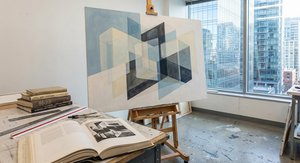
The structural logic of Constructivism found its most permanent expression in the built environment. The movement’s obsession with transparency, intersecting planes, and the honest expression of materials laid the groundwork for much of modern architecture. The concept of tectonics—the idea that the form of a structure should reflect its internal construction and social purpose—became a cornerstone of urban design. Architects drew direct inspiration from the dynamic compositions of Constructivist painters, seeking to create spaces that felt as active and interconnected as the abstract paintings of the era.
This architectural lineage can be traced through the works of figures like Victor Servranckx, whose ability to bridge Cubism and Constructivism influenced a generation of designers. The movement’s influence is visible in the clean lines of mid-century modernism and the functionalist approach to urban planning, where the emphasis is placed on light, space, and structural clarity. To collect art inspired by these principles is to hold a piece of the very blueprint that shaped our contemporary cities, celebrating an era when the dream of a structured, efficient, and beautiful world was etched into stone and steel.
The Legacy of the Avant-Garde: Integrating Constructivist Aesthetics into Contemporary Collections
Today, the echoes of the Constructivist revolution are louder than ever. We see its influence in everything from contemporary graphic design to the bold, minimalist movements of modern street art, such as the geometric abstractions found in the works of Petro Aesthetics. The movement’s core tenets—the celebration of structure, the use of industrial motifs, and the rejection of the superfluous—remain vital components of the modern aesthetic. For the contemporary collector, Constructivism offers a profound sense of stability and intellectual depth amidst the ephemeral nature of much of today's visual culture.
Integrating these works into a modern collection requires an appreciation for their historical weight and their enduring relevance. Whether through the acquisition of museum-quality reproductions that capture the tactile impasto of the era or through the exploration of contemporary pieces that pay homage to its geometric rigor, the spirit of Constructivism continues to inspire. It remains a testament to the power of art to act as a catalyst for change, reminding us that even in our most complex technological age, there is an eternal beauty to be found in the fundamental laws of form and structure.
At Mus3ums.com, we are dedicated to preserving this rich tapestry of human creativity. From meticulously handcrafted oil reproductions of historical masterpieces to custom commissions that reimagine the past through a modern lens, our mission is to make the profound beauty of art history accessible to collectors worldwide. Whether you are seeking the bold geometry of the avant-garde or a personalized masterpiece, Mus3ums provides the expertise and craftsmanship to elevate your collection.