Christophe Veyrier: A Sculptor Shaped by Puget and Genoa
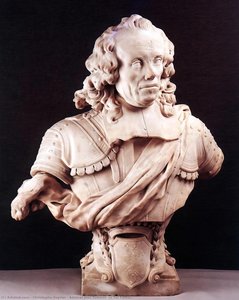
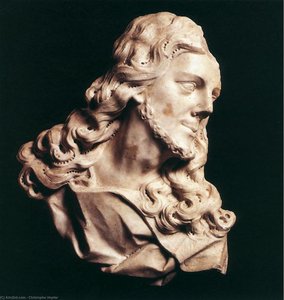
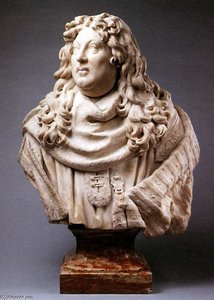
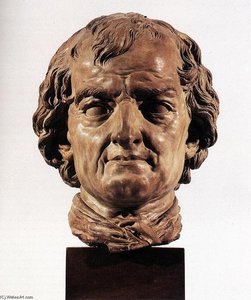
Christophe Veyrier (25 June 1637 – 10 June 1689) stands as a testament to the artistic fervor of the French Baroque, firmly rooted in the legacy of Pierre Puget but profoundly impacted by his formative years spent in Genoa. Born in Trets, Provence, France, he inherited a talent for sculpture from his uncle, Pierre Puget—a celebrated artist known for his expressive marble figures and masterful handling of drapery—establishing him as part of a significant artistic lineage. This connection to Puget’s oeuvre would undoubtedly shape Veyrier's own stylistic sensibilities.- Early Life & Training: Veyrier’s formal training commenced in Aix-en-Provence, where he honed his skills under the tutelage of Jean Baptiste Tourte, a prominent sculptor who championed classical ideals alongside Baroque dynamism. This dual influence—classical restraint tempered by baroque fervor—became a hallmark of Veyrier's artistic approach.
- Genoa and Artistic Awakening: A pivotal moment arrived in 1663 when Veyrier relocated to Genoa, Italy, a city renowned for its artistic patronage and vibrant cultural milieu. During his time there, he immersed himself in the humanist traditions of Renaissance sculpture, absorbing inspiration from artists like Michelangelo Buonarroti and Bernini—figures who had revolutionized sculptural technique and conceptual exploration. The encounter with these masters undoubtedly broadened Veyrier’s artistic horizons.
Rome: Refining Technique and Embracing Religious Patronage
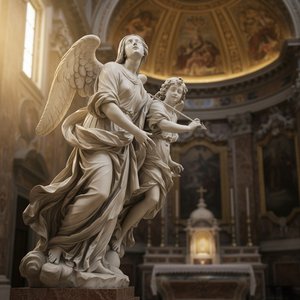
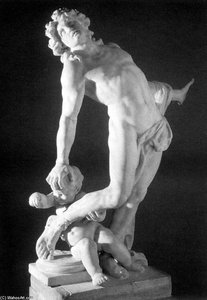
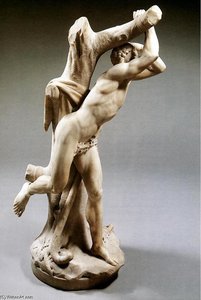
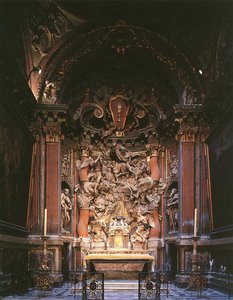
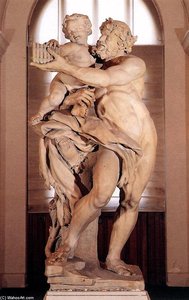
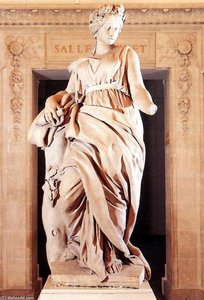
Between 1668 and 1670, Veyrier ventured to Rome—the epicenter of Baroque art—where he continued his artistic development. This period witnessed a deepening engagement with the stylistic conventions of papal sculpture, particularly those championed by Bernini. He meticulously studied Bernini’s monumental works, absorbing lessons in dramatic composition, expressive gesture, and masterful illusionistic rendering. The influence of Bernini is palpable in Veyrier's later sculptures, where he skillfully employs techniques to convey emotion and grandeur.- Notable Commissions & Artistic Achievements: Veyrier’s career gained considerable renown through prestigious commissions, most notably the creation of religious statues for the Chapel of Corpus Domini in Toulon Cathedral. This ambitious undertaking demanded exceptional technical skill and artistic vision—a testament to Veyrier's dedication and talent. Furthermore, he produced sculptures depicting mythological subjects, including Stowe House’s celebrated ‘Family of Darius,’ demonstrating his versatility as an artist. His work is held by esteemed institutions worldwide – Musée d’art Toulon; Musée Granet Aix-en-Provence; Louvre Museum Paris; Victoria & Albert Museum London; Metropolitan Museum of Art New York.
Legacy and Influence
Christophe Veyrier's sculptures endure as enduring symbols of the French Baroque, embodying both classical elegance and dramatic fervor. His meticulous attention to detail—particularly in capturing human emotion—solidifies his position among the foremost sculptors of his era. Like Puget before him, Veyrier skillfully blended humanist ideals with artistic innovation, leaving an indelible mark on the history of sculpture. His contribution to Toulon Cathedral’s iconography remains particularly significant, reflecting a commitment to religious art that continues to inspire admiration.- Further Exploration: For deeper insights into Christophe Veyrier's artistic oeuvre and biographical details, consult the Wikipedia article linked above: Wikipedia.
Q&A
Christophe Veyrier은(는) 어느 시대의 작품을 남겼나요?
Christophe Veyrier은(는) Early Modern 시대에 활동했습니다. 이 시기는 역사적 맥락 속에서 작가의 예술적 위치를 보여줍니다.
Christophe Veyrier의 출생지와 출생 연도는 어떻게 되나요?
Christophe Veyrier은(는) 1637년 Trets에서 태어났습니다.