The Silent Master of Rococo Portraiture
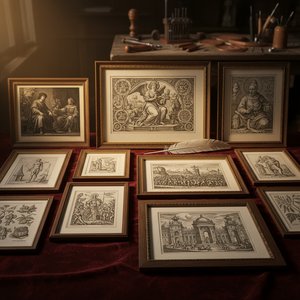
Laurent Cars (1699–1771) remains one of the most enigmatic yet influential figures within the vibrant artistic landscape of the French Enlightenment. Born in Lyon, a city with a rich tradition of craftsmanship, Cars was destined for a life defined by the precision of the burin and the delicate nuances of the copper plate. As the son of the engraver Jean-François Cars, his early years were steeped in the technical rigors of printmaking. This familial bond provided more than just an education; it offered a direct lineage to the mastery of line and shadow that would later define his prolific output of over 300 engravings. When he relocated to Paris with his father, the epicenter of European art, Cars stepped into a world of unparalleled creative ferment, eventually securing his place within the prestigious Académie Royale des Beaux-Arts in 1733.
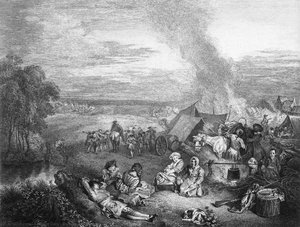
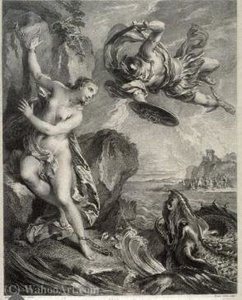
The artistry of Cars was never a solitary endeavor but rather a profound dialogue with the greatest masters of his era. His training under luminaries such as François Boucher and Nicolas Beauprimat allowed him to absorb the very essence of the Rococo aesthetic—a style characterized by grace, light, and an almost ethereal movement. Through his meticulous etchings, Cars did not merely replicate paintings; he translated the fluid brushstrokes of masters like Jean-Baptiste Lemoyne II into a language of monochrome brilliance. His work, such as the stunning Iris at the bath (1731), demonstrates a remarkable ability to marry Neoclassical beauty with the dramatic tension of the Baroque, creating a visual tension that captivated the French aristocracy.
A Legacy of Elegance and Ornamentation
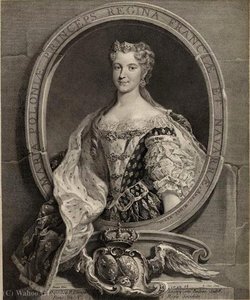
Beyond the intimate confines of portraiture, Cars played a vital role in the decorative fabric of 18th-century France. He was a master of the ornamental, collaborating extensively with architects and interior designers to bring the grandeur of the Rococo style to life within the palaces and villas of the elite. His engravings served as architectural blueprints for luxury, meticulously detailing the gilded stuccoes, elaborate furniture, and painted ceilings that defined the reign of Louis XV. One of his most significant historical contributions lies in his work for the Petit Trianon, where he illustrated mythological scenes that enhanced the palace’s decorative splendor, effectively bridging the gap between fine art and interior design.
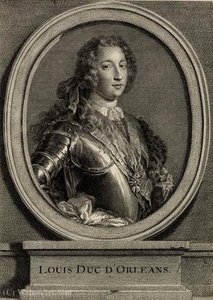
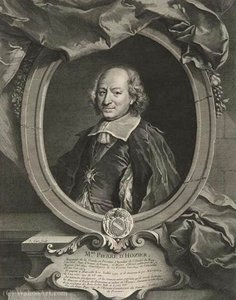
The breadth of his technical skill is evident in the diversity of his subjects, ranging from the authoritative to the whimsical:
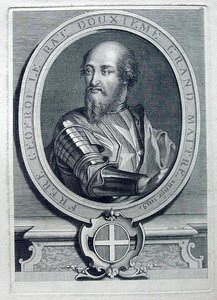
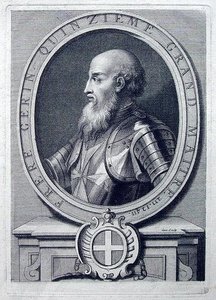
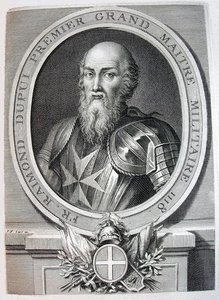
- Portraiture of Power: His engravings of figures such as Geoffroy le Rat, Grand Maître de France, showcase a profound understanding of historical elegance and the depiction of social authority.
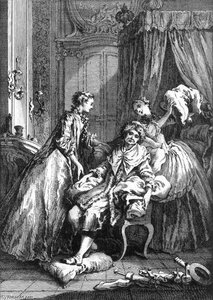
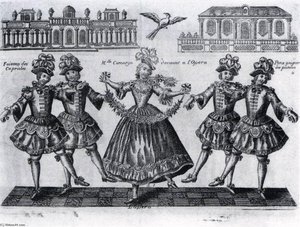
- Narrative Illustration: Through his prints, he breathed life into the fables of La Fontaine and the comedies of Molière, making literary classics visually accessible to a wider audience.
- Decorative Precision: His ability to capture the intricate textures of fabric and the play of light on metallic surfaces made him an essential contributor to the era's decorative arts.
In his later years, Cars’ role shifted from creator to curator, as he transitioned into the business of selling engravings. This evolution allowed him to influence the art market directly, ensuring that the works of his contemporaries reached the hands of discerning collectors. Though he eventually stepped away from the engraver's tool, his impact remained etched in the cultural consciousness of France. Today, we remember Laurent Cars not just as a technician of the line, but as a vital conduit of the Rococo spirit, whose work continues to reflect the sophisticated brilliance and the enduring elegance of the Enlightenment.
질의응답
Laurent Cars은(는) 어느 시대에 활동했나요?
Laurent Cars은(는) Early Modern 시대에 활동했습니다. 이 시기는 역사적 맥락에서 작가의 활동 위치를 보여줍니다.
Laurent Cars의 출생지와 출생 연도는 언제인가요?
Laurent Cars은(는) 1699년 Lyon에서 태어났습니다.