Early Life and Training
- Born: July 10, 1759, in Saint-Hubert, Belgium
- Family of Artists: His father and grandfather were painters; his elder brother was a scenery designer.
- Early Career: Left home at age 13 to work as an itinerant painter, creating interior decorations, portraits, and religious commissions.
- Move to Paris (1782): Joined his brother in painting scenery for theaters in Paris.
Botanical Illustration and Patronage
- Meeting Botanists: Met Charles Louis L'Héritier de Brutelle and René Desfontaines, who introduced him to botanical illustration.
- Mentorship: Studied under L'Héritier and Gerard van Spaendonck, learning dissection techniques and watercolor handling.
- Royal Patronage: Became draughtsman and painter to Queen Marie Antoinette.
- Empress Joséphine’s Patronage (1798): Became the official artist for Empress Joséphine de Beauharnais at the Château de Malmaison, gaining access to a vast collection of exotic plants.
- Teaching: Taught painting to Princess Adélaïde of Orléans in 1809.
Major Works and Artistic Style
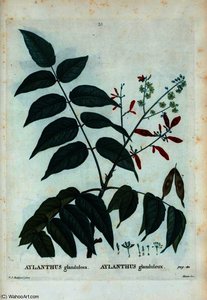
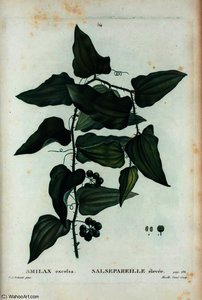
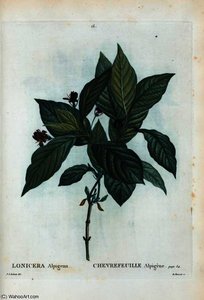
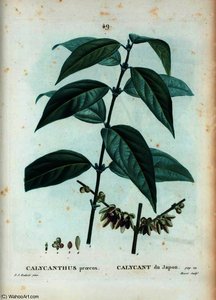
- Les Liliacées (The Lilies): A series of books published between 1802 and 1816, featuring over 400 hand-colored plates depicting lily-like plants.
- Les Roses (The Roses): Published between 1817 and 1824, containing nearly 170 plates showcasing different rose varieties.
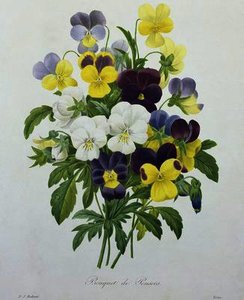
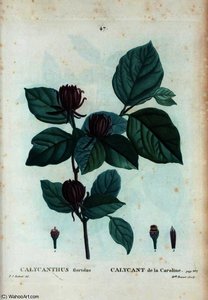
- Watercolor Technique: Mastered watercolor painting, using meticulous brushwork and subtle shading to capture the delicate beauty of flowers.
- Composition: Often featured a single flower as the central focus, surrounded by leaves and stems.
Influences and Historical Significance
- Flemish and Dutch Flower Painters: Considered an important heir to the tradition of Brueghel, Ruysch, van Huysum, and de Heem.
- Jan van Huysum: Inspired by the work of this Dutch eighteenth-century flower painter during his early career.
- "Raphael of Flowers": Nicknamed for his exceptional skill and artistry.
- Legacy: Considered one of the greatest botanical illustrators of all time, influencing subsequent generations of artists. His works remain highly valued for their precision, accuracy, and beauty.
Later Life and Death
- Appointment at the Museum: Appointed a master of draughtsmanship for the National Museum of Natural History in 1822.
- Legion of Honour: Became a Chevalier of the Legion of Honour in 1825.
- Death: Died suddenly on June 19 or 20, 1840, and was interred in Père Lachaise Cemetery.
질의응답
Pierre Joseph Redouté의 출생지와 출생 연도는 언제인가요?
Pierre Joseph Redouté은(는) 1759년 Saint-Hubert에서 태어났습니다.
Pierre Joseph Redouté 작가의 출신 국가는 어디인가요?
Pierre Joseph Redouté은(는) Belgium에서 태어났습니다.
Pierre Joseph Redouté의 출생 도시와 국가는 어디인가요?
Pierre Joseph Redouté은(는) Belgium의 Saint-Hubert에서 태어났습니다.