Satyr베누토 체리니None
 Mannerist Renaissance
 국립 미술관 (National Gallery of Art)
베누토 체리니 (1500 – 1571)
베누토 첼리니(1500-1571): '페르세우스', 화려한 첼리니 소금통으로 유명한 마네리스모 시대의 뛰어난 금세공 장인 및 조각가입니다. 그의 예술과 삶을 탐험해보세요!
국립 미술관 (National Gallery of Art) (Washington, USA)
국립 미술관에서 르네상스부터 현대 예술까지! 라파엘로, 모네 등 거장들의 작품을 무료로 감상하세요. 워싱턴 D.C.의 대표적인 명소입니다. 국립 미술관
The Mythic Embrace of Benvenuto Cellini's Satyr
Benvenuto Cellini’s “Satyr” stands as a captivating testament to the dynamism and sensual allure that defined the Mannerist period in Italian art. Completed around 1545, this bronze sculpture transcends mere representation; it embodies the very spirit of Dionysian revelry and the untamed beauty of the natural world. More than just a depiction of a mythological creature, Cellini’s satyr is an embodiment of potent emotion – a moment frozen in time, brimming with both mischievous energy and a profound, almost melancholic contemplation.
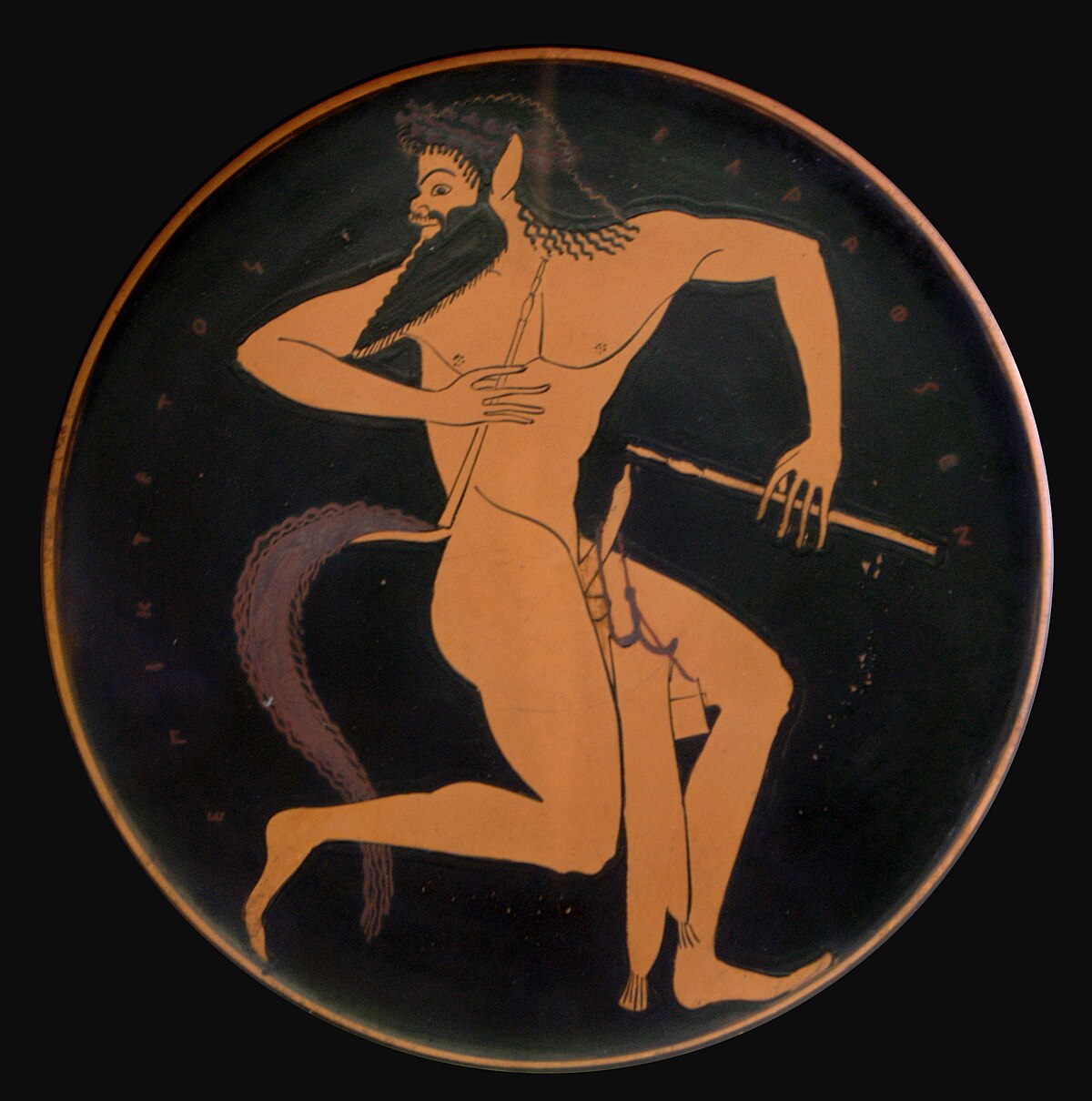
The sculpture itself is a marvel of technical skill and expressive form. Standing nearly four feet tall, the satyr is rendered in a remarkably realistic style, yet imbued with an unmistakable Mannerist flair. His muscular physique, accentuated by the strong lines of his arms and belly, speaks to a primal vitality – a celebration of the body’s inherent power. The details are exquisite: the unruly curls of his hair, the intense gaze of his eyes, the subtle suggestion of a mischievous grin. Notably, the bronze is treated with a rich, aged patina that adds depth and character, hinting at the passage of time and the sculpture's journey through history.
A Glimpse into Renaissance Mythology
Cellini’s satyr isn’t simply a charming figure from Greek mythology; it’s deeply rooted in the cultural context of the 16th century. Satyrs, companions to the god Dionysus, were traditionally associated with wildness, intoxication, music, and fertility – potent symbols of human desires and impulses. In Renaissance Florence, these themes resonated powerfully, particularly within the circles of artists and intellectuals who sought to reconcile classical ideals with contemporary sensibilities. Cellini’s work reflects this complex interplay, capturing both the exuberance and the underlying melancholy inherent in the satyr's existence.
The sculpture’s creation coincided with Cellini’s time at the court of Francis I of France, a period marked by lavish patronage and an embrace of Mannerist aesthetics. This royal commission further elevated the work, imbuing it with a sense of grandeur and sophistication. The choice of bronze as the medium itself is significant – a material prized for its durability, luster, and ability to capture intricate detail.
Symbolism and Artistic Technique
Beyond its mythological subject matter, “Satyr” is rich in symbolic meaning. The satyr’s gesture—raised hand, as if reaching out or beckoning—suggests an invitation into a world of pleasure and abandon. The sculpture's composition, with the satyr presented in profile, creates a sense of intimacy and immediacy, drawing the viewer into his gaze. Cellini masterfully employed techniques such as *repoussé* (hammering metal from the reverse side to create relief) and *chasing* (using tools to refine the surface of the metal), demonstrating his exceptional skill as a goldsmith and sculptor.
The sculpture’s hollow back, filled with fragments of burnt clay and wooden pegs, is particularly intriguing. This deliberate inclusion suggests a layering of meaning—a reference to the satyr's connection to the earth and the cyclical nature of life and death. It also hints at Cellini’s own fascination with materials and his desire to create works that were both beautiful and intellectually stimulating.
A Timeless Masterpiece
Benvenuto Cellini’s “Satyr” remains a powerful and evocative work of art, captivating viewers with its blend of mythological narrative, technical brilliance, and emotional depth. It is a window into the Renaissance world—a celebration of human creativity, sensual desire, and the enduring power of myth. Reproductions by Mus3ums offer an exceptional opportunity to bring this iconic masterpiece into your home or office, allowing you to appreciate its beauty and complexity for years to come.
작품 정보
- 제목: Satyr
- 작가: 베누토 체리니
- 기법: Tall
- 저작권 상태: 저작권 만료 (퍼블릭 도메인)
- 관람 장소: 국립 미술관 (National Gallery of Art)
- 코퍼스 문맥: self-promotion, renaissance ideals
- 주요 색상: Khaki
- 키워드: italy, mannerism, gold
- 색상 및 색조: Ochre to Sepia
- 채도: Vivid
작품 정보 요약
- Influences: Greek mythology
- Artistic style: Realistic, sensual
- Subject or theme: Mythological figure
- Artist: Benvenuto Cellini
- Medium: Bronze
- Location: Rct, Getty Museum
자주 묻는 질문
베누토 체리니의 "Satyr"은(는) 퍼블릭 도메인인가요?
베누토 체리니의 "Satyr"은(는) 퍼블릭 도메인 - 저작권 보호 기간이 만료되었습니다 상태입니다. 이 상태에 따라 해당 작품 이미지의 복제 가능 여부가 결정됩니다.
베누토 체리니의 "Satyr"에는 어떤 소재가 등장하나요?
베누토 체리니의 "Satyr"에 담긴 주제: satyr, mythology, dionysus, renaissance, gold, sculpture, mannerism
베누토 체리니의 "Satyr"은 어떤 미술 사조와 시대에 속하나요?
"Satyr"은(는) Mannerist Renaissance 사조에 속하며, 작가는 르네상스 시대에 활동했습니다.