


A Sanctuary of History: The Soul of Kyoto Unveiled
Nestled in the heart of Kyoto, a city where every cobblestone street whispers tales of ancient grandeur, lies an institution dedicated not merely to preserving the past, but to breathing life into it. The Kyoto Prefectural Library and Archives stands as a profound testament to Japan’s unwavering commitment to its cultural heritage. It is far more than a repository of dusty documents; it is a living, breathing window into the very soul of old Kyoto. For the art lover or the discerning collector, entering this space feels like stepping into a temporal dialogue, where the weight of centuries meets the clarity of modern preservation. The institution serves as both a vital research hub and a captivating sanctuary, inviting scholars and curious wanderers alike to embark on a journey through the layers of time that define the Japanese identity.
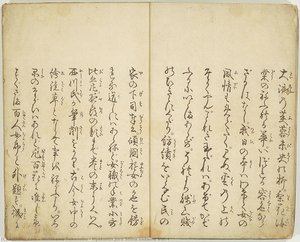
The true heartbeat of this collection resides within the Hyakugō Archives of Tō-ji Temple . Designated as a National Treasure, this extraordinary assemblage of documents offers an unparalleled glimpse into Japan’s medieval past. To gaze upon these scrolls is to witness the intricate details of religious practices, political maneuvering, and the rhythmic pulse of daily life during a pivotal era. These are not merely historical artifacts; they are tangible connections to the individuals who sculpted Kyoto’s enduring identity. Within these aged fibers lie chronicles of imperial decrees and monastic rituals, where the meticulous calligraphy and vibrant pigmentations reveal an astonishing level of artistic sophistication. Each page serves as a masterpiece of medieval manuscript illumination, conveying complex theological ideas through visual narratives that continue to mesmerize the modern eye.
Architectural Harmony and the Art of Preservation
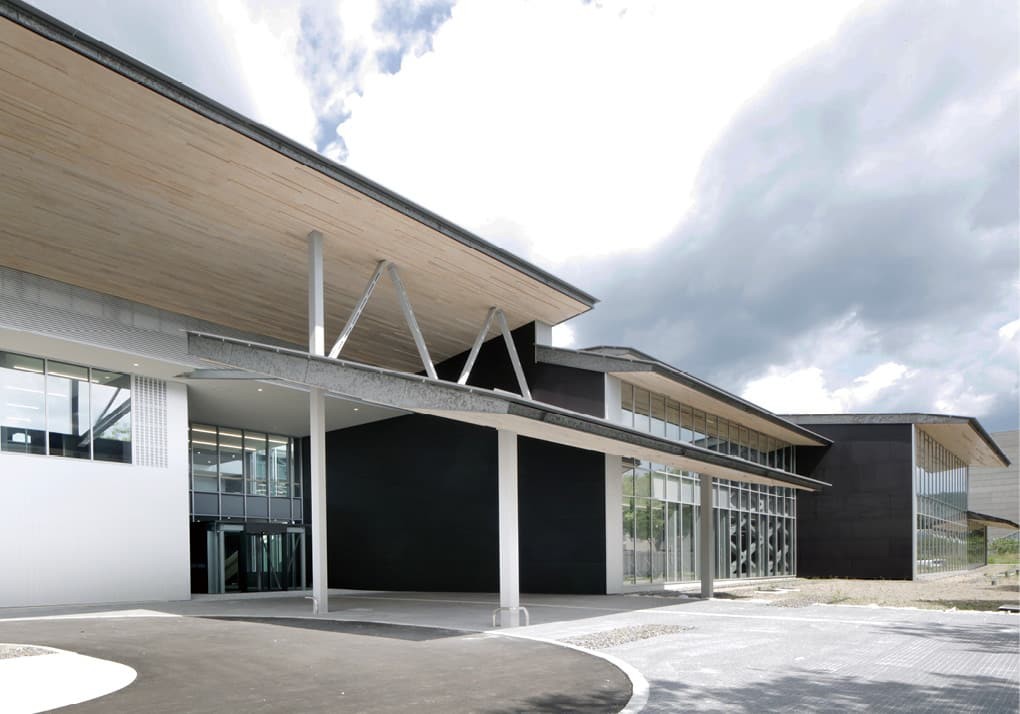
The architecture of the facility itself is a remarkable achievement in design, acting as a bridge between eras. Rather than attempting a mere imitation of traditional Kyoto aesthetics—the soaring wooden beams and heavy tiled roofs—the building engages in a sophisticated dialogue with them. The structure masterfully blends modern functionality with subtle nods to Japanese artistic principles. Through the use of clean lines, natural materials such as cedar and stone, and a thoughtful manipulation of space, the architects have created an atmosphere of serene contemplation. For the interior designer, the building offers a masterclass in how light and texture can define a mood; spacious reading rooms are bathed in soft, diffused light, while the climate-controlled archives ensure that the delicate treasures within remain untouched by the decay of time.
This modern edifice, established in its current form to consolidate and expand upon the legacy of the 1963 facility, represents a renewed commitment to safeguarding Kyoto’s cultural legacy. The expansive exhibition halls are designed not just for display, but for immersion. Here, illuminated maps charting Kyoto’s evolution over centuries sit alongside interactive displays showcasing digitized manuscripts, allowing visitors to perceive the historical context from which these treasures emerged. It is an environment where intellectual curiosity thrives, and where the transition from a humble repository to a world-class institution is felt in every carefully curated corner.
A Legacy of Continuous Discovery
What distinguishes the Kyoto Prefectural Library and Archives from other institutions is its singular, focused mission: to showcase the deep historical roots of Kyoto through an exclusive lens. The museum actively promotes engagement with its collection through captivating exhibitions that illuminate specific, evocative themes. Recent displays have explored everything from the profound influence of Buddhist art on the Kyoto landscape to the delicate role of calligraphy in shaping Japanese intellectual discourse. These exhibitions do more than show objects; they reconstruct the atmosphere of the Edo period and examine the very techniques employed by prominent Kyoto artists, making the history palpable and present.
For those seeking to understand the essence of Kyoto—its artistic spirit, its intellectual vibrancy, and its enduring cultural identity—this institution represents an unparalleled opportunity for discovery. It remains a beacon of knowledge and a sanctuary for history, proving that when we protect our archives, we are actually protecting the very breath of our civilization. Whether you are a researcher tracing the lineage of a specific artistic movement or a visitor seeking a moment of quiet beauty, the archives offer a profound connection to the eternal.