목차
주요 정보
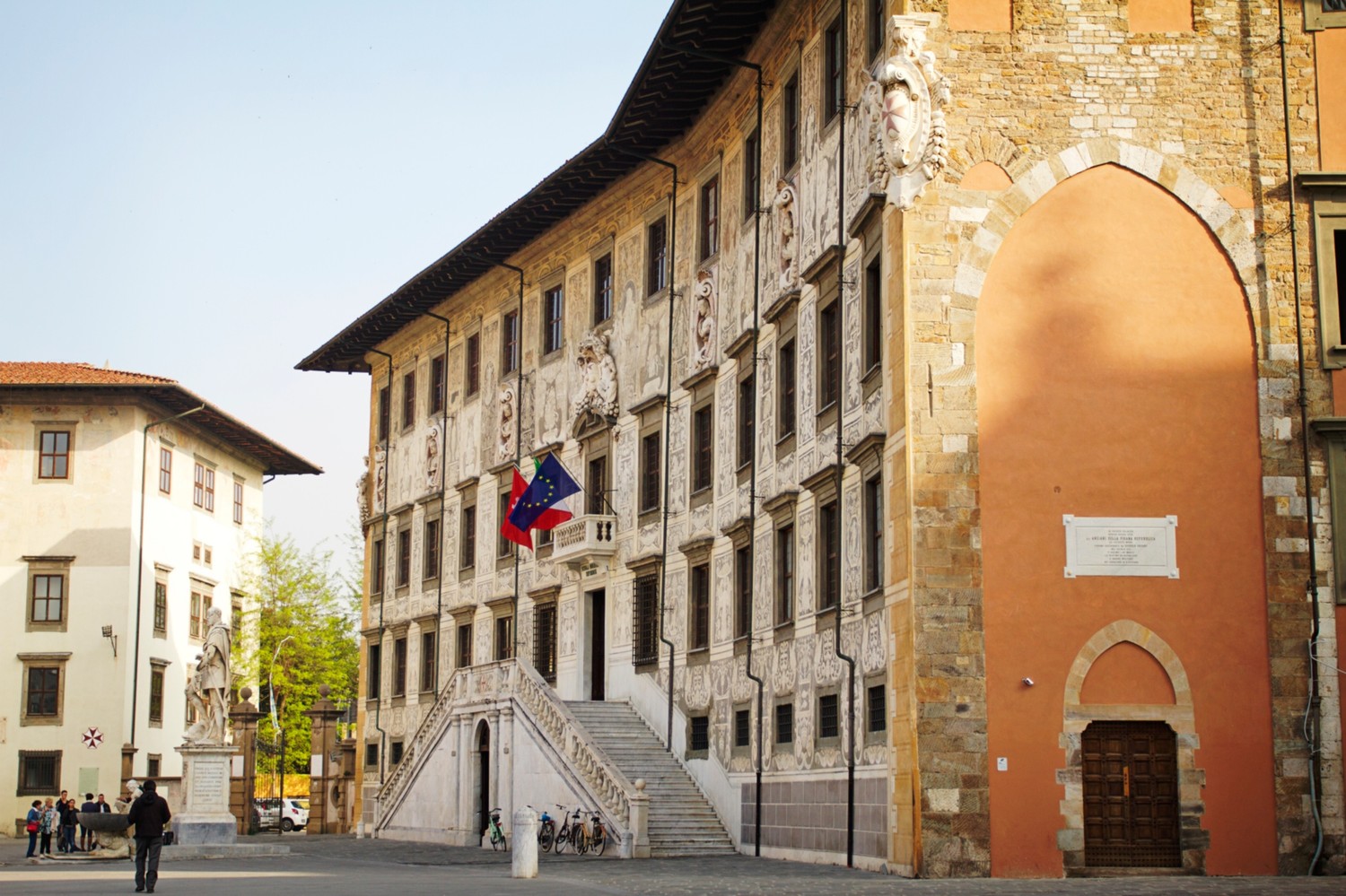
- Works on APS: 1
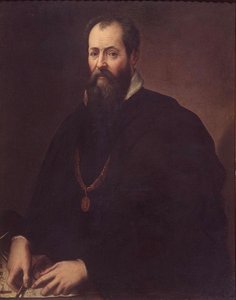
- Featured artists: Giorgio Vasari
- Location: Pisa, Italy
- Alternate names:
- Piazza dei Cavalieri
- Knights Square

아트 퀴즈
각 질문의 정답은 하나뿐입니다.
문제 1:
What was Piazza dei Cavalieri originally known for?
문제 2:
Who commissioned the redesign of Piazza dei Cavalieri?
문제 3:
What prominent architectural masterpiece is located in Palazzo della Carovana?
문제 4:
What institution currently occupies Palazzo della Carovana?
문제 5:
What was the Order of the Knights of St. Stephen dedicated to combating?
관련 콘텐츠

Masterpieces of Light: The Top 25 Artworks by Duccio di Buoninsegna
Journey through the divine elegance of Duccio di Buoninsegna. Explore 25 iconic Sienese masterpieces, from the Maestà to the Rucellai Madonna. Find inspiration for museum-quality art reproductions and timeless decor. Discover all masterpieces on Mus3ums.com.
Proto-Renaissance Masters: 10 Artworks That Changed History | Mus3ums
Journey back to the dawn of Renaissance art! Explore 10 iconic Proto-Renaissance masterpieces by Giotto, Cimabue & Duccio. Discover their stories, techniques & lasting impact. Find museum-quality reproductions for your home at Mus3ums.com

Masterpieces of Grandeur: The Top 25 Artworks by Paolo Veronese
Explore 25 iconic Venetian Renaissance masterpieces by Paolo Veronese. Discover the full collection online at Mus3ums.com.
© 2026 mus3ums.com