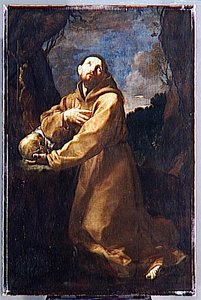
The Art of the Unseen: An Introduction to Visual Metaphor and Iconography
To the casual observer, a classical painting is a window into a bygone era, capturing the light, the fashion, and the faces of history. Yet, for the discerning enthusiast, a masterpiece is far more than a mere visual record; it is a complex, coded language designed to be read. This silent narrative, often referred to as iconography, transforms every brushstroke into a vessel for deeper meaning. When we gaze upon the works of the Great Masters, we are not just witnessing beauty, but engaging in a profound dialogue with symbols that transcend time.The power of art lies in its ability to use visual metaphors—the use of an object or a gesture to represent an abstract concept like divinity, mortality, or desire. To decode this language is to unlock the true intention of the artist, moving beyond the surface level of pigment and canvas to grasp the spiritual and philosophical essence of the work. It requires us to look past the literal and embrace the metaphorical, understanding that in the realm of fine art, nothing is ever purely accidental.
Objects of Meaning: Decoding Flora, Fauna, and Memento Mori
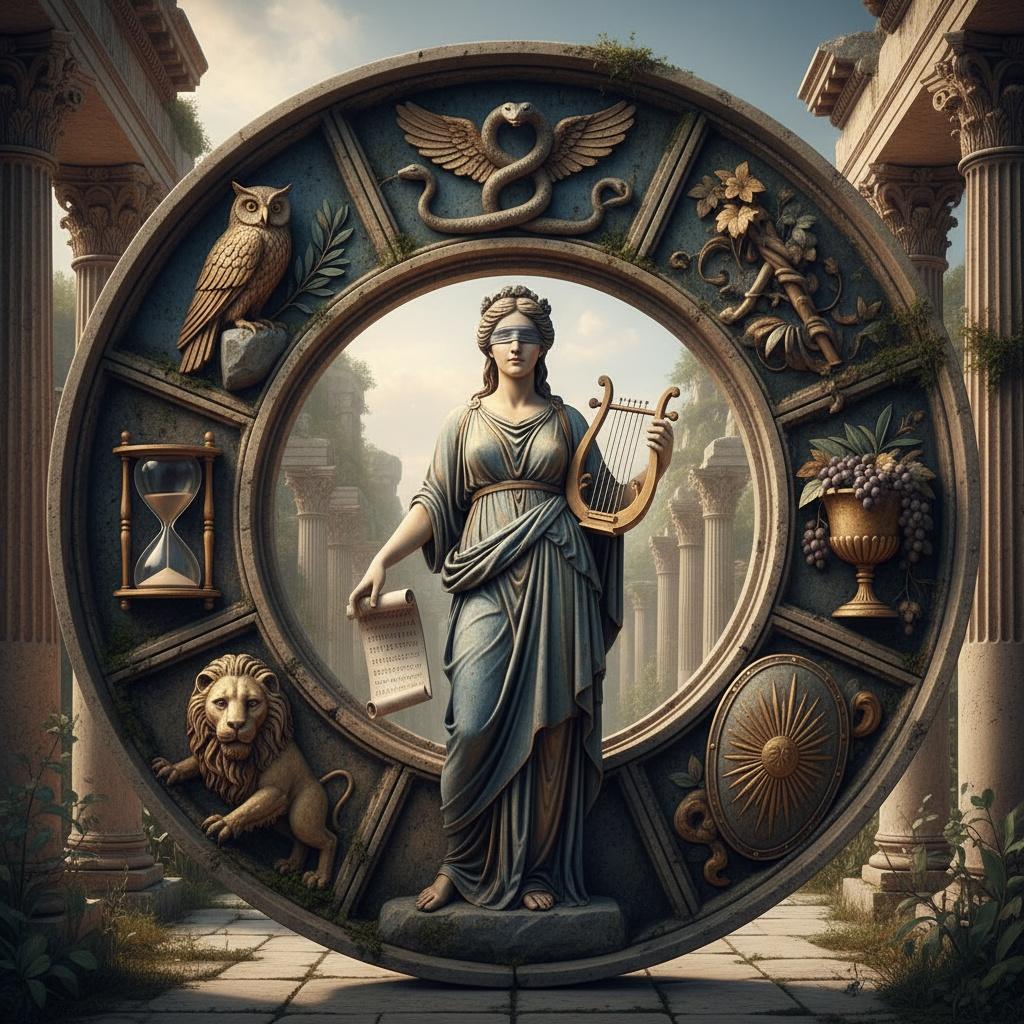
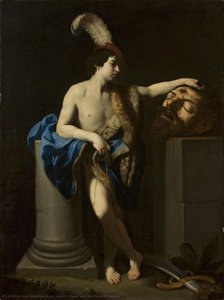
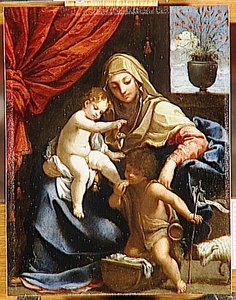
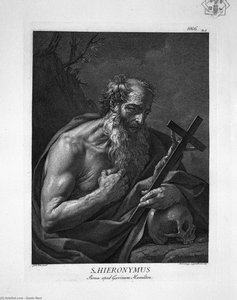
Within the frame of a classical composition, every element carries an inherent weight. A single lily, rendered with delicate precision, is rarely just a flower; it is a sacred emblem of purity and innocence, frequently appearing in religious works to signify the Virgin Mary. Conversely, the presence of certain animals can shift the mood entirely. A serpent might whisper of temptation and original sin, while a dove brings the promise of peace and the Holy Spirit.Perhaps most haunting is the tradition of memento mori—the "reminder of death." In many Renaissance and Baroque works, we encounter the stark imagery of skulls, hourglasses, or decaying fruit. These are not intended to be morbid, but rather to serve as a philosophical meditation on the ephemeral nature of life and the ineviveness of mortality. By weaving these symbols into the fabric of the painting, artists invite us to contemplate our own place within the grand, fleeting cycle of existence, turning a static image into a profound existential lesson.
The Poetics of Gesture: Human Form and Mythological Narrative
The human body serves as the ultimate canvas for symbolic expression. A tilt of the head, the placement of a hand, or the tension in a muscular limb can communicate volumes without a single word being spoken. Consider the works of Gustave Moreau, particularly his depictions of mythological figures like Saint Sebastian. In such masterpieces, the physical suffering of the saint is not merely a depiction of pain, but a symbolic representation of faith, endurance, and the triumph of the spirit over the flesh.In mythological narratives, gesture becomes a tool for storytelling. The way a goddess reaches toward a hero or the slumped posture of a fallen warrior tells us of triumphs, tragedies, and the whims of the gods. These movements are choreographed by the artist to evoke specific emotional responses—pity, awe, or even terror. Through the careful manipulation of the human form, artists transform historical or mythical events into universal truths about the human condition, making the ancient past feel viscerally present.
Chromatic Allegory: The Psychological Power of Pigment and Light
Color is never merely decorative in the hands of a master; it is an allegorical force. The use of pigment is deeply tied to psychology and symbolism. A rich, regal blue, often derived from precious lapis lazuli, has historically been reserved for the heavens or for the most exalted figures, signifying divinity and eternal truth. In contrast, the sudden intrusion of a deep, visceral red can signal passion, blood, or the intensity of martyrdom.Light, too, plays a transformative role. The dramatic chiaroscuro—the intense contrast between light and shadow—does more than create three-dimensional depth; it creates drama and spiritual tension. Light acts as a divine presence, illuminating the truth, while shadows represent the unknown, the subconscious,_ or the realm of sin. When an artist masters the interplay of light and color, they create a chromatic atmosphere that guides the viewer's emotions, leading them through a landscape of psychological complexity and spiritual illumination.
Unveiling the Masterpieces: A Deep Dive into Symbolist Iconography
As we conclude our journey through the layers of symbolism, we find that the true joy of art lies in the discovery. Whether it is the dreamlike, intricate details of Klimt or the haunting, emotional landscapes of Munch, the ability to decode these hidden meanings enriches our connection to the work. We no longer see just a painting; we see a map of human thought and emotion.Understanding this profound language allows us to appreciate the true depth of art reproductions, where every tactile brushstroke and textured layer is designed to preserve the spirit of the original. At Mus3ums.com, we celebrate this enduring legacy by offering museum-quality oil reproductions that honor the intricate symbolism and technical mastery of the Great Masters. By bringing these symbolic narratives into our own spaces, we continue the eternal conversation between the artist, the artwork, and the observer.