

A Living Monument of Catalan Governance
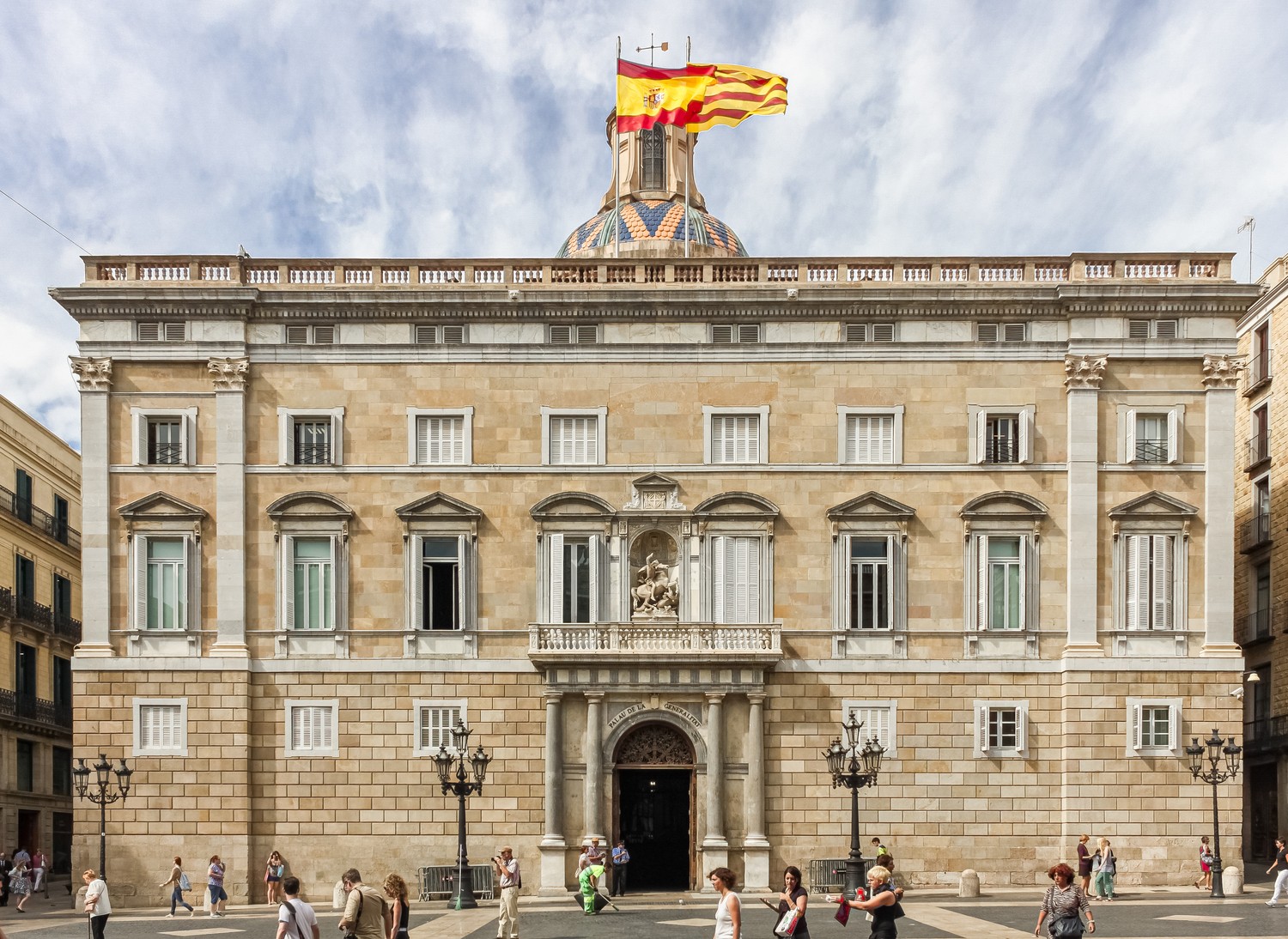
In the heart of Barcelona, within the historic district of Ciutat Vella, stands the Palace of the Generalitat of Catalonia , a structure that serves as much more than a mere seat of political power. It is one of the rare and prestigious architectural gems in Europe where a building of medieval origin continues to function as the active heart of the institution it was built to house. To walk through its halls is to traverse centuries of political evolution, moving from the shadows of the 13th-century Catalan Courts into the light of modern self-governance. The palace, which houses the offices of the Presidency of the Generalitat de Catalunya, acts as a silent witness to the shifting tides of history, embodying the resilience and identity of the Catalan people.
The architecture itself is a breathtaking dialogue between eras. While the palace's roots are deeply embedded in the medieval period, its most striking visual statement is found in the principal façade facing the Plaça de Sant Jaume. Designed by Pere Blai in 1596, this magnificent Renaissance-style frontage represents the first grand application of such an aesthetic in Catalonia, offering a sense of classical order and prestige that commands the square. This architectural grandeur is complemented by the integration of various historic houses purchased over time, creating a complex, layered structure that mirrors the intricate tapestry of the region's history.
A Sanctuary of Heritage and Artistry
Beyond its administrative functions, the Palace of the Generalitat serves as a profound repository for historical and artistic significance. It is a place where the weight of tradition is palpable in every stone and carved detail. For the art lover or the historian, the building offers a glimpse into the decorative mastery of past centuries, particularly through its integration of religious and civic splendor. The presence of the chapel of St. George, constructed in 1434 by Bishop Marc Safont, provides a sacred dimension to the palace, where the intersection of spiritual devotion and statecraft is physically manifested.
The interior spaces are characterized by an exquisite blend of styles that would captivate any connoisseur of classical design. Visitors and observers can find inspiration in the following elements:
- The Renaissance façade , a masterpiece of architectural transition that defines the urban landscape of Barcelona.
- The historic Chapel of St. George , which stands as a testament to the enduring religious heritage woven into the fabric of Catalan governance.
- The medieval foundations and structural expansions that reflect the organic growth of a seat of power spanning hundreds of years.
For interior designers and those drawn to the aesthetics of antiquity, the palace offers an inexhaustible source of inspiration. The way light interacts with the Renaissance stone and the way historical layers are preserved within a functional modern office space creates a unique atmosphere of timelessness . It is a venue where the echoes of the past—from the early commissions of the Catalan Courts to the contemporary presidency—continue to inform the creative and political visions of the present.