Inhoudsopgave
Kerngegevens
- Corpus themes:
- lithuanian folklore
- lithuanian identity
- symbolism
- symbolist landscape
- spiritual reflection
- Museums on APS: M. K. Čiurlionis Nationaal Kunstmuseum
- Top-ranked work: Funeral Symphony. VII from the cycle of 7 paintings
- Works on APS: 173
- Vibe:
- mystiek
- etherisch
- Topics explored:
- symbols
- sea
- lithuanian art
- symbolism
- mountains
- Color intensity:
- levendig
- gebalanceerd
- Best occasions: sfeer
- Died: 1911
- Movements: symbolism
- Toon meer…
- Nationality: Lithuania
- Copyright status: Public domain
- Born: 1875, Šiauliai, Lithuania
- Emotional tone: mysterieus
- Lifespan: 36 years
- Art period: Modern
- Typical colors:
- aardse tinten
- donkere tinten
- Room fit: woonkamer
- Creative periods: mature period
- Also known as: Mikołaj Konstanty Czurlanis
Kunstquiz
Er is slechts één goed antwoord op elke vraag.
Vraag 1:
Wat was de nationale identiteit van Mikalojus Konstantinas Čiurlionis?
Vraag 2:
Waar bracht Čiurlionis zijn jeugd door, waar begon hij met muziekstudie?
Vraag 3:
Welke kunststroming is Čiurlionis voornamelijk geassocieerd met?
Vraag 4:
Welke prins steunde Čiurlionis’s studie in Warschau?
Vraag 5:
In welk museum is een uitgebreide collectie van Čiurlionis’s kunst te vinden?
Gerelateerde artikelen
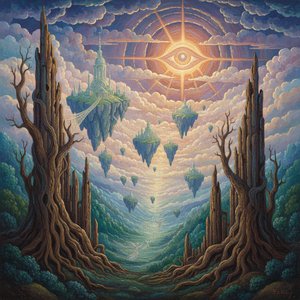
Beyond Symbolism: Exploring the Spiritual Landscapes of Mikalojus Konstantinas Čiurlionis's Art
Explore the captivating world of Mikalojus Konstantinas Čiurlionis, a pioneer of abstract art. Discover his unique blend of music and painting, spiritual themes, and lasting influence on Lithuanian culture. Learn more at Mus3ums.

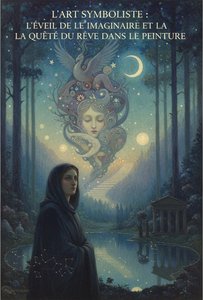
Beyond Reality: Exploring the Mystical Depths of Symbolist Painting (1880-1910)
Explore the captivating world of Symbolist painting (1880-1910). Discover key artists like Moreau & Klimt, decode iconic motifs, and understand its lasting impact on modern art. Expert analysis for collectors.
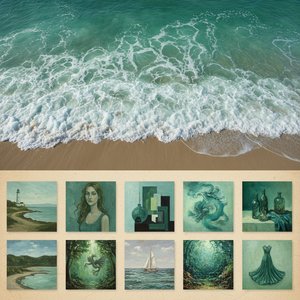
Top 10 Meesterwerken met Medium Sea Green: Kunst voor uw Interieur | Mus3ums.nl
Ontdek 10 beroemde schilderijen waarin medium sea green de hoofdrol speelt! Van Monet tot Renoir, duik in de kunsthistorie en laat u inspireren door deze groene meesterwerken. Museumkwaliteit reproducties voor uw interieur op Mus3ums.com.