early life and training
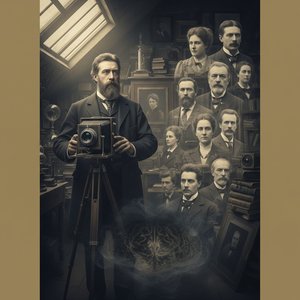
raja deen dayal, also known as lala deen dayal, was an indian photographer born in sardhana, india in 1844. he died in 1905. trained as an engineer at thomason college of civil engineering at roorkee, dayal began his career in photography in the mid-1870s.career highlights
- established studios in indore, mumbai, and hyderabad, becoming the court photographer to the sixth nizam of hyderabad, mahbub ali khan, asif jah vi.
- appointed as the photographer to the viceroy of india in 1885.
- received the royal warrant from queen victoria in 1897.
notable works and collections
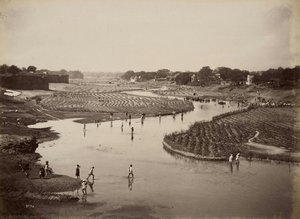
dayal's photographs are known for their capture of indian temples, palaces, and monuments, as well as portraits of indian rulers and british officials. some notable works include:- moosi river, hyderabad (j. paul getty museum, los angeles, united states), showcasing his skill in capturing the essence of indian landscapes.
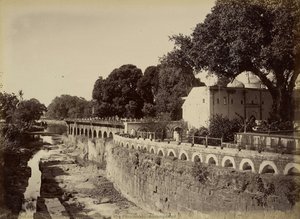
- channel near the punchukki, aurangabad (j. paul getty museum, los angeles, united states), highlighting his ability to frame the beauty of indian architecture.
museums and collections featuring raja deen dayal's work
- j. paul getty museum (los angeles, united states)
- indira gandhi national centre for the arts (new delhi, india)
- peabody essex museum (united states)
- alkazi collection (delhi, india)
legacy and impact
raja deen dayal's contributions to indian photography are undeniable. his work not only captured the essence of india's architectural and cultural heritage but also paved the way for future generations of photographers. view more works by raja deen dayal on Mus3ums: https://Mus3ums.com/@/raja-deen-dayal explore indian art and photography on Mus3ums: /en/art/show/art-d3c8xr-en/Spørsmål og svar
Hvilken by og hvilket land er Raja Deen Dayal født i?
Raja Deen Dayal ble født i Sardhana i India.
Hvilke pseudonymer eller andre navn er Raja Deen Dayal kjent under?
Raja Deen Dayal opptrer under de alternative navnene Lala Deen Dayal.
Hvor og når ble Raja Deen Dayal født?
Raja Deen Dayal ble født i Sardhana i 1844.