Whispers of Stone: Unveiling the Mysteries of Antequera’s Dolmens
The Andalusian landscape of southern Spain holds secrets etched not in grand palaces or bustling cities, but directly into the earth itself. The Conjunto Arqueológico de los Dólmenes de Antequera stands as a profound testament to humanity's earliest spiritual stirrings—a UNESCO World Heritage site where megalithic monuments rise from the rolling hills like ancient dreams solidified in stone. More than mere tombs, these structures – Menga, Viera, and El Romeral – are portals into the minds of Neolithic and Bronze Age peoples, offering an unparalleled glimpse into their beliefs about life, death, and the cosmos. To wander amongst them is to feel a tangible connection to those who first sought meaning in the landscape millennia ago, a resonance that echoes through time. The sheer scale of these constructions immediately commands respect; they are not simply stones, but carefully orchestrated expressions of a worldview deeply intertwined with the rhythms of nature.
-
The Menga Dolmen:
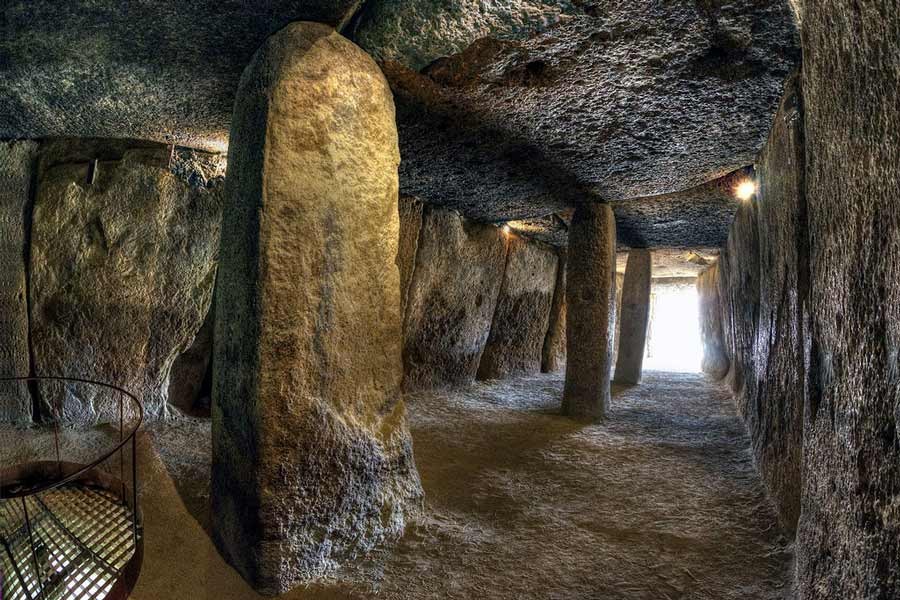
This colossal structure, one of Europe’s largest megalithic monuments, is an astonishing feat of engineering. Constructed from massive stone blocks fitted together without mortar, it served as a communal burial site for generations. Its imposing presence speaks to the advanced understanding of geometry and structural integrity possessed by its builders.
-
The Viera Dolmen:
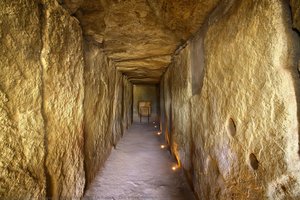
Perched atop a verdant hill overlooking Antequera, the Viera Dolmen offers both breathtaking panoramic views and a more intimate experience. The long corridor leading to the rectangular chamber is oriented with remarkable precision to capture the first rays of sunlight on the summer solstice – a clear demonstration of an early understanding of astronomy and its profound connection to ritual practice.
-
The Tholos de El Romeral:
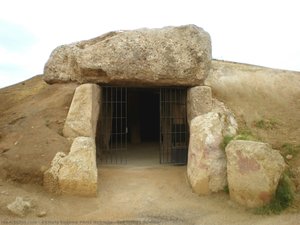
This unique structure presents a fascinating diversity in architectural style, including *tholos* – beehive-shaped tombs – revealing evolving burial practices and regional variations in construction techniques over centuries. The intricate design suggests a sophisticated level of craftsmanship and artistic expression.
Echoes of Ritual and Engineering Prowess
The story of Antequera’s dolmens unfolds over millennia, beginning in the Neolithic period around 3750-2500 BC and continuing into the Bronze Age (2500-1800 BC). These weren't quick constructions; they were evolving monuments, added to and modified by successive generations. For centuries, their existence faded into local folklore, until the late 19th century when archaeological investigation began to reveal their true historical importance. The brothers Antonio and Jose Fuentes are credited with rediscovering the Dolmen de Viera in 1903, a pivotal moment that sparked further exploration of the surrounding area. The designation as a UNESCO World Heritage Site in 2016 cemented their global significance, ensuring their preservation for future generations. This recognition wasn’t simply about acknowledging ancient stones; it was about recognizing the enduring power of human creativity and spiritual yearning—a testament to our shared past. The alignment of certain structures with celestial events – solstices and equinoxes – suggests a sophisticated understanding of astronomy and its connection to ritual practice, hinting at a deep-seated belief system centered around the cosmos.
A Landscape Woven with Belief
What truly sets Antequera apart is not just the individual monuments but the way they are integrated into the landscape. The site isn’t isolated; it’s interwoven with natural landmarks like La Peña de los Enamorados (the Lover’s Rock) and El Torcal, a surreal karst landscape. These features weren't merely backdrops; they were integral to the worldview of those who built the dolmens. The alignment of certain structures with celestial events – solstices and equinoxes – suggests a sophisticated understanding of astronomy and its connection to ritual practice. This is a place where the boundaries between the human-made and the natural world blur, creating a powerful sense of harmony and reverence. The monuments aren’t simply *in* the landscape; they *are* part of it, echoing the ancient belief that humanity is inextricably linked to the rhythms of nature. The ochre, grey, and brown tones of the stone blend seamlessly with the surrounding hills, evoking a sense of timelessness and grounding – a palette particularly inspiring for interior designers seeking to create spaces rooted in history and natural beauty.
Notable Exhibitions and Museum Insights
Currently, the Museo de Antequera (Antequera Museum) offers a dedicated exhibition exploring the history and significance of the dolmens. The museum meticulously reconstructs the archaeological context surrounding the monuments, showcasing tools, pottery, and other artifacts unearthed during excavations. Interactive displays allow visitors to explore the construction techniques employed by the Neolithic and Bronze Age builders, while informative panels delve into the theories surrounding their rituals and beliefs. Special temporary exhibitions often focus on specific aspects of the site’s history or related archaeological discoveries from the wider region. The museum also hosts lectures and workshops, providing opportunities for deeper engagement with the subject matter.
A Legacy Preserved: Inspiration for Design
For art collectors and interior designers, Antequera offers a profound understanding of early artistic expression and the origins of monumental architecture. The scale and precision of the dolmens inspire grand architectural gestures, while the subtle details – the carefully fitted stones, the intricate alignments – invite contemplation and quietude. The site’s connection to the natural world provides a rich source of inspiration for creating spaces that are both visually stunning and deeply rooted in history. Consider incorporating earthy tones, textured surfaces, and geometric patterns reminiscent of the dolmens into your designs—a subtle nod to the ancient wisdom embedded within these remarkable stones. The enduring power of belief, embodied by these monuments, serves as a constant reminder of our shared human story and the legacy we leave behind – a silent dialogue with those who came before, etched in stone for eternity.