


The History of Oxburgh Hall
The origins of Oxburgh Hall are tied to the Bedingfeld family, who acquired the manor of Oxborough through marriage in the early 15th century. Sir Edmund Bedingfeld commissioned the construction of the hall and obtained a licence to crenellate in 1482. The family has occupied the house since its construction, maintaining a continuous presence on the estate for centuries. The current establishment of the site dates to 1520.
The house faced significant disruption during the Civil Wars. Parliamentary troops ransacked the property, and much of the east range was destroyed by fire. Following these conflicts, the estate was confiscated by Parliament and was forcibly sold in 1652. Despite these periods of instability, the site remained a central seat for the family's interests.
Ownership of the estate eventually passed to the National Trust in 1952. Today, Oxburgh Hall functions as a historic House Museum in Norfolk, United Kingdom. It preserves the architectural and material history of the Bedingfeld lineage through its surviving structures and interior collections.
Architecture and the Moated Setting
Oxburgh Hall is a late medieval, inward-facing great house located in Oxborough, Norfolk, England. The structure is built primarily from magnesian limestone and is set within a square moat measuring approximately 75 metres on each side. This water feature provides a sense of seclusion and defines the perimeter of the estate. Access to the house is gained via a three-arched bridge situated on the north side of the moat.
The entrance is marked by a fortified gatehouse, a prominent feature of the building's exterior. This gatehouse is flanked by tall polygonal towers that rise in seven tiers. The architectural character of the hall reflects a combination of Tudor Revival style and influences from earlier Gothic designs. The layout and the defensive elements of the gatehouse reflect the historical requirements of a fortified manor of this period.
The Oxburgh Hangings Collection
The Oxburgh Hangings are needlework bed hangings held at Oxburgh Hall in Norfolk, England. These textiles were created by Mary, Queen of Scots and Bess of Hardwick during the period of Mary's captivity in England. The collection consists of green velvet hangings featuring square centrepieces. The embroidered panels have been arranged into a wall hanging, two bed curtains, and a valance.
While the hangings are part of the Victoria and Albert Museum collection, they remain at Oxburgh Hall on permanent long-term loan. The embroidery includes specific motifs, such as a panel featuring a cat and a mouse, which is interpreted as a symbol of Mary's political situation. Other panels contain emblematic designs of plants and animals arranged in octagonal shapes surrounding the central squares.
Masterpieces and Significant Works
The collection at Oxburgh Hall comprises approximately 3,500 objects, reflecting the long-standing collecting habits of the Bedingfeld family. Among the most significant items are the Bedingfeld Family Portraits and various artifacts related to the site's Catholic heritage. These works are held alongside 16th century textile fragments that were preserved beneath the floorboards of the Hall and recovered during recent building works.
The house contains several notable prints and paintings. A portrait of the Three Eldest Children of King Charles I is a copy of a well-known work by Sir Anthony van Dyck. Additionally, the collection includes a Le Blon mezzotint, which is an exceptionally rare survival of a work by the 18th Century inventor of colour printing. These pieces are displayed alongside a collection of historic wallpaper and various other decorative elements that have been preserved within the house.
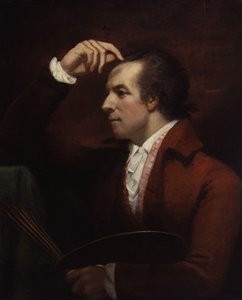
- A Young Female Fruit-seller, 1784 - James Northcote
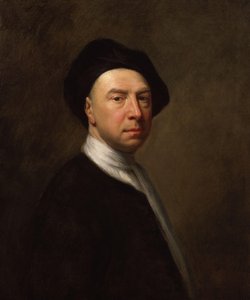
- Portrait of an Unknown Lady - Jonathan Richardson the Elder
- Lady Jane Boyle (d.1780) - Jacob Huysmans
- Portrait of an Unknown Lady, 1748 - John Theodore Heins
The Bedingfeld Family Legacy
The Bedingfeld family has occupied Oxburgh Hall for more than 500 years. Their presence at the estate began with Sir Edmund Bedingfeld, who obtained royal permission to fortify the house in 1482. The family's social and political ambitions remained intact through the transition of power to Henry VII following the War of the Roses. This long continuity of ownership has seen the family navigate significant religious and political shifts in English history.
During the seventeenth century, the family's commitment to the Royalist cause brought direct consequences. Sir Henry Bedingfeld (1582–1657) and his sons fought for the King at the Battle of Marston Moor in 1644. Following the Royalist defeat, Sir Henry was imprisoned in the Tower of London. These periods of conflict required the family to make practical adaptations to the house to ensure their survival. This included the construction of a closet designed to enable the concealment of priests.


