A Sanctuary of Sound: Exploring the Vil·la Casals-Museu Pau Casals
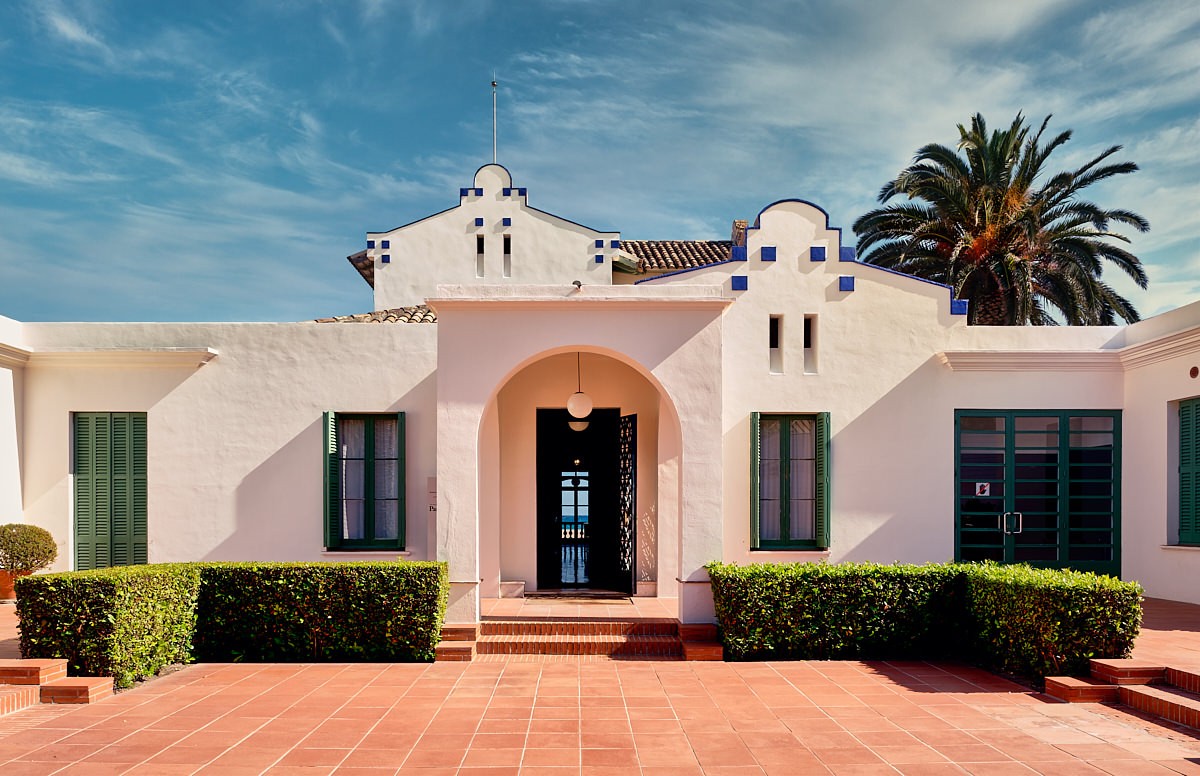
Nestled along the serene Sant Salvador beach in El Vendrell, Spain, the Vil·la Casals-Museu Pau Casals isn’t merely a museum; it's an immersive journey into the life and legacy of one of the 20th century’s most revered cellists. More than just a repository of artifacts, this UNESCO World Heritage site offers a profound connection to Pablo Casals – his artistic spirit, his unwavering commitment to peace, and the very landscape that shaped him. The villa itself, designed by the architect Francisco Solà Gené in 1910, represents a harmonious blend of Catalan Noucentisme architecture and the natural beauty of its coastal setting. Its construction began as a modest summer residence, evolving over decades into the magnificent estate we see today – a testament to Casals’ enduring vision and his deep connection to his birthplace. The building's design reflects a deliberate integration with the environment, utilizing local materials like stone and wood, and embracing the panoramic views of the Mediterranean Sea, creating an atmosphere of tranquility and inspiration; it feels less like a museum and more like stepping into the heart of Casals’ creative world.
-
Architectural Significance:
Solà Gené's design is characterized by its clean lines, geometric forms, and careful attention to detail, embodying the principles of Catalan Noucentisme – a movement emphasizing rationalism, functionality, and a return to classical values. The villa’s layout subtly mirrors the curves of the coastline, creating a sense of harmony between man-made structure and the natural world.
-
The Garden as an Extension:
The villa's expansive garden, meticulously curated over decades, isn’t simply decorative; it’s integral to Casals’ creative process. Sculptures by prominent Catalan artists – figures like Joaquim Mir and Antoni Tàpies – are strategically placed throughout the grounds, creating a dialogue between art and nature. These aren’t just additions; they're carefully considered companions to the landscape, reflecting themes of introspection and beauty that resonated deeply with Casals.
-
A Reflection of the Artist’s Soul:
Every room within the villa whispers stories of Casals' life – from his childhood memories in El Vendrell to his groundbreaking musical interpretations across Europe and beyond. The carefully preserved furnishings, personal effects, and original scores offer intimate glimpses into the mind of a genius; you can almost hear the echoes of his bow on the strings as you wander through the rooms.
The Heart of the Collection: Art, Music, and Personal Treasures
At the heart of the Vil·la Casals-Museu lies a remarkably diverse collection that transcends the boundaries of traditional museum displays. It’s not simply a collection *of* Pablo Casals; it's a reflection *of* him – his passions, his influences, and his profound understanding of beauty in all its forms. The museum showcases a significant assemblage of paintings by Francesc Pla, known as “El Vigatà,” a prominent Catalan artist whose works capture the essence of the region’s landscape and culture. These pieces weren't merely decorative additions; Casals actively sought them out, recognizing their artistic merit and their connection to his homeland – particularly the evocative depictions of the Catalan coast, mirroring the serene beauty that inspired him throughout his life.
-
Pla’s Landscapes:
The paintings by Pla offer a stunning visual narrative of the Catalan coast, mirroring the serene beauty that inspired Casals throughout his life. His use of light and color perfectly captures the shifting moods of the Mediterranean Sea, evoking a sense of both melancholy and profound peace.
-
Sculptures and Ceramics:
A notable collection of sculptures and ceramics, primarily by local artists – including works by Josep Clarà and Lluís Domènech i Montaner – adds another layer to the museum's artistic tapestry. These pieces reflect the regional identity and traditions that resonated deeply with Casals, showcasing a vibrant blend of Catalan craftsmanship and artistic expression.
-
Musical Instruments & Scores:
Beyond paintings, the museum houses a remarkable array of musical instruments – including several cellos, some dating back to the late 18th century – alongside original scores and manuscripts from Casals’ extensive repertoire. These items provide invaluable insight into his playing style and compositional techniques; you can almost feel the weight of history as you examine these treasured artifacts.
A Legacy Forged in Peace: The Foundation's Mission
The Pau Casals Foundation, established by the cellist and his wife, Marta Montañez, plays a crucial role in preserving and disseminating Casals’ legacy. Born from a desire to safeguard the villa and its collection, the foundation has evolved into a dynamic cultural institution dedicated to promoting peace, social responsibility, and human rights – values that were central to Casals' life and work. The foundation actively engages with local communities through educational programs, concerts, and exhibitions, ensuring that Casals’ message of harmony and understanding continues to resonate across generations. The foundation isn’t just a caretaker; it’s an active participant in fostering the ideals Casals championed throughout his extraordinary career.
-
Educational Programs:
Targeted at schools and families, these programs introduce visitors to Casals' life, music, and philosophy in an engaging and accessible manner – often incorporating interactive elements and musical performances for children.
-
Concerts & Performances:
Regular concerts featuring cello performances – often by renowned cellists – bring the spirit of Casals’ artistry to life, creating a truly immersive experience for music lovers.
-
Exhibitions & Events:
The museum hosts a variety of exhibitions and events that explore different facets of Casals' life and work, from his musical innovations to his humanitarian efforts, offering fresh perspectives on this iconic figure.
Visiting Today: A Transformative Experience
Today, the Vil·la Casals-Museu Pau Casals stands as a testament to the enduring power of art, music, and human connection. The ongoing restoration project, supported by the Government of Catalonia and the Tarragona Provincial Council, promises to further enhance the visitor experience, ensuring that this remarkable space remains a vibrant center for cultural preservation and artistic inspiration. A visit here is more than just sightseeing; it’s an opportunity to step into the world of Pablo Casals, to contemplate his profound legacy, and to be moved by the beauty he so passionately championed. The museum's commitment to accessibility, combined with its rich collection and engaging programs, makes it a must-see destination for art lovers, music enthusiasts, and anyone seeking a deeper understanding of this extraordinary artist and his impact on the world. The tranquil setting, coupled with the thoughtfully curated exhibits, creates an atmosphere that is both intellectually stimulating and emotionally resonant – a truly transformative experience for all who visit.