The Canvas of History: Unveiling Mexico's Muralist Movement
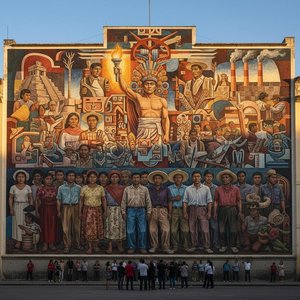
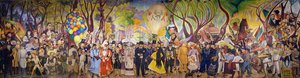
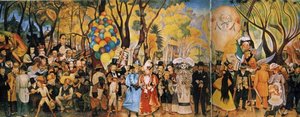
To step into the world of Mexican art is to enter a living dialogue between the past and the present, a conversation etched onto the very walls that define the nation’s urban landscapes. The muralist movement, perhaps the most profound artistic revolution of the twentieth century, transformed public spaces into open-air galleries of political and social consciousness. This was not art meant for the quiet, cloistered halls of elite salons; it was an art designed to breathe alongside the people, to educate the illiterate, and to instill a sense of shared destiny. Through massive, sweeping compositions, artists sought to reclaim the narrative of a nation emerging from the shadows of colonial rule into the light of modern identity.
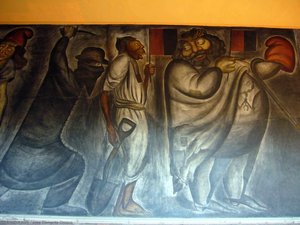
The movement found its most potent expression in the monumental works that decorate civic buildings, where every brushstroke serves as a testament to resilience. These murals do more than merely decorate; they act as historical anchors, grounding the viewer in the struggles and triumphs of the Mexican people. As one wanders through these storied corridors, the sheer scale of the work demands an emotional response, pulling the observer into a grander saga of movement, labor, and the relentless pursuit of justice. It is a visual epic that remains as vital today as it was during its inception, bridging the gap between historical struggle and contemporary pride.
Symbolism and Spirit: The Language of Folk Art and Indigenous Roots
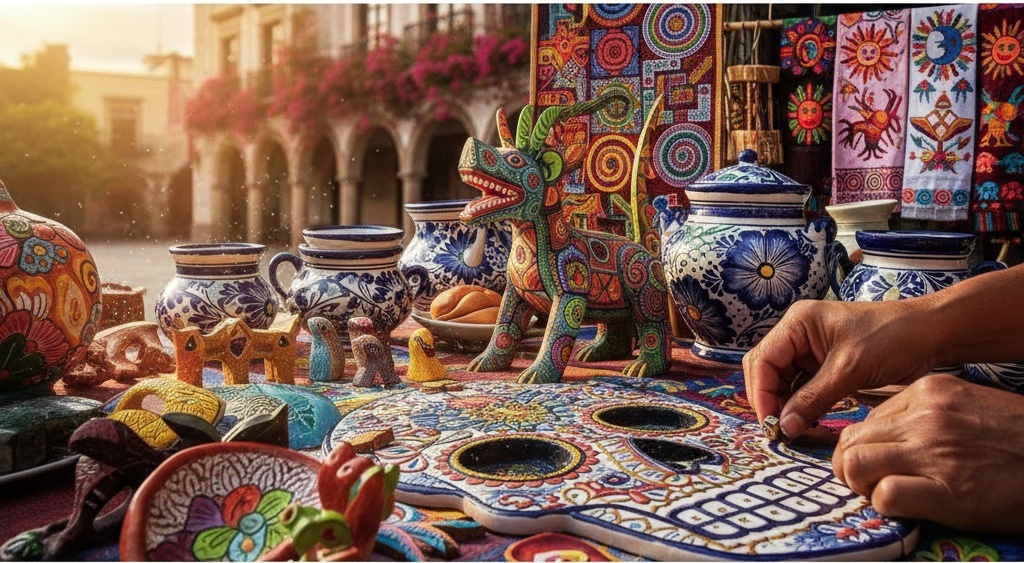
Beneath the grand political narratives of the muralists lies a deeper, more ancient layer of meaning—the vibrant pulse of Mexican folk art. This tradition is a tapestry woven from indigenous cosmologies, where every color and pattern carries a sacred weight. In the intricate designs of traditional textiles and the spirited forms of pottery, one finds a language of symbolism that predates European contact. Here, the sun, the jaguar, and the maize are not merely decorative motifs but are profound symbols of life, fertility, and the cyclical nature of existence.
This spiritual lineage provides the soul for much of Mexico's visual identity. The use of bright, saturated hues—deep magentas, brilliant ochres, and lush emerald greens—reflects a connection to the natural world that is both visceral and divine. When we observe these folk traditions, we are witnessing a preservation of memory; each piece of art acts as a vessel for ancestral wisdom. This intersection of the sacred and the everyday creates an aesthetic experience that is uniquely Mexican, where the boundary between the earthly realm and the spiritual plane is perpetually blurred through the medium of color and form.
Revolutionary Strokes: Social Commentary in the Works of Orozco and Rivera
No exploration of this artistic soul would be complete without confronting the heavy, transformative presence of the "Big Three" muralists, specifically the contrasting yet complementary visions of Diego Rivera and José Clemente Orozco. Rivera’s work often serves as a celebratory epic; his compositions are dense with life, celebrating the dignity of labor and the richness of indigenous heritage. In works like his untitled portraits, one can sense a rhythmic, almost musical quality to his use of form, where the figures of the working class are elevated to the status of icons, draped in the vibrant colors of the Mexican earth.
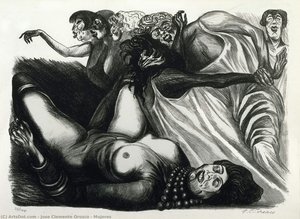
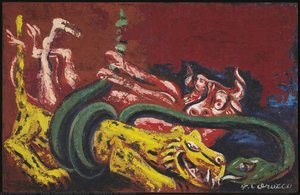
In stark contrast stands the brooding, visceral intensity of Orozco. While Rivera might celebrate the promise of revolution, Orozco often captures its tragic, human cost. His "Mexican Landscape" and other monumental works utilize a more somber, dramatic palette to explore themes of suffering, destruction, and the cyclical nature of human conflict. Where Rivera uses light to illuminate progress, Orozco uses shadow to provoke introspection. Together, these masters create a dialectic of history—one providing the hope of a new era, the other providing the necessary, painful critique of the human condition. Their brushes did not just paint scenes; they sculpted the conscience of a nation.
A Palette of Identity: Exploring Color, Texture, and Cultural Pride
The aesthetic power of Mexican art is fundamentally rooted in its sensory richness. It is an art of texture and intensity, where the tactile quality of the medium often mirrors the ruggedness and beauty of the landscape itself. The use of impasto techniques and heavy, layered pigments creates a three-dimensional experience that invites the viewer to feel the weight of the history being depicted. This is not a subtle aesthetic; it is an assertive one, demanding recognition through its unapologetic use of high-contrast palettes and bold, definitive outlines.
This mastery of color serves as a primary vehicle for cultural pride. The ability to manipulate light and shade to evoke the heat of the midday sun or the cool shadows of a jungle canopy allows the artist to recreate the very atmosphere of Mexico. This visual language fosters a sense of belonging, as the colors used in the art are the same colors found in the flowers, the earth, and the traditional dress of the people. Through this careful orchestration of pigment and texture, Mexican art transcends mere representation, becoming an immersive environment that celebrates a resilient and multifaceted identity.
Modern Echoes: The Enduring Influence of Mexican Aesthetics on Global Art
The legacy of these vibrant traditions continues to ripple across the global art stage, influencing contemporary movements from Chicano muralism in the United States to modern street art worldwide. The spirit of Guillermo Aranda’s historical murals in Chicano Park, for instance, demonstrates how the techniques of the Mexican masters have been adapted to celebrate local community pride and contemporary social struggles. The DNA of Rivera and Orozco lives on in any art that uses scale and symbolism to advocate for the marginalized and to honor the heritage of a community.
Today, we see this influence in the way modern artists approach identity, using the bold color palettes and narrative depth pioneered by their predecessors to navigate the complexities of a globalized world. The journey through the soul of Mexican art is not a closed chapter of history; it is an ongoing evolution. As long as there is a need for art to serve as a mirror to society and a window into the spirit, the profound lessons of Mexican color, texture, and revolutionary passion will continue to inspire collectors and creators alike, ensuring that these vibrant traditions remain eternally relevant.
At Mus3ums.com, we celebrate this enduring legacy by bringing the world's most profound artistic movements into your personal space. Whether you are drawn to the monumental scale of a mural-inspired piece or the intimate symbolism of folk-inspired textures, our mission is to preserve and share the beauty of human creativity through meticulous, hand-painted reproductions and museum-quality prints that honor the masters of history.