


A Legacy of Light: Exploring the Art Institute of Chicago
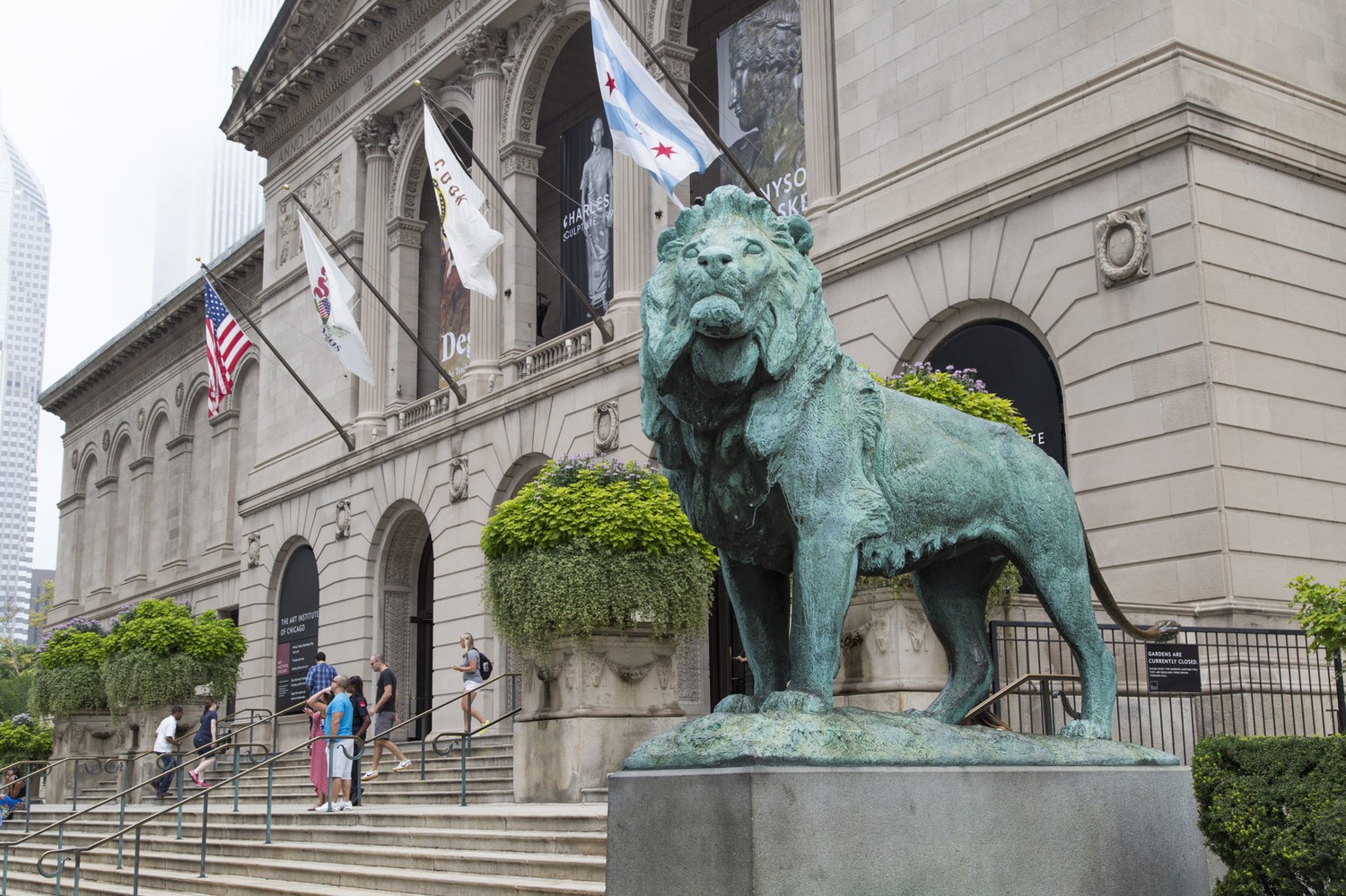
Nestled within the vibrant heart of Chicago’s Grant Park stands the Art Institute of Chicago – a monumental institution and a profound testament to the enduring power of artistic vision. Founded in 1879, it's more than just a museum; it’s a living chronicle of human creativity, meticulously curated across nearly 300,000 works spanning continents and centuries. From its modest beginnings as an academy fostering local talent, the Institute has evolved into a global destination, inviting visitors on an intimate journey through pivotal moments in art history – a journey that begins with the very stones whispering tales of ambition and transformation, echoing the spirit of the 1893 World’s Columbian Exposition. The building itself is a masterpiece, a Beaux-Arts behemoth designed to inspire awe, while within its walls resides a collection so vast and diverse it feels like stepping through time and across cultures.
Impressionist & Post-Impressionist Treasures
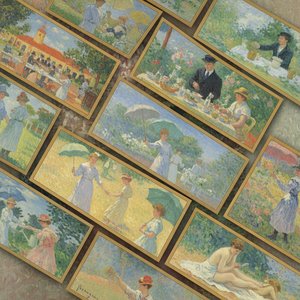
The Art Institute’s dedication to breadth is further evident in its exceptional collections of Impressionist and Post-Impressionist paintings. Claude Monet’s serene “Floden,” capturing the dappled light of a riverside scene, evokes a sense of tranquility and invites viewers to lose themselves in the play of color and light – a quintessential example of Monet's mastery of capturing fleeting moments. Nearby, Pablo Picasso’s haunting *The Old Guitarist*, rendered in the somber hues of his Blue Period, offers a poignant glimpse into human suffering and resilience, a testament to the artist's ability to distill profound emotion onto canvas. Edward Hopper's starkly realistic *Nighthawks* continues to resonate deeply with contemporary audiences, capturing the quiet isolation of urban existence – a scene that feels both timeless and acutely relevant today, inviting contemplation on the solitary nature of modern life. These iconic works are just the beginning; the Institute’s collection is a treasure trove of artistic expression.
Beyond Western Masters: A Global Perspective
While renowned for its European art, the Art Institute’s collection extends far beyond traditional Western masters. It boasts exceptional collections of Asian art, reflecting centuries of artistic tradition from China, Japan, Korea, and Southeast Asia. These works offer a profound contrast to the Western canon, highlighting diverse aesthetic values and cultural perspectives – from intricate porcelain vases to monumental Buddhist sculptures, they represent a rich tapestry of artistic achievement. The collection’s breadth demonstrates the museum's commitment to showcasing global art history and fostering cross-cultural understanding. The influence of artists like Gladys M Nilsson, known for her whimsical watercolor scenes filled with intricate patterns and quirky figures, is also deeply felt within the collection – a testament to the Institute’s dedication to nurturing local talent and celebrating Chicago’s vibrant artistic community.
Architectural Grandeur: A Building That Speaks
The Institute’s physical structure is as much a work of art as any painting within its walls. Originally conceived for the 1893 World’s Columbian Exposition, the central building embodies the grandeur of Beaux-Arts design – an imposing façade and a monumental staircase designed to inspire awe. However, the Institute hasn't rested on its laurels; it has continually evolved, seamlessly integrating modern aesthetics while honoring its original vision. The most striking addition is undoubtedly the Modern Wing, a breathtaking architectural marvel designed by Renzo Piano, which opened in 2009. This soaring structure, characterized by its dramatic glass forms and dynamic spatial arrangements, not only provides a stunning backdrop for contemporary art but also dramatically enhances the visitor experience with an abundance of natural light and panoramic views overlooking Millennium Park – creating a truly unique atmosphere where old and new converge.
Voices Through Time: Notable Exhibitions and Artistic Voices
The Art Institute’s commitment to showcasing artistic diversity extends beyond its permanent collection through a dynamic program of exhibitions. Recent years have seen compelling explorations of individual artists, such as the captivating work of Eva-Amarantha Webster, whose landscapes and portraits evoke a sense of timeless beauty and influence, drawing inspiration from Impressionism. Chester Weinberg's pioneering designs for American fashion – particularly his embrace of bold prints and the midi skirt – offer a fascinating glimpse into the evolution of 20th-century style. And exploring works like René Magritte’s “Time Transfixed” reveals the surrealist fascination with perception and reality, a testament to the museum’s ability to present challenging and thought-provoking exhibitions. The influence of artists like Gladys M Nilsson, known for her whimsical watercolor scenes filled with intricate patterns and quirky figures, is also deeply felt within the collection – a testament to the Institute’s commitment to nurturing local talent and celebrating Chicago’s vibrant artistic community.