


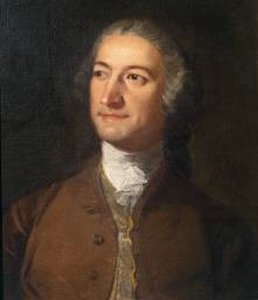

Origins and History of the Museum
The Musée Comtadin-Duplessis exists as a municipal institution in Carpentras, France. Its current identity emerged from the union of two distinct municipal museums. One part of this institution, the Musée Comtadin, was founded in 1913 to preserve the history and traditions of the Comtat Venaissin. The other component, the Musée Duplessis, takes its name from the painter Joseph Siffrein Duplessis. This museum is recognized as a Musée de France.
The collections held within these walls have undergone significant transitions. Much of the museum's holdings were transferred to the Bibliothèque Inguimbertine. This movement reflects the evolving organization of the city's cultural assets. The institution remains a central point for the study of local history and fine arts through its integrated collections.
The Architecture and the Building
Located at 234 boulevard Albin Durand in Carpentras, France, the museum occupies a structure that has defined the local landscape since its inauguration in 1888. The building was realized through the private funding of Antoine Eysséric and Casimir Pascal. Its design follows the architectural principles established by Jean Camille Formigé, who shaped the edifice to accommodate both educational and aesthetic purposes. The layout was intentionally divided to serve the community's needs, separating practical instruction from the contemplation of art.
The original configuration of the building established a clear hierarchy between its levels. The ground floor was designated for the municipal drawing school, a space dedicated to the study and practice of form. Above this, the first floor was reserved for the fine arts collections, providing a quiet environment for the observation of paintings and objects. This vertical separation allowed the institution to function as both a place of learning and a repository for visual culture.
The architecture remains a significant presence in the city, reflecting the late 19th-century approach to public institutions. The structure's permanence is felt in the heavy, deliberate construction required to support the weight of the collections housed within its walls. The building's history is tied to the evolution of the local urban fabric, transitioning from a site of active instruction to a dedicated space for the preservation of art.
The Fine Arts Collection
The fine arts collection spans a broad chronological range, containing paintings from the 16th century through to the early 20th century. Much of this assembly originated from the private cabinet of Dom Malachie d'Inguimbert, the Bishop of Carpentras. These works reflect a long-standing tradition of collecting, bringing together diverse styles and periods within the museum's walls.
The presence of the Provençal Primitives school provides a foundation for the collection, grounding the assembly in local artistic history. Alongside these earlier works, the museum holds pieces by Nicolas Dipre and Pierre Parrocel. The maritime and landscape traditions are represented by the works of Joseph Vernet, while Jules Laurens contributes to the later layers of the collection.
Portraiture remains a significant element of the holdings. Among the figures captured on canvas is a portrait attributed to Hyacinthe Rigaud. The collection also includes several notable works that reflect the shifting aesthetics of different eras:
- Night Fire, about 1735 - Joseph Vernet
- The Storm, about 1735 - Joseph Vernet
- Calm, about 1735 - Joseph Vernet
- Moonlight, about 1753 - Joseph Vernet
- Rest on the bank of a brook, about 1750 - Francesco Zuccarelli
History and Popular Traditions Collection
The Musée Comtadin focuses on the history and popular traditions of the Comtat Venaissin. The collection gathers objects that reflect the daily life and customs of this specific region. Among these are various seals and medals that trace the history of the enclave pontificale between 1229 and 1791. These small, detailed items offer a tangible connection to the administrative and social structures of the past.
The museum also preserves the material culture of the local population through a variety of domestic and ceremonial objects. Headdresses and Provençal nativity scenes are held within the collection, providing insight into regional dress and religious customs. The presence of weights and measures further illustrates the practicalities of commerce and trade in the area. An exceptional collection of bells is also housed here, adding a significant dimension to the study of local material history.
Exhibitions and Research
The Inguimbertine hosts the Graphimix exhibition, a presentation that contributes to the ongoing dialogue between the institution's collections and contemporary perspectives. Such programming allows for a continuous re-examination of the objects held within the walls of the Hôtel-Dieu, ensuring the space remains a site of active study and visual encounter.
From June 14 to September 28, 2025, the Inguimbertine at the Hôtel-Dieu will host a significant exhibition titled Duplessis (1725-1802) - L’art de peindre la vie. This gathering of works focuses on the portraiture of the artist, bringing together approximately sixty pieces from prestigious international collections. The presence of these works allows for a direct study of the techniques used to capture the likenesses of the 18th century.
The research conducted within these spaces often links the written word with the visual image, a method rooted in the original intentions of the library-museum. By examining the intersection of these mediums, the institution maintains its focus on the historical and artistic layers of the Comtat Venaissin. The upcoming retrospective of Duplessis's work provides a specific opportunity to observe the precision of his portraiture in a setting that honors the history of the region.
Recent Projects and Relocation
The museum underwent a significant transformation when the municipality launched a vast project to transfer the bibliographic and museum collections to the Hôtel-Dieu de Carpentras. This relocation was designed to integrate the various holdings into a single, cohesive space. The movement of these collections sought to offer a new range of services and to reach a more diverse audience through a more modern presentation of the holdings.
Following a period of restoration in 2008, the museum reopened to the public in May 2009. This reopening marked a new chapter for the institution within the historic walls of the Hôtel-Dieu. The transition from the previous museum structure to this new setting allowed for a reorganization of the various collections, ensuring that the historical and artistic assets of the region are preserved within a revitalized environment.


