
A Sacred Journey Through the Sicilian Soul
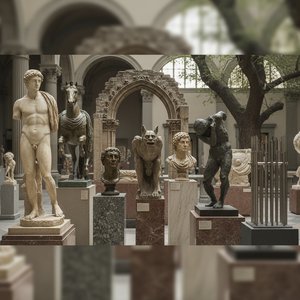
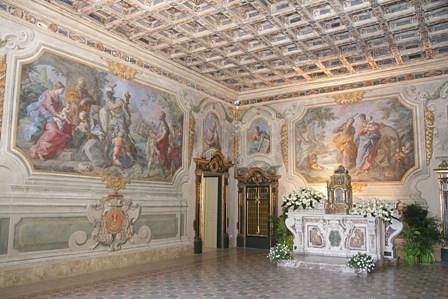
Nestled within the imposing grandeur of the Palazzo Arcivescovile, directly facing the majestic Palermo Cathedral, the Museo Diocesano offers far more than a mere survey of religious artifacts; it provides an intimate encounter with the very heartbeat of Sicilian identity. As visitors wander through its meticulously arranged rooms, they are not simply observing relics of the past but are instead stepping into a living narrative that spans from the Norman and Swabian eras through the exuberant heights of the Baroque. The museum serves as a luminous chronicle of faith, where the boundaries between art, architecture, and devotion blur into a single, immersive experience. Every gilded frame and marble relief whispers stories of centuries-old devotion, transforming this historic palace into a sanctuary of spiritual heritage.
The architectural setting itself acts as a magnificent canvas for the treasures within. The Palazzo Arcivescovile provides a rhythmic movement through time, guiding the observer from the austere beauty of Romanesque forms into the ornate complexity of the Renaissance and Baroque periods. This structural dialogue between the museum’s interior and the city's skyline is further enriched by architectural fragments salvaged from the Palermo Cathedral, which are reintegrated here with such care that they illuminate the cathedral's own monumental history.
Masterpieces of Devotion and Decorative Excellence
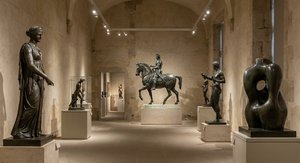
The collection is a breathtaking tapestry of European influence, woven with the distinct threads of Byzantine tradition and Italian mastery. For the discerning eye, the museum offers a profound study in texture and light, ranging from the somber weight of medieval wooden crosses to the ethereal glow of the Madonna of the Pearl . The halls are particularly captivating for those drawn to the unparalleled sculptural works of the Gagini family , whose Renaissance precision breathes life into stone, most notably in the evocative Scenes from the Lives and Martyrdoms of Saint Christina and Saint Nympha .
Beyond sculpture, the museum presents a diverse array of treasures that serve as an unparalleled masterclass in period aesthetics:
- Intricate Stuccoes: The delicate, expressive works of Giacomo Serpotta exemplify the theatrical brilliance and ornamental complexity of the Sicilian Baroque.
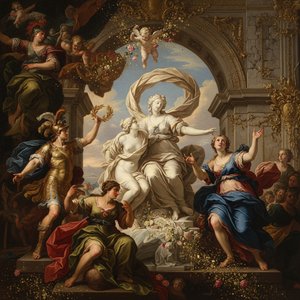
- Sacred Paintings: Rare gold-ground paintings and frescoes, such as the Madonna dell'Itria , showcase the evolution of devotional imagery.
- Rare Parchments: Delicate manuscript works that highlight the intersection of literacy and liturgy.
- Ecclesiastical Relics: A collection of precious objects and marble reliefs that reflect the liturgical splendor of the Archdiocese.
For art lovers and interior designers alike, the interplay of light on ancient marble and the deep pigments of historical frescoes provides endless inspiration. To visit the Museo Diocesano is to embark on a pilgrimage through Palermo’s captivating past, leaving one with a lingering sense of the sacred and the sublime.