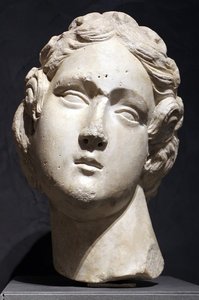

A Sanctuary of Neapolitan Spirit
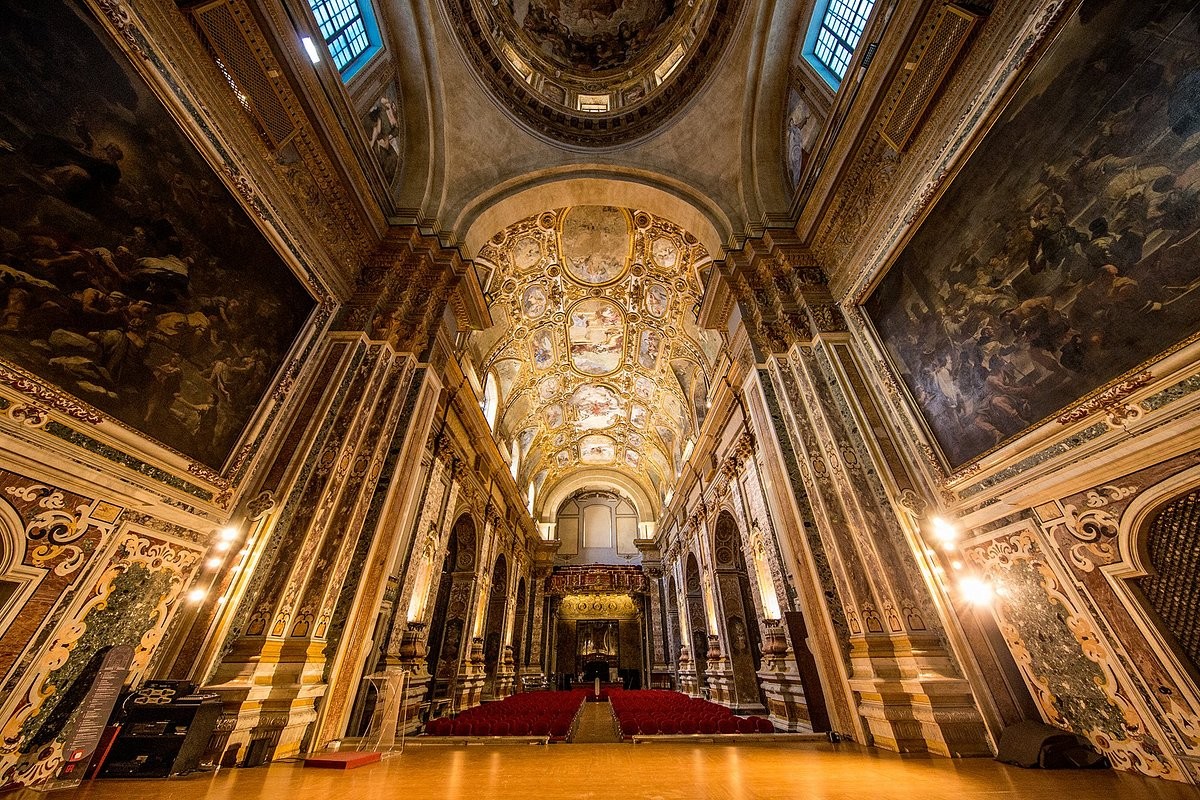
Nestled within the ancient, sun-drenched heart of Naples, where the echoes of Roman theaters meet the whispers of Benedictine prayers, lies the Museo Diocesano di Napoli. This is far more than a mere repository for sacred relics; it is a living chronicle of a city that has always existed at the crossroads of civilizations. The museum’s origins trace back to a modest 13th-century chapel dedicated to Saint Placida, once a quiet oratory for the nuns of the Benedictine order. As centuries passed, this humble space absorbed the devotion and the artistry of the region, evolving from a small sanctuary into a formal museum in 1763. To walk through its halls is to traverse the very layers of Neapolitan identity, feeling the weight of history in every stone and the light of faith in every gilded surface.A Journey Through Light and Shadow
The collection within these walls offers a breathtaking odyssey through the evolution of Southern Italian art, presenting a visual tapestry that is as much about emotion as it is about technique. One begins amidst the shimmering fragments of early medieval mosaics, where the profound influence of Byzantine tradition is palpable in the serene faces of Christ Pantocrator and the luminous saints. As the narrative shifts toward the Renaissance, the museum reveals the delicate, fragmented grandeur of Giambattista Tiepolo’s frescoes, reminding us of the opulent patronage that once defined the Bourbon court.However, it is in the Baroque era that the museum truly finds its dramatic pulse. The works of Luca Giordano and Mattia Preti command the space with an almost theatrical intensity; their mastery of tenebrism —the stark, emotional interplay between deep shadow and piercing light—captures the very essence of Neapolitan drama. For the collector or interior designer, these pieces are more than mere decorations; they are profound studies in movement, color, and the ability of a single brushstroke to evoke the divine. The museum’s treasures include:
- Sacred Reliquaries: Intricate vessels that embody the intersection of craftsmanship and devotion.
- Liturgical Vestments: Textiles that showcase the rich, tactile history of Neapolitan embroidery.
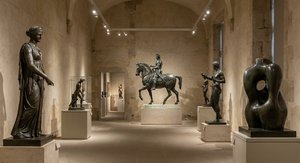
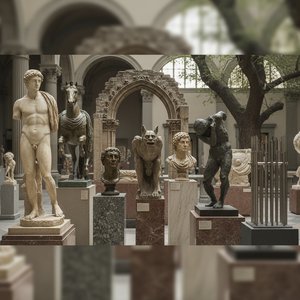
- Masterful Sculptures: Works that exemplify the Baroque penchant for emotional intensity and physical dynamism.