
The History and Origins of Kreeger Museum
The Kreeger Museum resides at 2401 Foxhall Rd NW, Washington, DC 20007, United States. Located within the Palisades neighborhood of DC, the site was originally the private home of David Lloyd Kreeger and Carmen Kreeger. The transition from a private residence to a public institution occurred when the museum was established in 1994.
The history of the site is tied to the personal lives of the Kreegers. What was once a domestic space has become a place for the observation of 19th and 20th-century painting and sculpture. The institution maintains a focus on the Modernist, Impressionist, and Expressionist schools, alongside African and Asian art. The presence of these works within a former home provides a specific context for the collection.
Architecture and the Surrounding Grounds
The museum occupies a low slung building of elegant, off white stone, situated on five and a half wooded acres in the Palisades neighborhood of Washington, D.C. Designed in 1963 by Philip Johnson and Richard Foster, the structure maintains a quiet presence within its landscape. The architecture is characterized by its integration with the natural environment, utilizing elaborate wooden walking paths that guide movement through the site. The Pritzker Prize winning architect’s influence is felt in the way the building sits low against the terrain, respecting the scale of the surrounding trees.
The experience of the site extends beyond the interior walls into an open setting. A sculpture garden expands the exhibition into the exterior, allowing art to exist in conversation with the elements. Within these grounds, the Sculpture Terrace and the reflecting pool terrace are named Inventions. These spaces offer a transition between the controlled environments of the galleries and the unmanicured wooded expanse of the property.
The Permanent Art Collections
The collection focuses on 19th and 20th-century painting and sculpture. These works represent the Impressionist, Modernist, and Expressionist schools. The presence of these movements allows for a quiet study of shifting light and form. Alongside these European traditions, the museum houses outstanding examples of African and Asian art. Southeast Asian sculptures are also part of the permanent holdings.
The art extends beyond the interior walls into the sculpture garden. Here, the outdoor setting accommodates works by Rainer Lagemann and George Rickey. These pieces interact with the surrounding wooded expanse and the light of the Palisades neighborhood. The arrangement of sculpture on the terrace and near the reflecting pool creates a dialogue between the built environment and the natural landscape.
- Vase with Zinnias, about 1886
- Springtime at Giverny, 1886
- The Dark Blue Vase, III, 1880
- Man on the Veranda, 1886
- The Pointe du Petit Ailly in Gray Weather, 1897
- Flowers in a Copper Bowl, 1875
Masterpieces of the Museum Collection
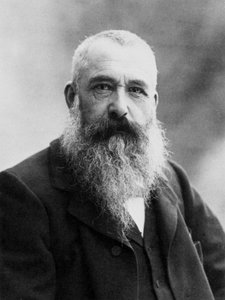
The collection offers a profound encounter with the Impressionist movement, anchored by nine paintings by Claude Monet. These works exist alongside the presence of Alfred Sisley and the delicate compositions of Camille Pissarro. The weight of the nineteenth century is felt through the canvases of Paul Cézanne and the floral studies of Adolphe Joseph Thomas Monticelli. There is a quiet gravity in the works of Edgar Degas and the structured forms of Pierre-Auguste Renoir.
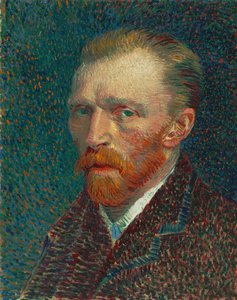
Moving into the turn of the century, the museum holds significant pieces by Vincent van Gogh, including his studies of flowers. The emotional depth of Edvard Munch finds its place here, providing a counterpoint to the more structured arrangements of the earlier era. The collection also encompasses the influential output of Pablo Picasso and Joan Miró, marking the transition into modernism. These paintings reside within a space that prioritizes the physical presence of the artist's hand.